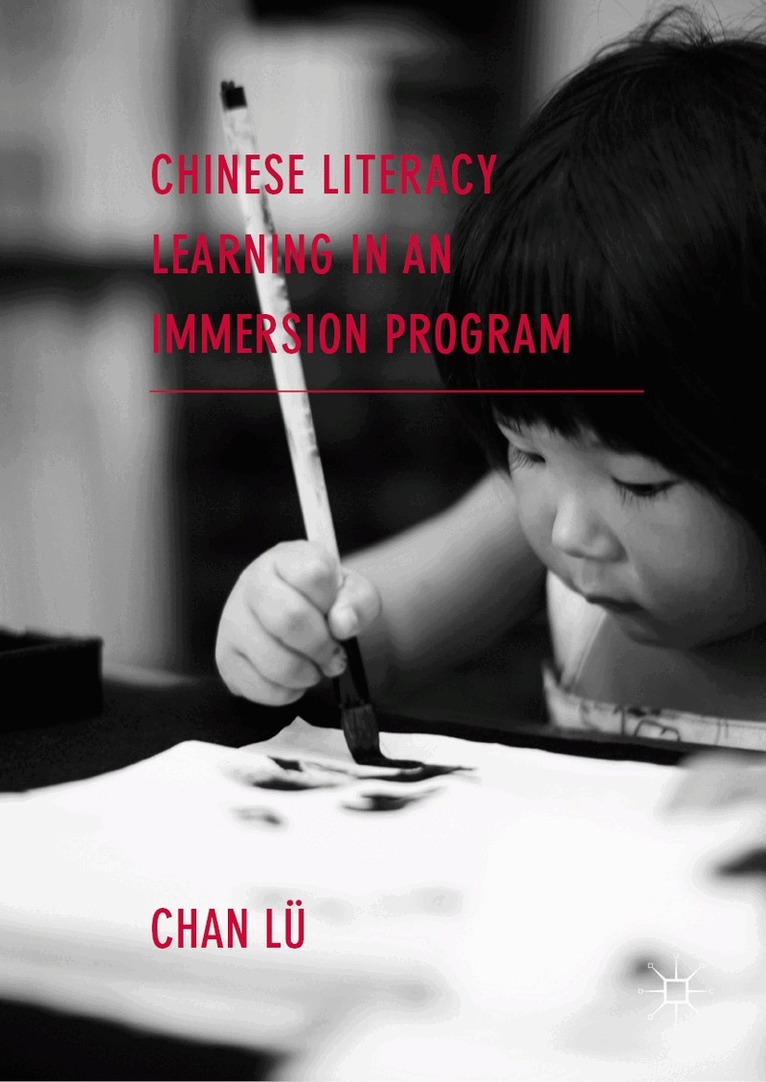
This book examines one-way foreign language immersion education in the United States. It provides a clear and rich description of a Chinese (Mandarin) immersion program, its curriculum, instructional materials, assessment activities, parental involvement and student outcomes. The author analyses two studies that document the development of the students’ reading skills in English and Chinese, and the progress of their vocabulary knowledge, lexical inference, and reading comprehension in Chinese. In addition, this book contextualizes the program in its eco-system, including its neighbourhood, school, and the school district, and discusses the importance of school leadership, parental involvement, neighbourhood support and language acquisition planning in making an innovative school program successful. Its concluding chapters offer recommendations for program- and classroom-level practices and suggest pathways for future research on biliteracy learning in Chinese one-way immersion programs. This book will appeal in particular to students and scholars of applied linguistics, second language acquisition and language education.
This book examines one-way foreign language immersion education in the United States. It provides a clear and rich description of a Chinese (Mandarin) immersion program, its curriculum, instructional materials, assessment activities, parental involvement and student outcomes. The author analyses two studies that document the development of the students’ reading skills in English and Chinese, and the progress of their vocabulary knowledge, lexical inference, and reading comprehension in Chinese. In addition, this book contextualizes the program in its eco-system, including its neighbourhood, school, and the school district, and discusses the importance of school leadership, parental involvement, neighbourhood support and language acquisition planning in making an innovative school program successful. Its concluding chapters offer recommendations for program- and classroom-level practices and suggest pathways for future research on biliteracy learning in Chinese one-way immersion programs. This book will appeal in particular to students and scholars of applied linguistics, second language acquisition and language education.
This book celebrates the remarkable contributions of Dr Keiko Koda, a leader in second language (L2) acquisition and reading development, who retired from Carnegie Mellon University in 2024. The chapters in this volume explore recent theoretical developments and practical applications in L2 reading research from a cross-linguistic perspective. The book addresses a wide range of issues in L2 reading among diverse learner populations, including young multilingual learners from both low- and middle-income countries and post-industrial nations. It also focuses on various types of learners in different educational settings worldwide, such as foreign language learners, heritage language learners, and dual language learners. Topics covered include meta-analyses, innovative applications of theory in pedagogy, and the design of assessment tools. Collectively, these contributions have the potential to significantly advance both theoretical frameworks and practical approaches in the field. This book is useful for researchers, educators, graduate students, and multilingual education specialists interested in theoretical and practical advancements in second language reading and cross-linguistic transfer.