701 kr
Skickas inom 10-15 vardagar
701 kr
Skickas inom 10-15 vardagar
3 929 kr
Skickas inom 10-15 vardagar
807 kr
Läs direkt efter köp
LingüÃstica de corpus en español/The Routledge Handbook of Spanish Corpus Linguistics muestra el modo en que ha cambiado el panorama de la denominada lingüÃstica de corpus en español y cómo en la actualidad ha llegado a concitar un espacio disciplinar independiente, y, al mismo tiempo, integrar estos conocimientos en cualquier programa de estudios, investigación o diseño curricular en educación superior.
Este volumen lo componen 36 capÃtulos que ofrecen un panorama amplio, diverso y comprehensivo de los avances en lingüÃstica de corpus de y en español, abarcando un vasto repertorio de conceptos esenciales y de aspectos teóricos y metodológicos desde una conceptualización de la lingüÃstica contemporánea tanto inter como transdisciplinaria.
Los ámbitos que se cubren no son ni estancos, ni definitivos, ni, mucho menos, los únicos. Son perfectamente susceptibles de revisión, de mejora y/o de cambio. El objetivo último de esta obra no es el limitar o fijar, sino todo lo contrario, es el de motivar y provocar a los lectores y lectoras para que no cesen las avenidas de propuestas innovadoras en el ámbito de la lingüÃstica de corpus del español y seguir asà profundizando en el conocimiento de esta lengua.
LingüÃstica de corpus en español / The Routledge Handbook of Spanish Corpus Linguistics shows how the landscape of corpus linguistics in Spanish has changed and how it has become an independent discipline while incorporating this knowledge into any syllabus, research or curriculum design in higher education.
This volume comprises 36 chapters that provide a broad, diverse and comprehensive overview of advances in corpus linguistics of and in Spanish, covering a vast repertoire of essential concepts as well as theoretical and methodological aspects from a conceptualization of contemporary linguistics that is both inter- and transdisciplinary.
The fields covered are not definitive, or even the only ones. They are entirely open to revision, improvement and/or change. The goal of this work is not to fix or limit these topics. On the contrary, it is intended to motivate and provoke the readers to continue exploring new avenues of innovative proposals in the field of Spanish corpus linguistics and thus deepen their knowledge of this language.
819 kr
Läs direkt efter köp
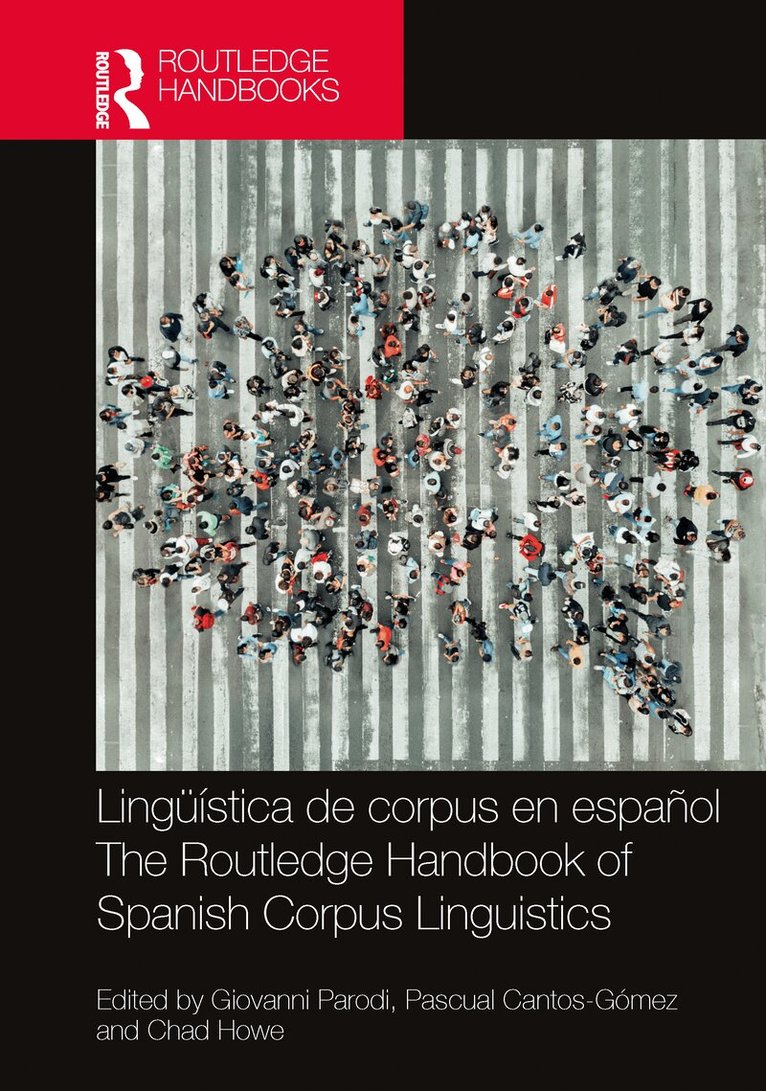
LingüÃstica de corpus en español/The Routledge Handbook of Spanish Corpus Linguistics muestra el modo en que ha cambiado el panorama de la denominada lingüÃstica de corpus en español y cómo en la actualidad ha llegado a concitar un espacio disciplinar independiente, y, al mismo tiempo, integrar estos conocimientos en cualquier programa de estudios, investigación o diseño curricular en educación superior.
Este volumen lo componen 36 capÃtulos que ofrecen un panorama amplio, diverso y comprehensivo de los avances en lingüÃstica de corpus de y en español, abarcando un vasto repertorio de conceptos esenciales y de aspectos teóricos y metodológicos desde una conceptualización de la lingüÃstica contemporánea tanto inter como transdisciplinaria.
Los ámbitos que se cubren no son ni estancos, ni definitivos, ni, mucho menos, los únicos. Son perfectamente susceptibles de revisión, de mejora y/o de cambio. El objetivo último de esta obra no es el limitar o fijar, sino todo lo contrario, es el de motivar y provocar a los lectores y lectoras para que no cesen las avenidas de propuestas innovadoras en el ámbito de la lingüÃstica de corpus del español y seguir asà profundizando en el conocimiento de esta lengua.
LingüÃstica de corpus en español / The Routledge Handbook of Spanish Corpus Linguistics shows how the landscape of corpus linguistics in Spanish has changed and how it has become an independent discipline while incorporating this knowledge into any syllabus, research or curriculum design in higher education.
This volume comprises 36 chapters that provide a broad, diverse and comprehensive overview of advances in corpus linguistics of and in Spanish, covering a vast repertoire of essential concepts as well as theoretical and methodological aspects from a conceptualization of contemporary linguistics that is both inter- and transdisciplinary.
The fields covered are not definitive, or even the only ones. They are entirely open to revision, improvement and/or change. The goal of this work is not to fix or limit these topics. On the contrary, it is intended to motivate and provoke the readers to continue exploring new avenues of innovative proposals in the field of Spanish corpus linguistics and thus deepen their knowledge of this language.
2 444 kr
Skickas inom 10-15 vardagar
790 kr
Läs direkt efter köp
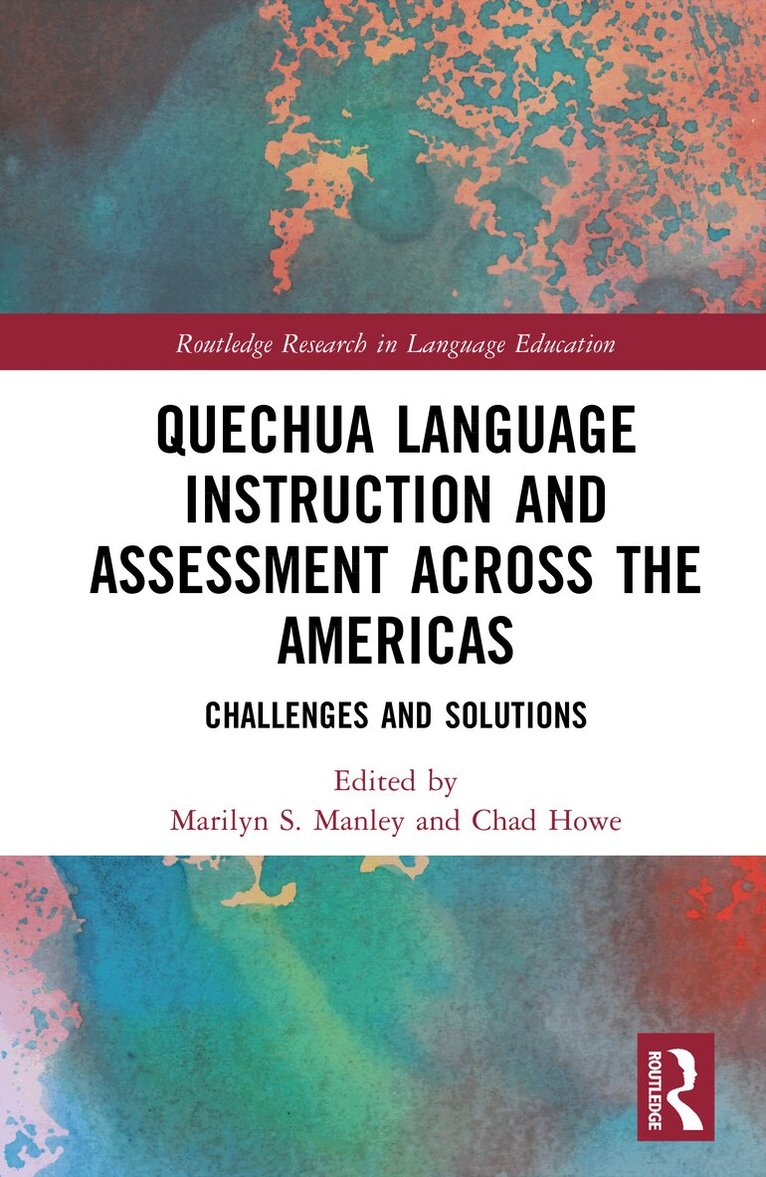
Quechua, with nearly ten million speakers living primarily across the Andes, stands as the most widely spoken Indigenous language of the Americas today. Yet, this less commonly taught language (LCTL) continues to face significant challenges. This work illuminates and interrogates current barriers to Quechua language instruction and assessment within the United States, Ecuador, Bolivia, and Peru. Collectively, the contributions to this volume offer a way forward with suggestions and solutions aimed at building the capacity of Quechua language stakeholders.
The volume describes barriers to effective Quechua language instruction and assessment, such as the problematic implementation of Intercultural Bilingual Education (IBE) in Peru and Ecuador, ineffective Quechua language learning materials, and inadequate Quechua language assessment instruments. To address these challenges, this work offers three primary solutions: expanding the target audience for Quechua language instruction and language learning materials, creating communicative language learning materials that reflect culturally appropriate, real-life situations and include nativized grammatical descriptions, and making necessary modifications to language proficiency assessment instruments. As such, it provides a blueprint for pushing Quechua language instruction and assessment beyond its current status and into a future in which instructors and students are offered high-quality, culturally grounded classroom experiences. These solutions may also apply to other LCTLs and, in particular, to other Indigenous languages of the Americas and beyond.
This timely volume, which responds to UNESCO''s Global Call for Action in declaring 2022-2032 as the International Decade of Indigenous Languages, is essential reading for scholars, faculty, and students with interests in Indigenous languages, language acquisition (L1/L2), language pedagogy, language policy, sociolinguistics, linguistic anthropology, and decolonizing approaches to education.
808 kr
Läs direkt efter köp
Quechua, with nearly ten million speakers living primarily across the Andes, stands as the most widely spoken Indigenous language of the Americas today. Yet, this less commonly taught language (LCTL) continues to face significant challenges. This work illuminates and interrogates current barriers to Quechua language instruction and assessment within the United States, Ecuador, Bolivia, and Peru. Collectively, the contributions to this volume offer a way forward with suggestions and solutions aimed at building the capacity of Quechua language stakeholders.
The volume describes barriers to effective Quechua language instruction and assessment, such as the problematic implementation of Intercultural Bilingual Education (IBE) in Peru and Ecuador, ineffective Quechua language learning materials, and inadequate Quechua language assessment instruments. To address these challenges, this work offers three primary solutions: expanding the target audience for Quechua language instruction and language learning materials, creating communicative language learning materials that reflect culturally appropriate, real-life situations and include nativized grammatical descriptions, and making necessary modifications to language proficiency assessment instruments. As such, it provides a blueprint for pushing Quechua language instruction and assessment beyond its current status and into a future in which instructors and students are offered high-quality, culturally grounded classroom experiences. These solutions may also apply to other LCTLs and, in particular, to other Indigenous languages of the Americas and beyond.
This timely volume, which responds to UNESCO''s Global Call for Action in declaring 2022-2032 as the International Decade of Indigenous Languages, is essential reading for scholars, faculty, and students with interests in Indigenous languages, language acquisition (L1/L2), language pedagogy, language policy, sociolinguistics, linguistic anthropology, and decolonizing approaches to education.