2 590 kr
Skickas inom 10-15 vardagar
2 590 kr
Skickas inom 10-15 vardagar
2 957 kr
Skickas inom 7-10 vardagar
3 334 kr
Skickas inom 7-10 vardagar
3 314 kr
Skickas inom 7-10 vardagar
2 960 kr
Skickas inom 7-10 vardagar
3 053 kr
Skickas inom 7-10 vardagar
3 053 kr
Skickas inom 7-10 vardagar
3 032 kr
Skickas inom 7-10 vardagar
472 kr
Skickas inom 7-10 vardagar
2 184 kr
Skickas inom 10-15 vardagar
1 282 kr
Skickas inom 7-10 vardagar
2 571 kr
Skickas inom 10-15 vardagar
2 564 kr
Skickas inom 10-15 vardagar
785 kr
Läs direkt efter köp
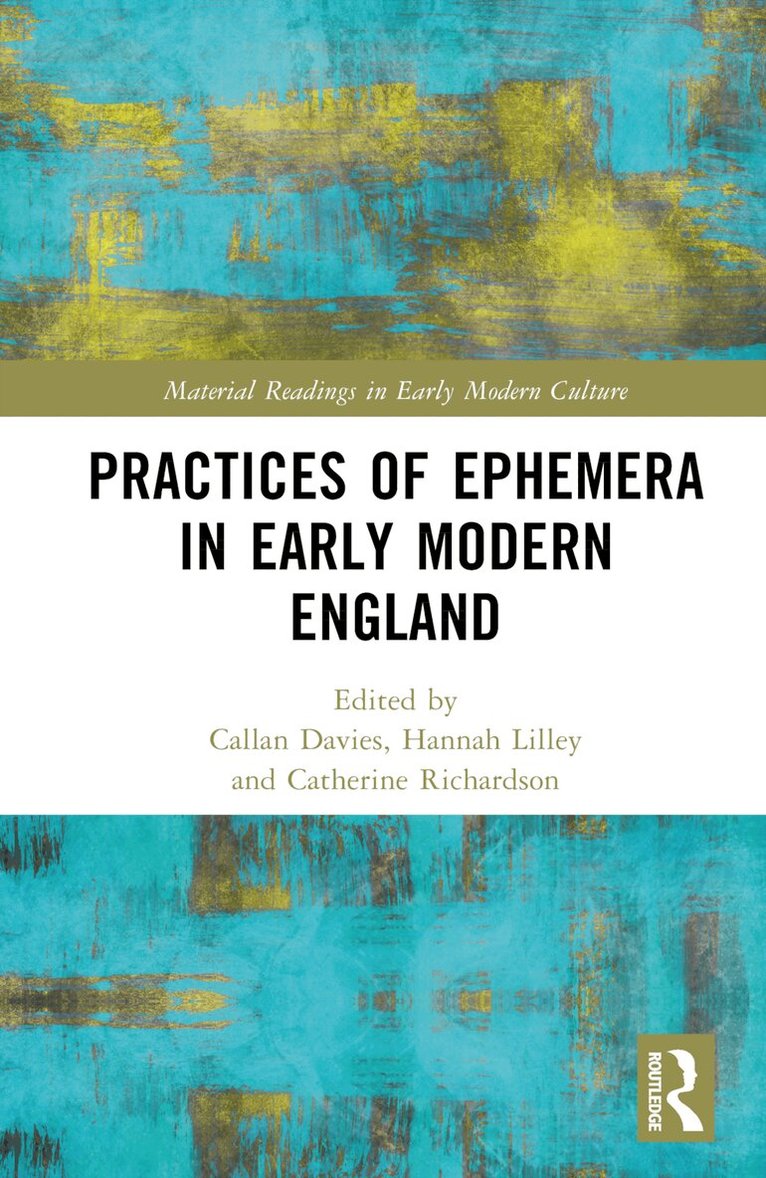
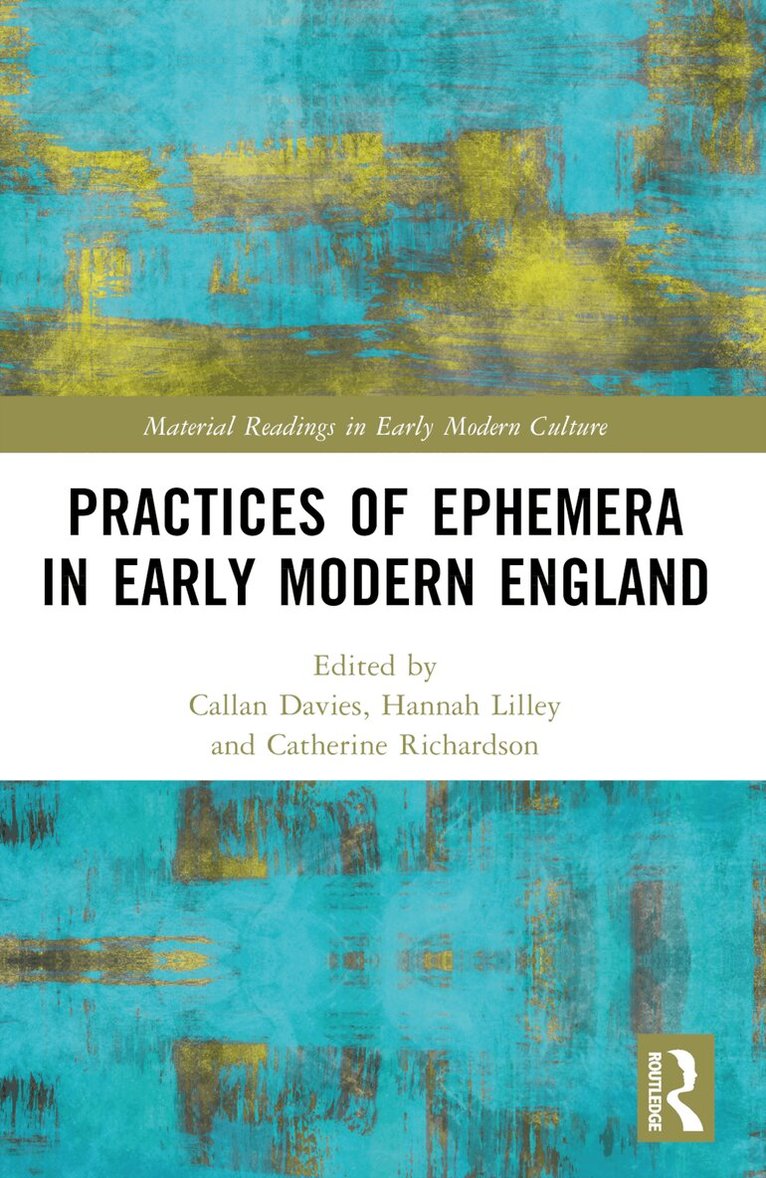
This collection is the first to historicise the term ephemera and its meanings for early modern England and considers its relationship to time, matter, and place. It asks: how do we conceive of ephemera in a period before it was routinely employed (from the eighteenth century) to describe ostensibly disposable print? In the sixteenth and seventeenth centuries—when objects and texts were rapidly proliferating—the term began to acquire its modern association with transitoriness. But contributors to this volume show how ephemera was also integrally related to wider social and cultural ecosystems. Chapters explore those ecosystems and think about the papers and artefacts that shaped homes, streets, and cities or towns and their attendant preservation, loss, or transformation. The studies here therefore look beyond static records to think about moments of process and transmutation and accordingly get closer to early modern experiences, identities, and practices.
728 kr
Skickas inom 10-15 vardagar
728 kr
Skickas inom 10-15 vardagar
746 kr
Skickas inom 10-15 vardagar
957 kr
Skickas inom 10-15 vardagar
838 kr
Läs direkt efter köp
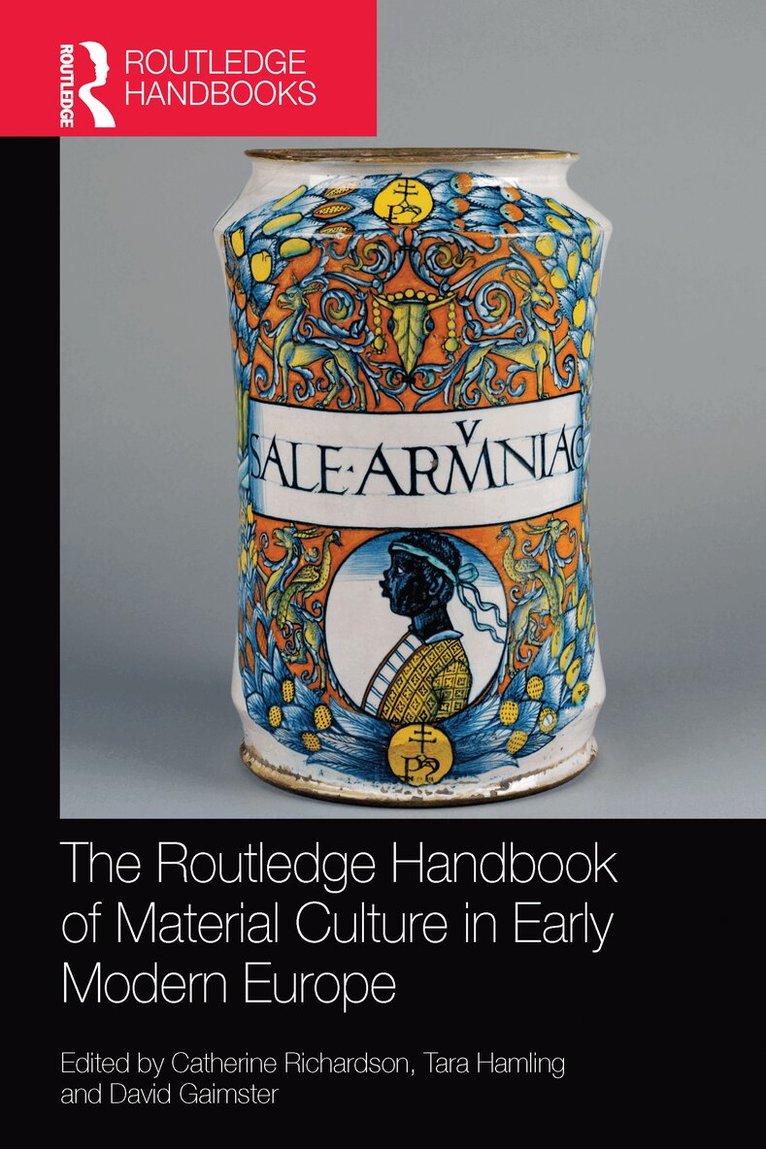
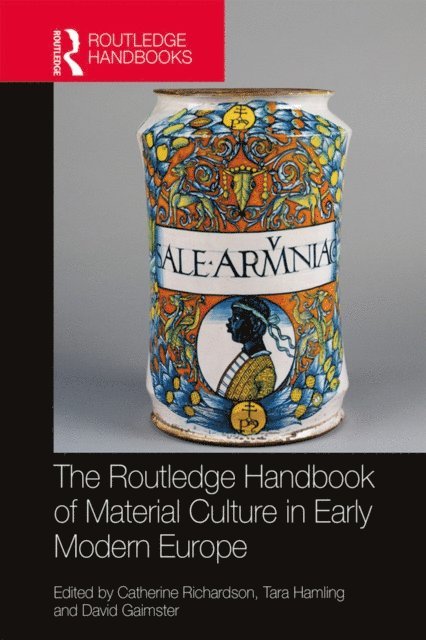
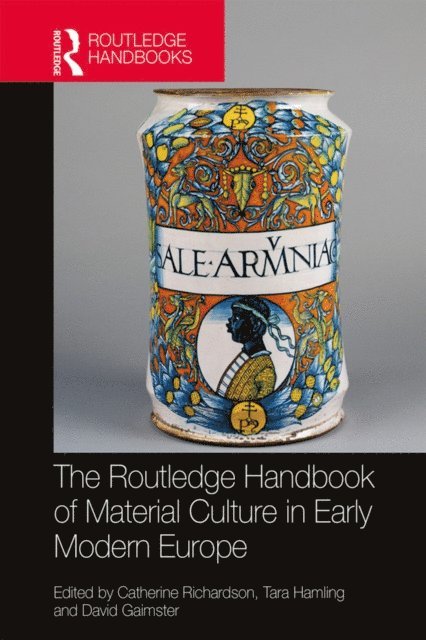
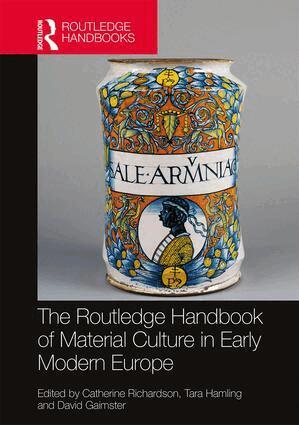
The Routledge Handbook of Material Culture in Early Modern Europe marks the arrival of early modern material culture studies as a vibrant, fully-established field of multi-disciplinary research.
The volume provides a rounded, accessible collection of work on the nature and significance of materiality in early modern Europe – a term that embraces a vast range of objects as well as addressing a wide variety of human interactions with their physical environments. This stimulating view of materiality is distinctive in asking questions about the whole material world as a context for lived experience, and the book considers material interactions at all social levels.
There are 27 chapters by leading experts as well as 13 feature object studies to highlight specific items that have survived from this period (defined broadly as c.1500–c.1800). These contributions explore the things people acquired, owned, treasured, displayed and discarded, the spaces in which people used and thought about things, the social relationships which cluster around goods – between producers, vendors and consumers of various kinds – and the way knowledge travels around those circuits of connection. The content also engages with wider issues such as the relationship between public and private life, the changing connections between the sacred and the profane, or the effects of gender and social status upon lived experience.
Constructed as an accessible, wide-ranging guide to research practice, the book describes and represents the methods which have been developed within various disciplines for analysing pre-modern material culture. It comprises four sections which open up the approaches of various disciplines to non-specialists: ‘Definitions, disciplines, new directions’, ‘Contexts and categories’, ‘Object studies’ and ‘Material culture in action’.
This volume addresses the need for sustained, coherent comment on the state, breadth and potential of this lively new field, including the work of historians, art historians, museum curators, archaeologists, social scientists and literary scholars. It consolidates and communicates recent developments and considers how we might take forward a multi-disciplinary research agenda for the study of material culture in periods before the mass production of goods.
850 kr
Läs direkt efter köp
The Routledge Handbook of Material Culture in Early Modern Europe marks the arrival of early modern material culture studies as a vibrant, fully-established field of multi-disciplinary research.
The volume provides a rounded, accessible collection of work on the nature and significance of materiality in early modern Europe – a term that embraces a vast range of objects as well as addressing a wide variety of human interactions with their physical environments. This stimulating view of materiality is distinctive in asking questions about the whole material world as a context for lived experience, and the book considers material interactions at all social levels.
There are 27 chapters by leading experts as well as 13 feature object studies to highlight specific items that have survived from this period (defined broadly as c.1500–c.1800). These contributions explore the things people acquired, owned, treasured, displayed and discarded, the spaces in which people used and thought about things, the social relationships which cluster around goods – between producers, vendors and consumers of various kinds – and the way knowledge travels around those circuits of connection. The content also engages with wider issues such as the relationship between public and private life, the changing connections between the sacred and the profane, or the effects of gender and social status upon lived experience.
Constructed as an accessible, wide-ranging guide to research practice, the book describes and represents the methods which have been developed within various disciplines for analysing pre-modern material culture. It comprises four sections which open up the approaches of various disciplines to non-specialists: ‘Definitions, disciplines, new directions’, ‘Contexts and categories’, ‘Object studies’ and ‘Material culture in action’.
This volume addresses the need for sustained, coherent comment on the state, breadth and potential of this lively new field, including the work of historians, art historians, museum curators, archaeologists, social scientists and literary scholars. It consolidates and communicates recent developments and considers how we might take forward a multi-disciplinary research agenda for the study of material culture in periods before the mass production of goods.

284 kr
Skickas inom 7-10 vardagar
1 351 kr
Skickas inom 10-15 vardagar
359 kr
Läs direkt efter köp
312 kr
Läs direkt efter köp
1 309 kr
Skickas inom 10-15 vardagar
838 kr
Läs direkt efter köp
850 kr
Läs direkt efter köp
1 116 kr
Läs direkt efter köp
1 116 kr
Läs direkt efter köp