695 kr
Skickas inom 10-15 vardagar
695 kr
Skickas inom 10-15 vardagar
716 kr
Skickas inom 10-15 vardagar
725 kr
Skickas inom 10-15 vardagar
225 kr
Skickas inom 3-6 vardagar
567 kr
Skickas inom 7-10 vardagar
692 kr
Skickas inom 10-15 vardagar
2 601 kr
Skickas inom 10-15 vardagar
2 526 kr
Skickas inom 10-15 vardagar
814 kr
Läs direkt efter köp
814 kr
Läs direkt efter köp
796 kr
Läs direkt efter köp
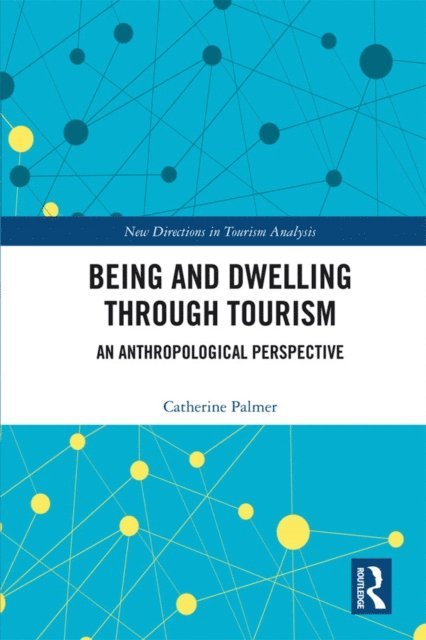
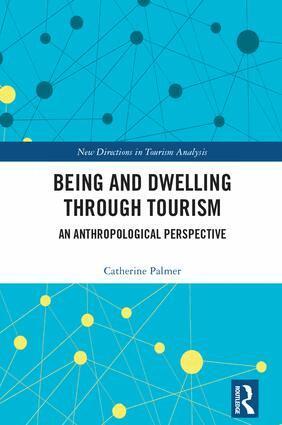
Much of the existing literature seeks to make sense of tourism based on singular approaches such as visuality, identity, mobility, performance and globalised consumption. What is missing, however, is an overarching framework within which these valuable approaches can be located. This book offers one such framework using the concept of dwelling taken from Heidegger and Ingold as the starting point from which to consider the interrelatedness of being, dwelling and tourism.
The anthropological focus at the core of the book is infused with multidisciplinary perspectives that draw on a variety of subjects including philosophy, material cultural studies and cultural geography. The main themes include sensuous, material, architectural and earthly dwelling and each chapter features a discussion of the unifying theoretical framework for each theme, followed by an illustrative focus on specific aspects of tourism.
This theoretically substantive book will be of interest to anyone involved with tourism research from a wide range of disciplines including anthropology, sociology, geography, cultural studies, leisure studies and tourist studies.
808 kr
Läs direkt efter köp
Much of the existing literature seeks to make sense of tourism based on singular approaches such as visuality, identity, mobility, performance and globalised consumption. What is missing, however, is an overarching framework within which these valuable approaches can be located. This book offers one such framework using the concept of dwelling taken from Heidegger and Ingold as the starting point from which to consider the interrelatedness of being, dwelling and tourism.
The anthropological focus at the core of the book is infused with multidisciplinary perspectives that draw on a variety of subjects including philosophy, material cultural studies and cultural geography. The main themes include sensuous, material, architectural and earthly dwelling and each chapter features a discussion of the unifying theoretical framework for each theme, followed by an illustrative focus on specific aspects of tourism.
This theoretically substantive book will be of interest to anyone involved with tourism research from a wide range of disciplines including anthropology, sociology, geography, cultural studies, leisure studies and tourist studies.
849 kr
Läs direkt efter köp
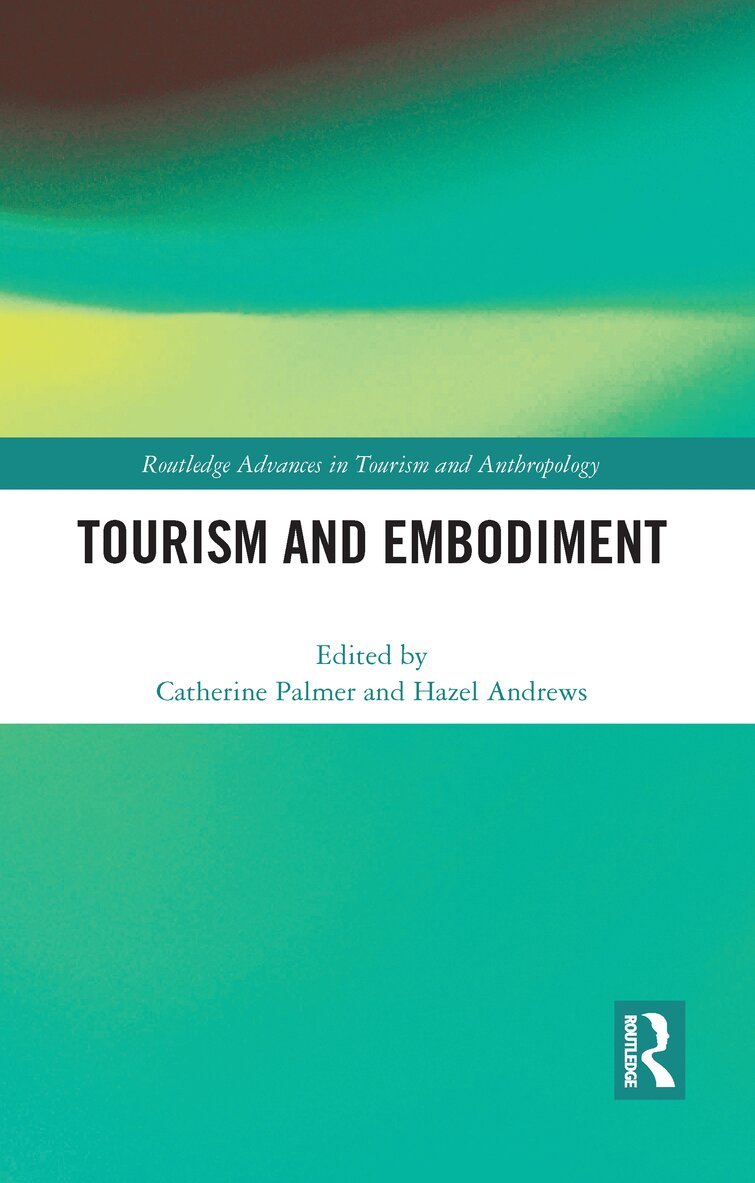
The role of the body and the concept of embodiment have largely been neglected in anthropological studies of tourism. This book explores the notion of the tourist body and develops understanding of how touristic practice is embodied practice, not only for tourists but also for those who work in tourism.
This book provides a more holistic understanding of the role of the body in making and re-making self and world by engaging with tourism. This collection brings together scholars whose work intersects with the anthropology of tourism who each draw upon ethnographically informed research based on international case studies that include India, Turkey, Australia and Tasmania, Denmark, the United States, Nepal, France, Italy, South Africa and Spain. The case studies focus on a variety of themes including human and nonhuman ‘bodies’.
The range of case studies gives the book an international appeal that makes it valuable to academic researchers and students in the disciplines of social anthropology, cultural geography, sociology, philosophy and the field of tourism studies itself.
808 kr
Läs direkt efter köp
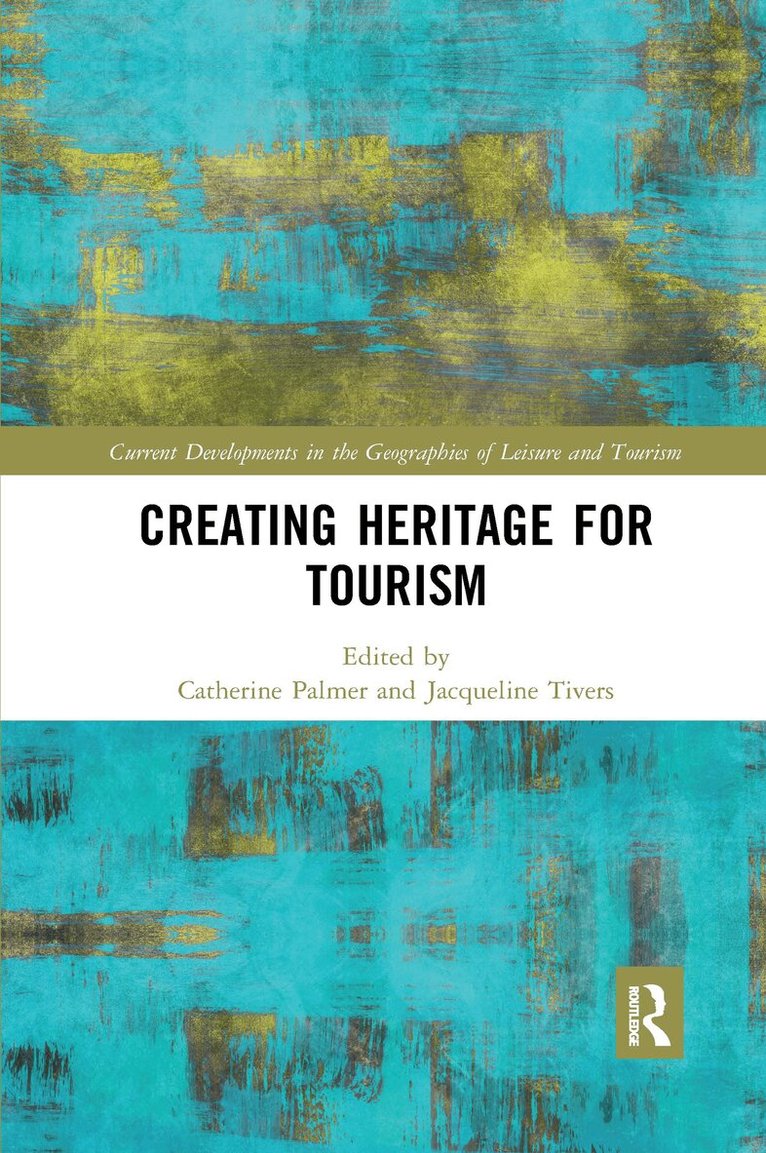
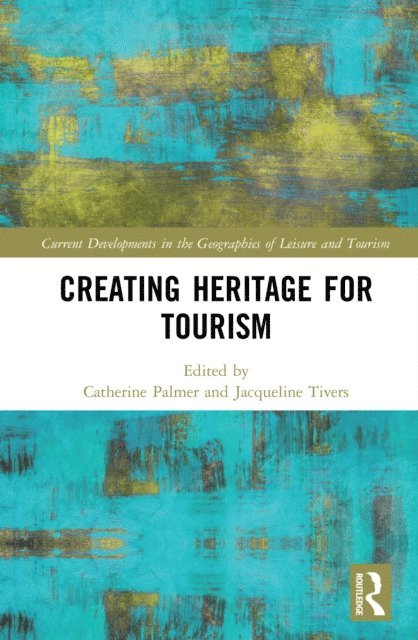
What does ‘heritage’ mean in the twenty-first century? Traditional ideas of heritage involve places where objects, landscapes, people and ideas are venerated and reproduced over time as an inheritance for future generations. To speak of heritage is to speak of a relationship between the past, the present and the future. However, it is a past recreated for economic gain, hence sectors such as culinary tourism, ecotourism, cultural tourism and film tourism have employed the heritage label to attract visitors.
This interdisciplinary book furthers understanding on how heritage is socially constructed, interpreted and experienced within different geographic and cultural contexts, in both Western and non-Western settings. Subjects discussed include Welsh linguistic heritage, tango, mushroom tourism, Turkish coffee, literary tourism and the techniques employed to construct tourist accommodation. By focusing upon heritage creation in the context of tourism, the book moves beyond traditional debates about ‘authentic heritage’ to focus on how something becomes heritage for use in the present.
This timely volume will be of interest to students and researchers in tourism, heritage studies, geography, museum studies and cultural studies.
796 kr
Läs direkt efter köp
What does ‘heritage’ mean in the twenty-first century? Traditional ideas of heritage involve places where objects, landscapes, people and ideas are venerated and reproduced over time as an inheritance for future generations. To speak of heritage is to speak of a relationship between the past, the present and the future. However, it is a past recreated for economic gain, hence sectors such as culinary tourism, ecotourism, cultural tourism and film tourism have employed the heritage label to attract visitors.
This interdisciplinary book furthers understanding on how heritage is socially constructed, interpreted and experienced within different geographic and cultural contexts, in both Western and non-Western settings. Subjects discussed include Welsh linguistic heritage, tango, mushroom tourism, Turkish coffee, literary tourism and the techniques employed to construct tourist accommodation. By focusing upon heritage creation in the context of tourism, the book moves beyond traditional debates about ‘authentic heritage’ to focus on how something becomes heritage for use in the present.
This timely volume will be of interest to students and researchers in tourism, heritage studies, geography, museum studies and cultural studies.
26 kr
Läs direkt efter köp
30 kr
Läs direkt efter köp
2 515 kr
Skickas inom 10-15 vardagar
2 515 kr
Skickas inom 10-15 vardagar
179 kr
Läs direkt efter köp
120 kr
Läs direkt efter köp
120 kr
Läs direkt efter köp
119 kr
Läs direkt efter köp
149 kr
Läs direkt efter köp
142 kr
Läs direkt efter köp
149 kr
Läs direkt efter köp
178 kr
Läs direkt efter köp
149 kr
Läs direkt efter köp
112 kr
Läs direkt efter köp