The 2011 Arab Spring protests seemed to mark a turning point in Middle East politics, away from authoritarianism and toward democracy. Within a few years, however, most observers saw the protests as a failure given the outbreak of civil wars and re-emergence of authoritarian strongmen in countries like Egypt. But in Delta Democracy, Catherine E. Herrold argues that we should not overlook the ongoing mobilization taking place in grassroots civil society. Drawing upon ethnographic research on Egypt's nongovernmental organizations (NGOs) in the wake of the uprisings, Herrold uncovers the strategies that local NGOs used to build a more democratic and just society. Departing from US-based democracy advocates' attempts to reform national political institutions, local Egyptian organizations worked with communities to build a culture of democracy through public discussion, debate, and collective action. At present, these forms of participatory democracy are more attainable than establishing fair elections or parliaments, and they are helping Egyptians regain a sense of freedom that they have been denied as the long-time subjects of a dictator. Delta Democracy advances our understanding of how civil society organizations maneuver under state repression in order to combat authoritarianism. It also offers a concrete set of recommendations on how US policymakers can restructure foreign aid to better help local community organizations fighting to expand democracy.
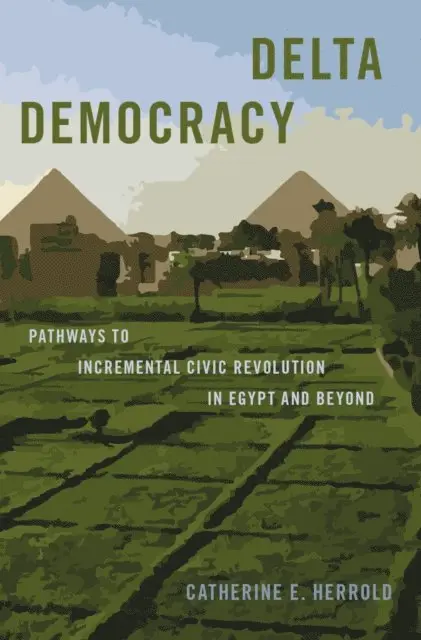
The 2011 Arab Spring protests seemed to mark a turning point in Middle East politics, away from authoritarianism and toward democracy. Within a few years, however, most observers saw the protests as a failure given the outbreak of civil wars and re-emergence of authoritarian strongmen in countries like Egypt. But in Delta Democracy, Catherine E. Herrold argues that we should not overlook the ongoing mobilization taking place in grassroots civil society. Drawing upon ethnographic research on Egypt''s nongovernmental organizations (NGOs) in the wake of the uprisings, Herrold uncovers the strategies that local NGOs used to build a more democratic and just society. Departing from US-based democracy advocates'' attempts to reform national political institutions, local Egyptian organizations worked with communities to build a culture of democracy through public discussion, debate, and collective action. At present, these forms of participatory democracy are more attainable than establishing fair elections or parliaments, and they are helping Egyptians regain a sense of freedom that they have been denied as the long-time subjects of a dictator. Delta Democracy advances our understanding of how civil society organizations maneuver under state repression in order to combat authoritarianism. It also offers a concrete set of recommendations on how US policymakers can restructure foreign aid to better help local community organizations fighting to expand democracy.
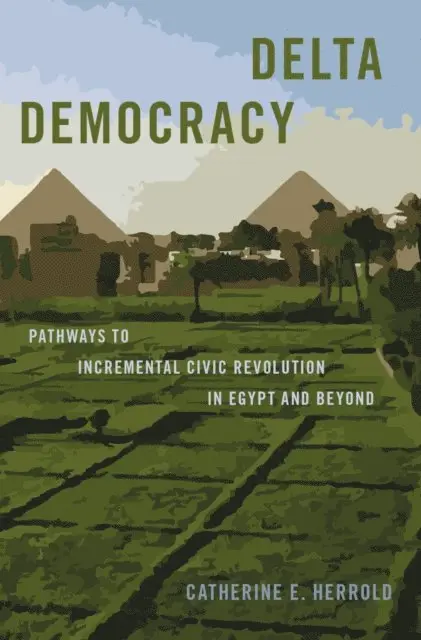
The 2011 Arab Spring protests seemed to mark a turning point in Middle East politics, away from authoritarianism and toward democracy. Within a few years, however, most observers saw the protests as a failure given the outbreak of civil wars and re-emergence of authoritarian strongmen in countries like Egypt. But in Delta Democracy, Catherine E. Herrold argues that we should not overlook the ongoing mobilization taking place in grassroots civil society. Drawing upon ethnographic research on Egypt's nongovernmental organizations (NGOs) in the wake of the uprisings, Herrold uncovers the strategies that local NGOs used to build a more democratic and just society. Departing from US-based democracy advocates' attempts to reform national political institutions, local Egyptian organizations worked with communities to build a culture of democracy through public discussion, debate, and collective action. At present, these forms of participatory democracy are more attainable than establishing fair elections or parliaments, and they are helping Egyptians regain a sense of freedom that they have been denied as the long-time subjects of a dictator. Delta Democracy advances our understanding of how civil society organizations maneuver under state repression in order to combat authoritarianism. It also offers a concrete set of recommendations on how US policymakers can restructure foreign aid to better help local community organizations fighting to expand democracy.

Sovereignty Struggles analyzes trends in both hyper-local civic organizing and global foreign aid reforms.Using field research spanning over a decade, this book analyzes how contemporary civic organizations are mobilizing grassroots communities for change and considers the promise and potential pitfalls of international donors' efforts to support this type of locally embedded work. Today, young people around the world are disillusioned with how formal nongovernmental organizations (NGOs) have depoliticized civil society by taking responsibility for social change out of the hands of everyday people. As a result, youth are forming new types of organizations that aim to revitalize civil society as a sphere of citizen engagement and empowerment. Focusing on the case of Palestine, Catherine E. Herrold investigates this latest evolution in civil society in rich ethnographic detail. Just as this hyper-local social change mobilization is happening, international donors are increasingly localizing their foreign assistance. Drawing on Herrold's expertise in foreign aid policy and practice, Sovereignty Struggles proposes policy reforms designed to help donors construct a relational form of aid localization relevant for contemporary international development trends.