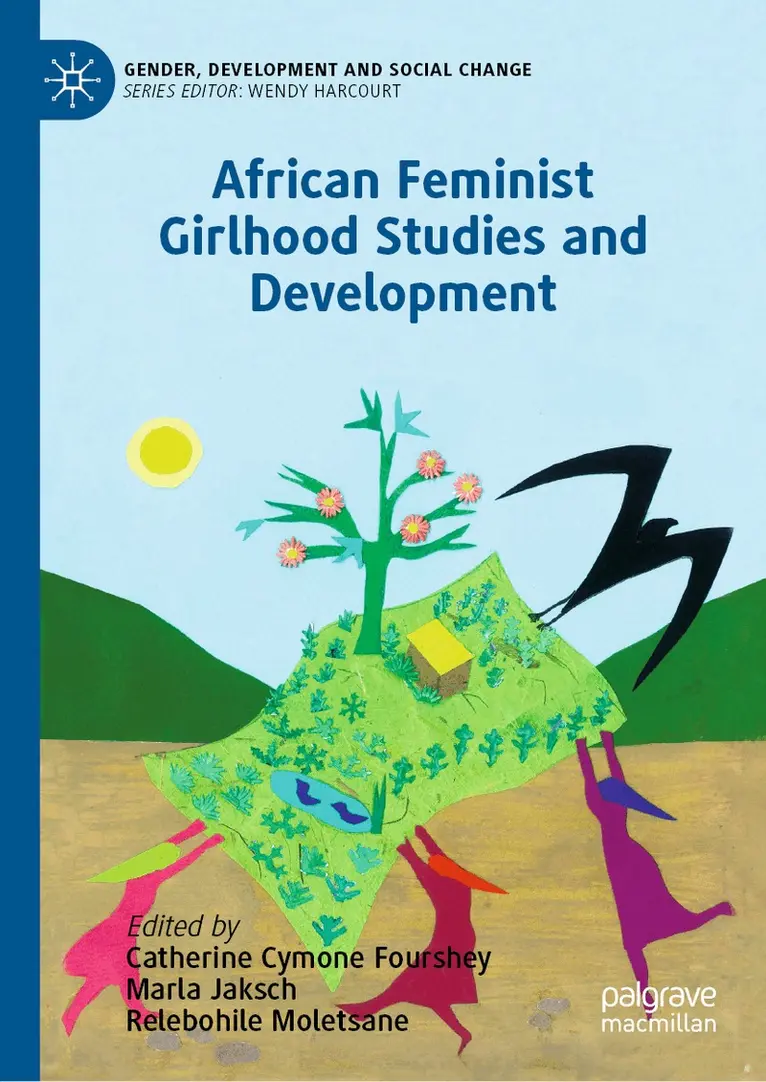
This project draws on African feminisms to propose major questions about the agency of girls. The central research questions of the book are: what is the history of girlhood on the ground in various regions of Africa? In African contexts, how are humanistic approaches helping social scientists and development practitioners to unravel some of the seemingly unsolvable challenges? And, finally, in what ways might development projects defined and shaped by adolescent African girls lead us to better understandings of challenges they face and beneficial as well as realistic solutions and critical responses to poverty, development, and inequality? The authors expand the existing conversation by drawing upon epistemological foundations emerging from groundbreaking work in the history of gender in Africa. The data and analyses presented in this work contribute to the fields of African politics, girlhood studies, African feminisms, African histories, and development studies.
This project draws on African feminisms to propose major questions about the agency of girls. The central research questions of the book are: what is the history of girlhood on the ground in various regions of Africa? In African contexts, how are humanistic approaches helping social scientists and development practitioners to unravel some of the seemingly unsolvable challenges? And, finally, in what ways might development projects defined and shaped by adolescent African girls lead us to better understandings of challenges they face and beneficial as well as realistic solutions and critical responses to poverty, development, and inequality? The authors expand the existing conversation by drawing upon epistemological foundations emerging from groundbreaking work in the history of gender in Africa. The data and analyses presented in this work contribute to the fields of African politics, girlhood studies, African feminisms, African histories, and development studies.
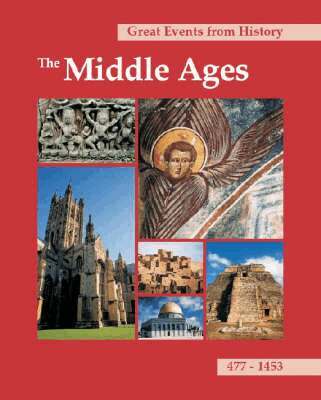
Beginning with approximately 100 core essays from Salem's acclaimed Chronology of European History (1997) and Great Events from History: North American Series (1997), Great Events from History: Ancient and Medieval Series (1972), and Great Events from History: Modern European Series (1973), this set adds more than 220 new essays for a set that is 70 percent new. Chronologically arranged, these 320 essays cover the world's most important events and developments from 477 through 1453 c.e. Each essay lists the event's most precise date of occurrence; a capsule summary of the event's importance; the category or categories of the event; the geographical locale (both contemporary and modern place-names); a list if Key Figures including name, birth and death years, and descriptors; a chronological Summary of Event; an assessment of the event's historical Significance; and a fully annotated Further Reading section listing sources for further study. A variety of illustrations, appendices, and indexes (see ""Features"") round out the set.