What does it look like for a child to be nursing beyond an age that is perceived as “normal”?Chest/breastfeeding is a fraught topic both in the U.S. and in many other countries, particularly when parents continue nursing beyond a few weeks. Popular media representations and opinions of chest/breastfeeding are polarizing: parents who struggle to produce breastmilk are often made to feel inadequate by public health and media suggestions that “breast is best”. At the same time, those who practice extended nursing are often told that they are damaging their child’s physical and psychological development.Based on over a decade of research, Milk on the Side unfastens harmful myths about extended nursing— breastfeeding or chestfeeding a child beyond two years— while touching on the challenges and stigmatizing ideas that are associated with all chest/breastfeeding. The book explores the issue of chest/breastfeeding from many different contexts, including medical, policy, and familial pressures. Ultimately, readers will better understand why some parents practice extended nursing and how stigmas regarding child feeding impact all parents.
What does it look like for a child to be nursing beyond an age that is perceived as “normal”?Chest/breastfeeding is a fraught topic both in the U.S. and in many other countries, particularly when parents continue nursing beyond a few weeks. Popular media representations and opinions of chest/breastfeeding are polarizing: parents who struggle to produce breastmilk are often made to feel inadequate by public health and media suggestions that “breast is best”. At the same time, those who practice extended nursing are often told that they are damaging their child’s physical and psychological development.Based on over a decade of research, Milk on the Side unfastens harmful myths about extended nursing— breastfeeding or chestfeeding a child beyond two years— while touching on the challenges and stigmatizing ideas that are associated with all chest/breastfeeding. The book explores the issue of chest/breastfeeding from many different contexts, including medical, policy, and familial pressures. Ultimately, readers will better understand why some parents practice extended nursing and how stigmas regarding child feeding impact all parents.
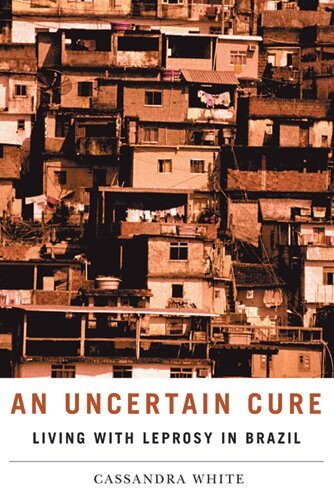
In many cultures, leprosy elicits fear, stigma, and misunderstanding. Historically, people affected by leprosy were banished or isolated from the rest of society. Although the worldwide incidence of leprosy has declined markedly over the past quarter century with the advent of new multidrug therapies, developing nations are still encountering a high number of cases. In An Uncertain Cure, Cassandra White goes deep into the shantytowns of Rio de Janeiro to give a riveting account of the contemporary leprosy experience among poor and working class Brazilians. In this ethnographic treatment of leprosy sufferers, White exposes the web of historical, socioeconomic, religious, and political forces that complicate the path to wellness and perpetuate high rates of infection. Drawing on nearly ten years of research, White shows how anthropological research can contribute to more effective treatment of chronic infectious diseases around the world.