Inbunden, Engelska, 2026
1 721 kr
Skickas inom 7-10 vardagar
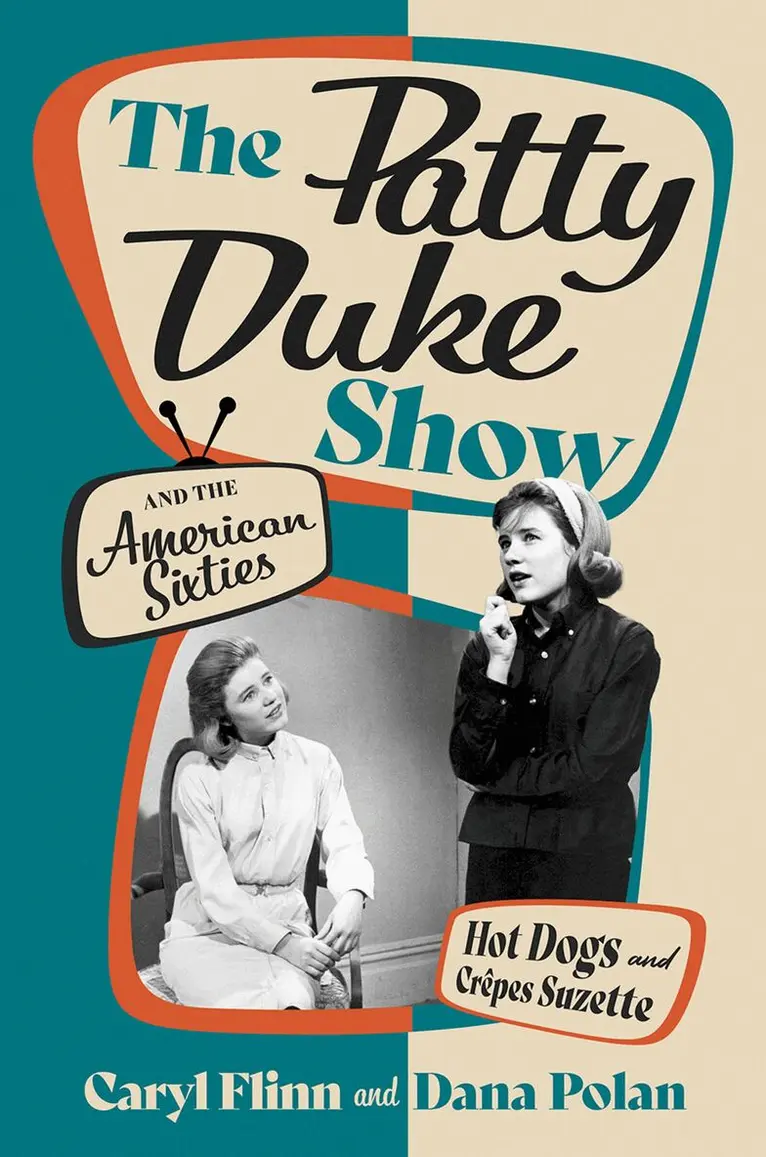
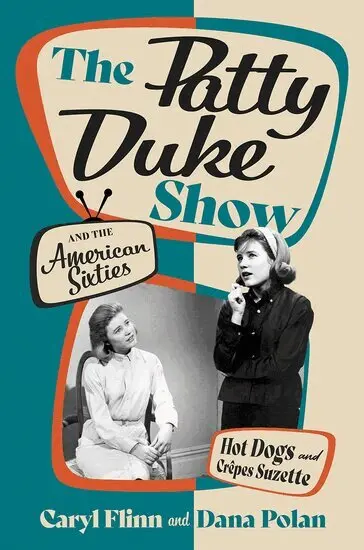
In this fascinating book, the first ever published on The Patty Duke Show (1963-66), Caryl Flinn and Dana Polan examine the significance of this classic US sitcom within popular culture and within American society at the time. Child acting sensation Patty Duke plays the all-American Patty as well as her staid British counterpart Cathy, who comes to live with Patty's family in Brooklyn. Far from being a frivolous show, the show's use of twin girls--and their comic antics--offers glimpses into different identities and possibilities to try on, in keeping not only with girls' popular culture of the time but the optimism of John F. Kennedy's Camelot years. At the same time, the series plugged into many of the contradictions of the mid-1960s. It flirted, as much of the US did, with foreign cultures, such as Julia Child's mediation of Frenchness, only to return to and reaffirm core US values. Like Kennedy, who encouraged the country's youth to engage with the world at large, the show gestures towards a cosmopolitanism that, ultimately, retreats into an American-based perspective, as evidenced in the series' preferential treatment of Patty over Cathy--despite the two characters being played by one actor. Drawing on archival research, Flinn and Polan bring to light the show's production background, which has until now been largely lost to history, as well as considering the series's conception, reception, its many tie-in products, and its ongoing afterlife in the decades since its initial broadcast. In so doing, they reveal hidden and overt issues that shaped American culture and ideology of the 1960s.