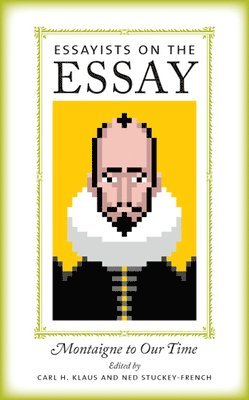
The first historically and internationally comprehensive collection of its kind, Essayists on the Essay is a path breaking work that is nothing less than a richly varied source book for anyone interested in the theory, practice, and art of the essay. This unique work includes a selection of fifty distinctive pieces by American, Canadian, English, European, and South American essayists from Montaigne to the present—many of which have not previously been anthologised or translated—as well as a detailed bibliographical and thematic guide to hundreds of additional works about the essay. From a buoyant introduction that provides a sweeping historical and analytic overview of essayists’ thinking about their genre—a collective poetics of the essay—to the detailed head notes offering pointed information about both the essayists themselves and the anthologised selections, to the richly detailed bibliographic sections, Essayists on the Essay is essential to everyone who cares about the form. This collection provides teachers, scholars, essayists, and readers with the materials they need to take a fresh look at this important but often overlooked form that has for too long been relegated to the role of service genre—used primarily to write about other more “literary” genres or to teach young people how to write. Here, in a single celebratory volume, are four centuries of commentary and theory reminding us of the essay’s storied history, its international appeal, and its relationship not just with poetry and fiction but also with radio, film, video, and new media.
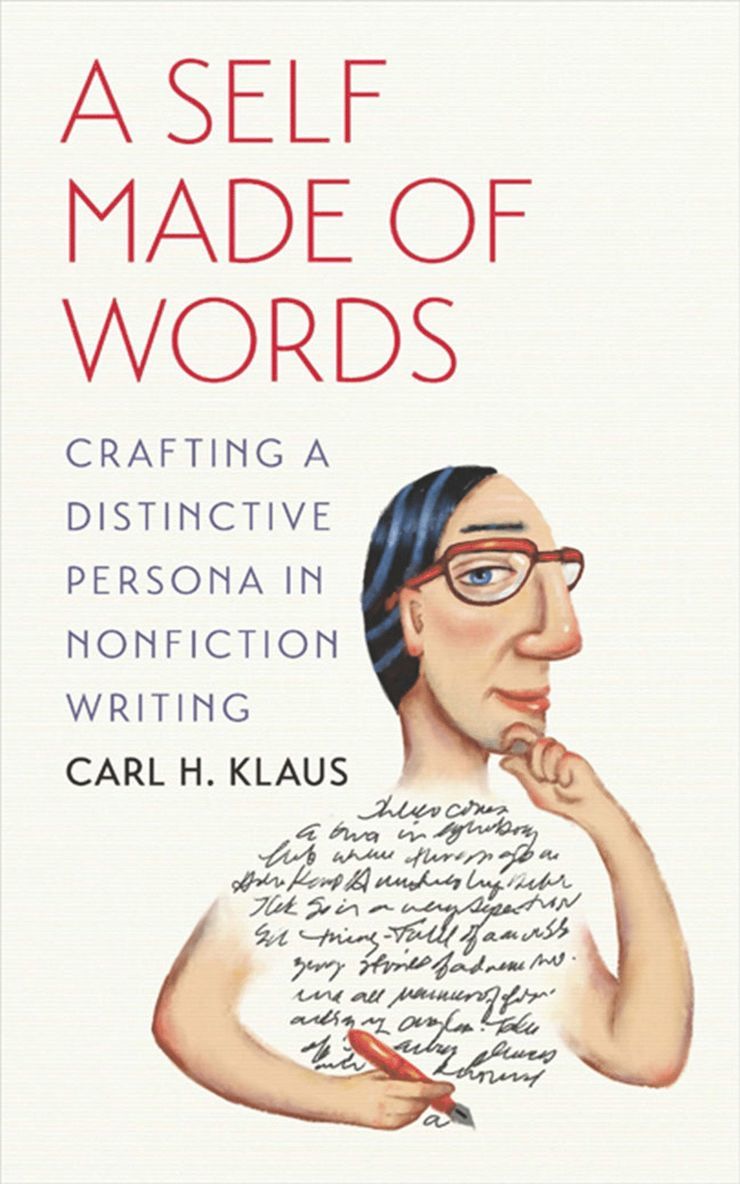
Confident or fretful, solemn or sassy, tough or tender, casual or formal: the self you project in writing—your persona—is the byproduct of numerous decisions you make about what to say and how to say it. Though any single word or phrase or sentence might make little difference within the scope of an entire essay or book, collectively they create an impression of who you are or seem to be—an impression that’s sure to influence how readers respond to your work. Thus it’s essential to take charge of how you come across on the page, to craft an appropriate persona for whatever you’re writing, whether it’s a personal essay, a blog, a technical report, a letter to the editor, or a memoir. In this wise and ingenious little guide, noted essayist Carl Klaus shows you how to adapt your self to the needs of such varied nonfiction, by varying his own persona to illustrate the distinctive effect produced by each aspect and element of writing. Klaus divides his book into two parts: first, an introduction to the nature and function of a persona, then a survey of the most important elements of writing that contribute to the character of a persona, from point of view and organisation to diction and sentence structure. Both parts contain exercises that will give you practice in developing a persona of your choice. Challenging and stimulating, each of his exercises focuses on a distinctly different aspect of composition and style, so as to help you develop the skills of a versatile and personable writer. By focusing on the most important ways of projecting your self in nonfiction prose, you can learn to craft a distinctive self in your writing.
The author reminds readers that the season of brown twigs and icy gales is just as much a part of the year as the time when the tulips open and tomatoes thrive. He keeps track of snow falling, birds flocking, soups simmering, garden catalogues arriving, buds swelling and seed trays coming to life.
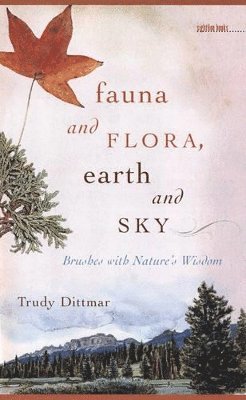
In essays with settings that range from the Wind River Mountains of Wyoming, to the mountain town of Leadville, Colorado, Trudy Dittmar weaves personal experience with diverse threads of subject matter to create unexpected connections between human nature and nature at large.
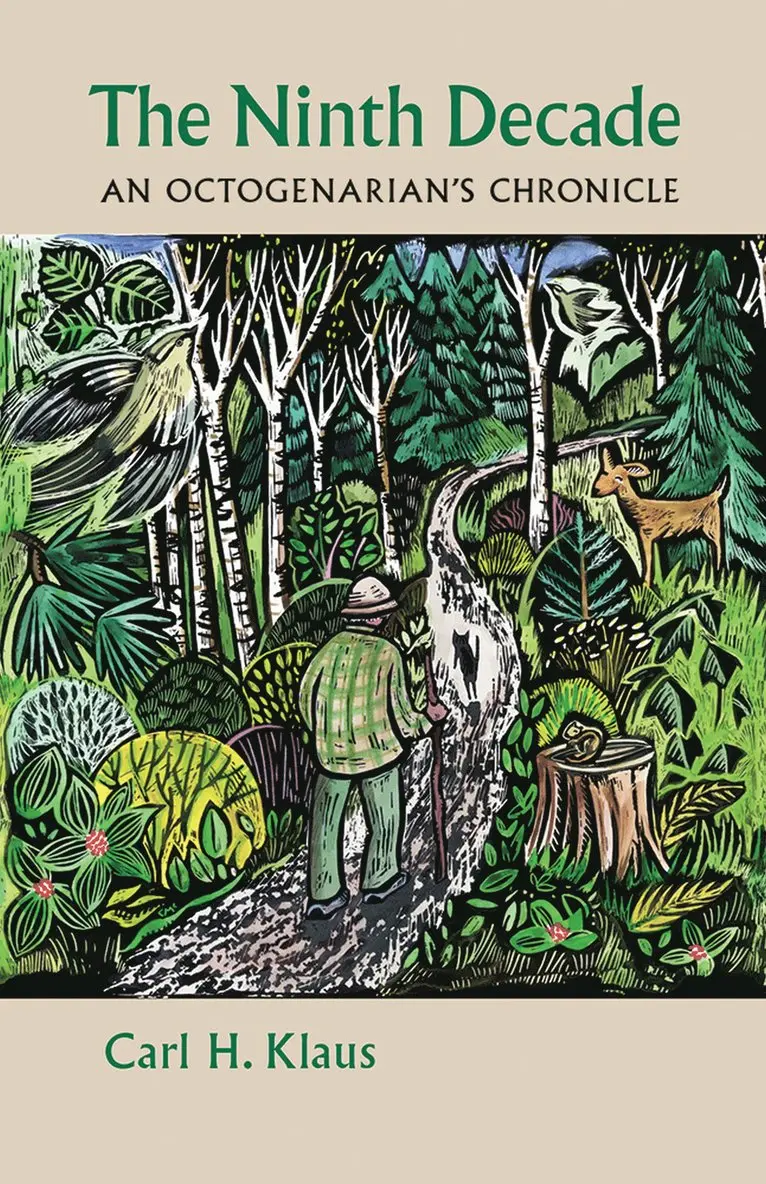
The Ninth Decade is a path-breaking and timely book on aging: the first to focus explicitly and at length on eighty-somethings, the fastest-growing demographic in the industrialized world. Covering eight years in lively six-month installments, Klaus tells a vivid story not only of his own ninth decade and survival routines, but also of his loving companion, Jackie, who is strikingly different from him in her physical well-being, practical outlook, sociable temperament, and vigorous workouts. Cameos of their octogenarian friends and relatives near and far add to a wide-ranging and revelatory portrayal of advanced aging, as do bios of notable octogenarians.The multi-year scope of his chronicle reveals the numerous physical and mental problems that arise during octogenarian life and how eighty-year-olds have dealt with those challenges. The Ninth Decade is a unique, first-hand source of information for anyone in their sixties, seventies, or eighties, as well as for persons devoted to care of the aged. Though the challenges of octogenarian life often require specialized care, The Ninth Decade also shows the pleasures of it to be so special as to have inspired Lillian Hellman’s paradoxical description of “longer life” as “the happy problem of our time.”