Terrorism and Violent Conflict
Women's Agency, Leadership, and Responses
545 kr
Skickas inom 10-15 vardagar
Women's Agency, Leadership, and Responses
545 kr
Skickas inom 10-15 vardagar
728 kr
Läs direkt efter köp
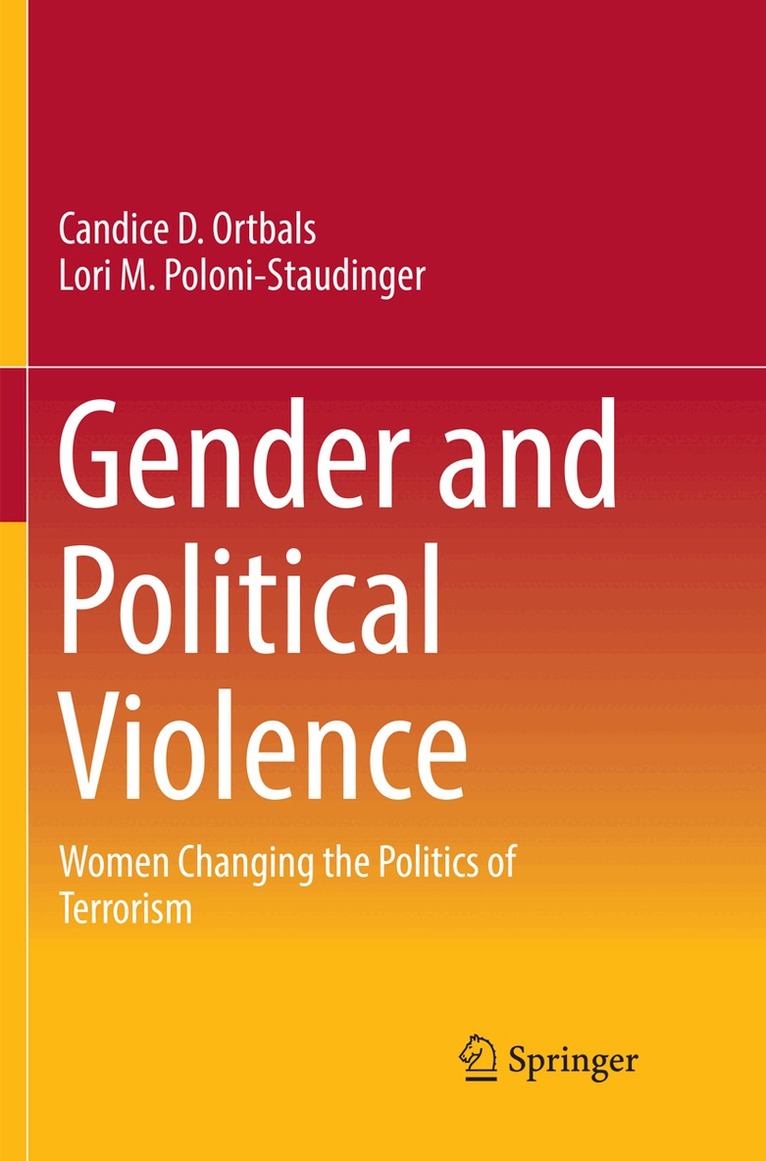
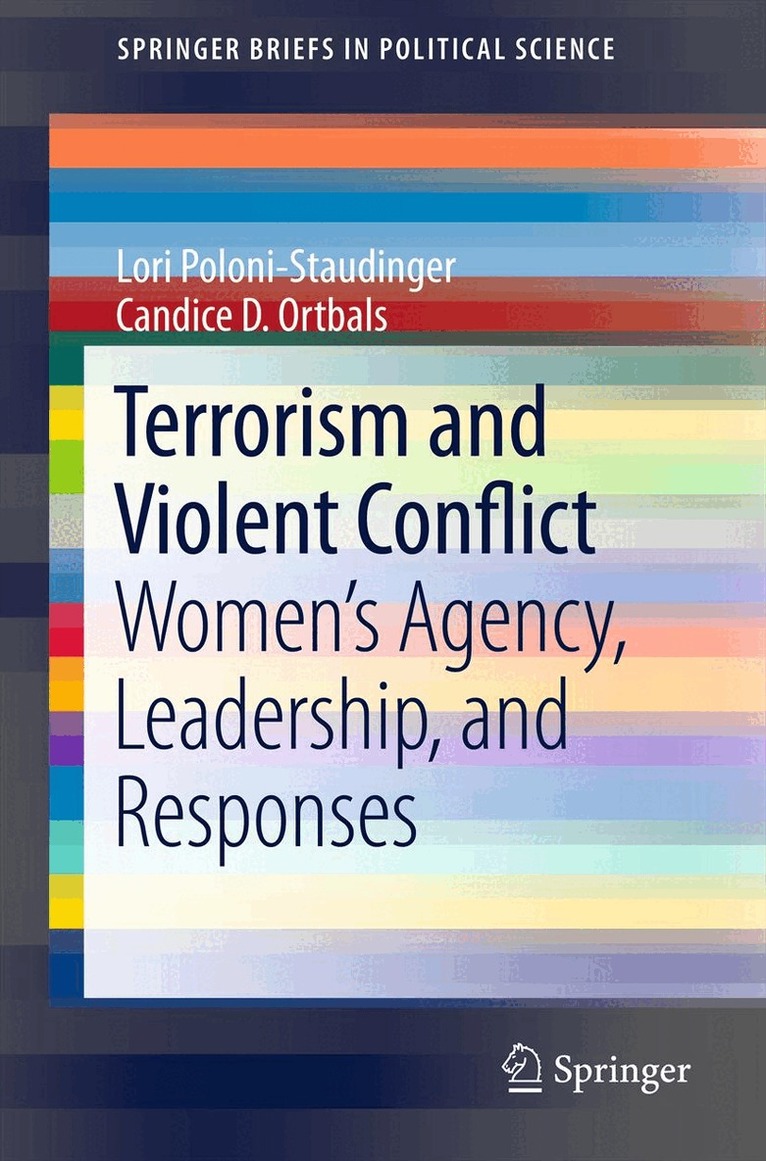
This book explores how gender intersects with political violence, and particularly terrorism. We ask how gender relations and understandings of femininity and masculinity influence political violence, which includes politics related to terrorism, state terrorism, and genocide. We investigate how women cope with and influence the politics of terrorism and genocide. The book’s goals are descriptive and analytical. We (1) describe in what ways women are present (and/or perceived as absent) in political contexts involving violence, and (2) analyze what gender assumptions, identities, and frames women face and themselves express and act upon regarding political violence encountered in their lives. The manuscript is divided into seven chapters: introduction, women as victims/survivors of violence, women as perpetrators of violence, women in social movements responding to violence, women politicians leading policy regarding violence, the public opinion of women and men concerning violence, and a conclusion. Each chapter explores the intersection between gender and terrorism through the lens of the chapter focus.
1 017 kr
Skickas
1 256 kr
Skickas inom 10-15 vardagar
2 499 kr
Skickas inom 10-15 vardagar
3 237 kr
Läs direkt efter köp
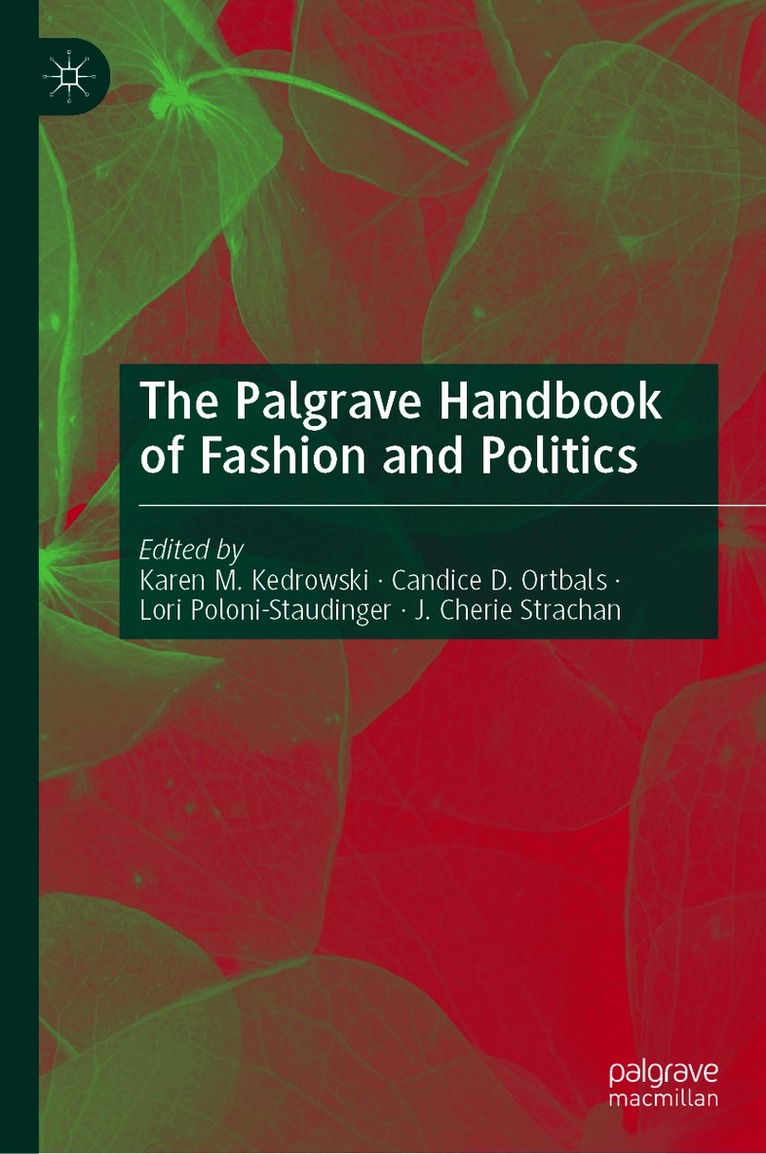
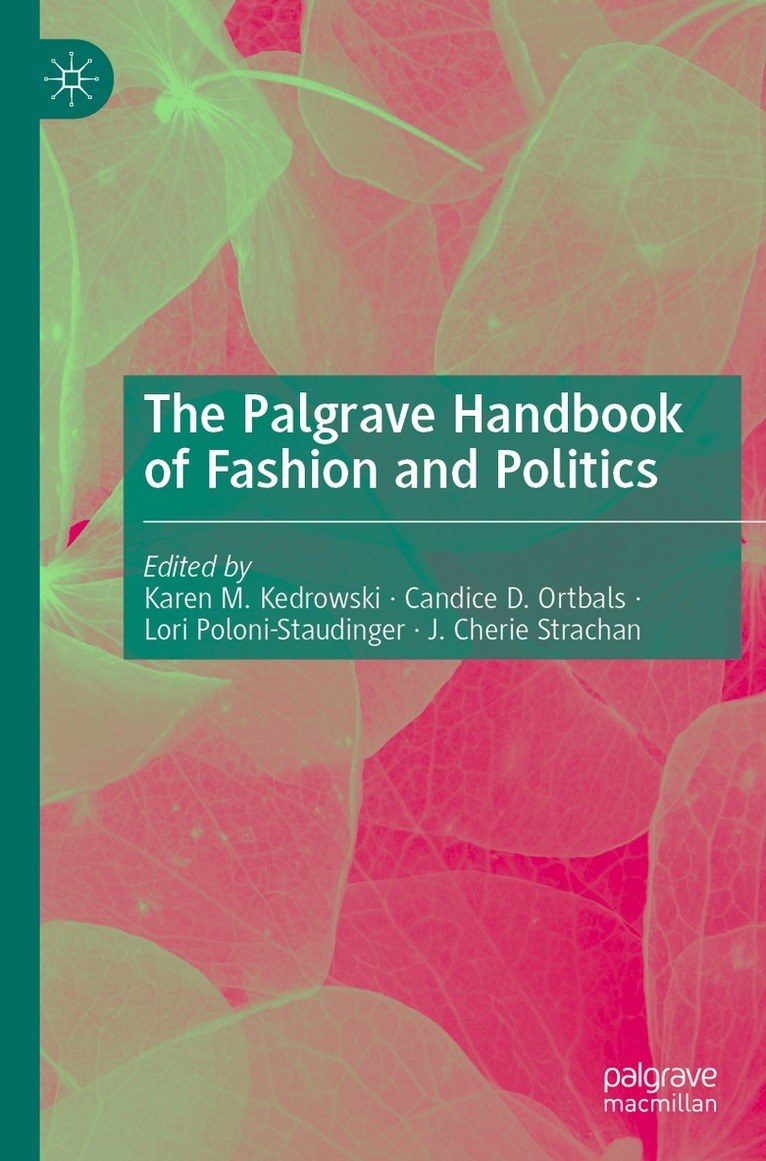
This book examines how fashion intersects with political expression in the United States and across the globe. The chapters cover a diversity of perspectives, including experiences of men, minoritized people and women, and LGBTQ persons, as well as examining strategic choices by political actors ranging from dictators to elected officials and from protesters to mothers. Perhaps more importantly, this handbook allows chapters written about the US by mainly US-based academics to be in dialogue with scholarship about other regions of the world largely written by non-US and non-European scholars. Several chapters address regions of the world often understudied by political scientists, including Africa (Kenya, Ethiopia, Uganda, Sudan, Liberia, Nigeria, and Cameroon); Asia (North Korea, Turkmenistan, Indonesia, and Pakistan); and Latin America (Argentina and Mexico). This work goes beyond the usual analyses that cast clothing choices as trivial or constraining and shows how political actors from dictators to elected officials and from citizen activists to social movement leaders incorporate strategic choices about their clothing – ranging from uniforms and business attire to hijab and traditional ethnic attire – in order to advance their political agendas.
2 499 kr
Skickas inom 10-15 vardagar
1 727 kr
Skickas inom 10-15 vardagar
1 622 kr
Läs direkt efter köp
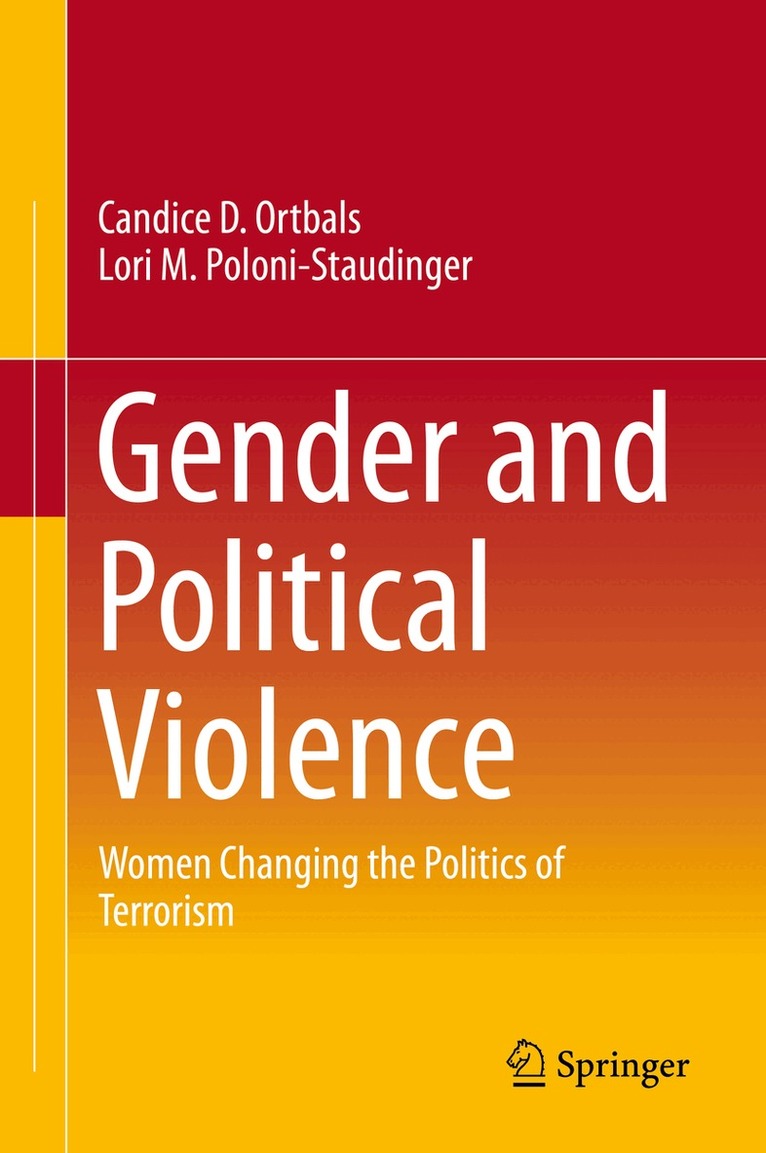
This book examines the role of gender in political conflicts worldwide, specifically the intersection between gender and terrorism. Political violence has historically been viewed as a male domain with men considered the perpetrators of violence and power, and women as victims without power. Whereas men and masculinity are associated with war and aggression, women and femininity conjure up socially constructed images of passivity and peace. This distinction of men as aggressors and women as passive victims denies women their voice and agency. This book investigates how women cope with and influence violent politics, and is both a descriptive and analytical attempt to describe in what ways women are present or absent in political contexts involving political violence, and how they deal with gender assumptions, express gender identities, and frame their actions regarding political violence encountered in their lives. The book looks to reach beyond the notion of women as victims of terrorism or genocide without agency, and to recognize the gendered nature of political conflicts and how women respond to violence. This book will be of interest to advanced undergraduate and graduate students in political science, sociology, cultural studies, and gender studies, academics in terrorism studies and gender studies, government officials, NGOs, and professionals working in areas of violent conflict.