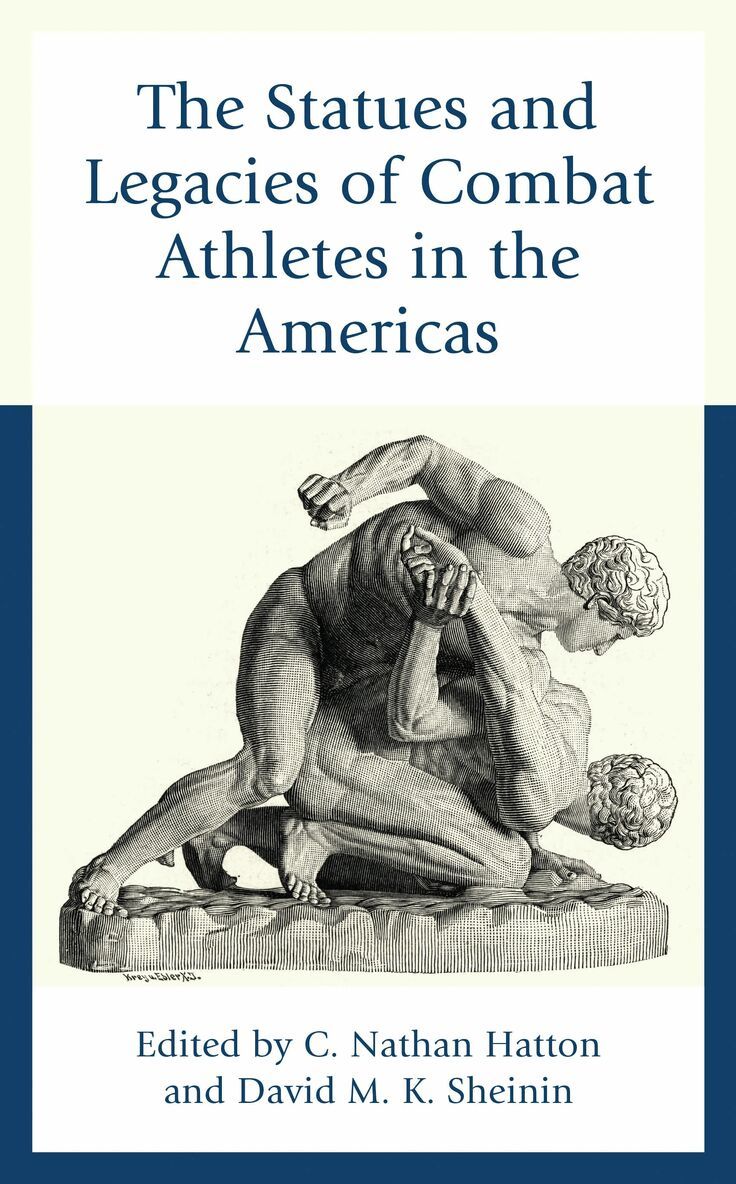
The violence of combat sports left a mark on how fans and communities remembered athletes. As individual endeavors, combat sports have often produced more detailed, emotionally poignant, and deeply personal stories of triumph than those associated with team sports. Commemorative statues to combat athletes are therefore unique as historical markers and sites of memory. These statues tell remarkable stories of the athletes themselves, but also the people and communities that planned and built them, the cities and towns that memorialized them, the fans who followed them, and the evolution of memory and place in the decades that followed their inauguration. Edited by C. Nathan Hatton and David M. K. Sheinin, The Statues and Legacies of Combat Athletes in the Americas brings together an interdisciplinary team of scholars from across North America to interrogate the intimate and layered meanings attached to these monuments to the lives and legacies of combat athletes.
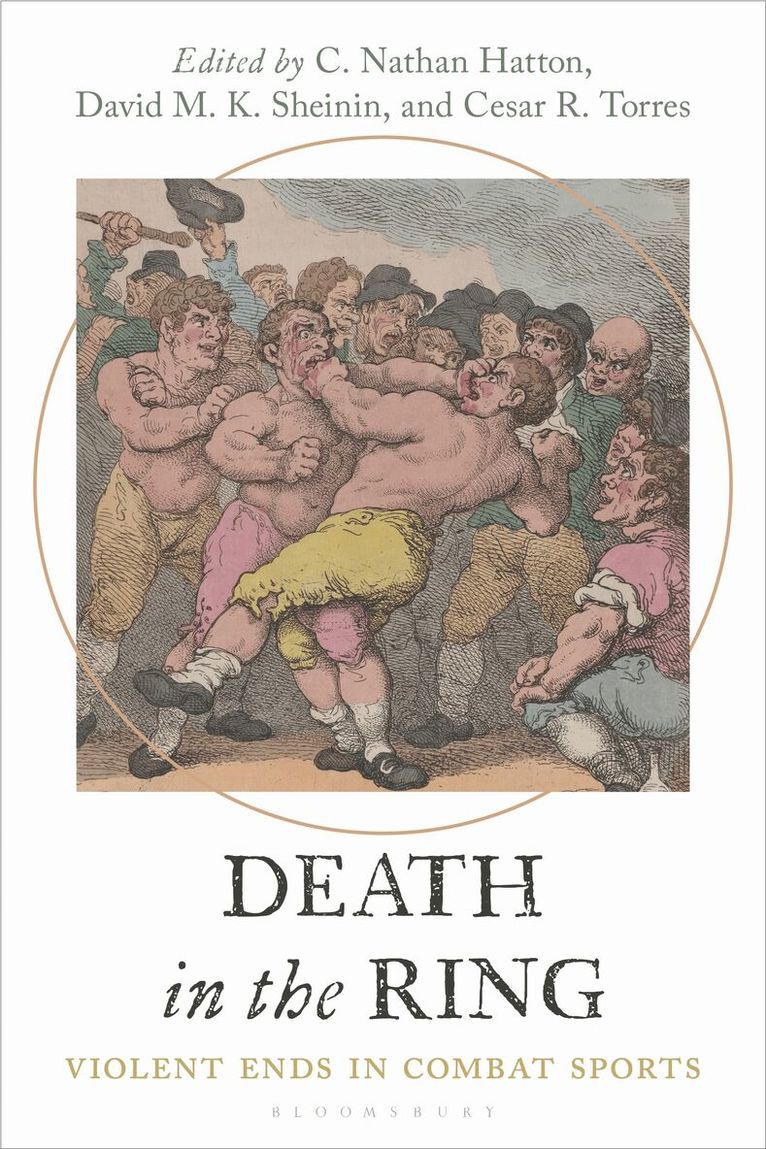
This groundbreaking collection explores how the threat and reality of death shape the culture, business, and ethics of the ring.This interdisciplinary volume critically examines the persistent presence of death in combat sports—boxing, mixed martial arts, and professional wrestling—and its broader cultural, ethical, and sociopolitical implications. Drawing on perspectives from history, sociology, philosophy, media studies, and public health, contributors interrogate how the threat and reality of death shape the moral frameworks, institutional structures, and symbolic meanings of these sports.This book reevaluates ethical critiques of combat sports, considering both the risks of physical harm and the social marginalization of athletes. Through historical case studies, theoretical inquiry, and cultural analysis, Death in the Ring positions death not merely as a tragic outcome but as a revealing lens through which to understand the values, contradictions, and transformations of combat sports in society. Essential reading for scholars of sport studies, cultural history, ethics, and media.
This groundbreaking collection explores how the threat and reality of death shape the culture, business, and ethics of the ring.This interdisciplinary volume critically examines the persistent presence of death in combat sports—boxing, mixed martial arts, and professional wrestling—and its broader cultural, ethical, and sociopolitical implications. Drawing on perspectives from history, sociology, philosophy, media studies, and public health, contributors interrogate how the threat and reality of death shape the moral frameworks, institutional structures, and symbolic meanings of these sports.This book reevaluates ethical critiques of combat sports, considering both the risks of physical harm and the social marginalization of athletes. Through historical case studies, theoretical inquiry, and cultural analysis, Death in the Ring positions death not merely as a tragic outcome but as a revealing lens through which to understand the values, contradictions, and transformations of combat sports in society. Essential reading for scholars of sport studies, cultural history, ethics, and media.