2 081 kr
Kommande
2 081 kr
Kommande
1 067 kr
Läs direkt efter köp
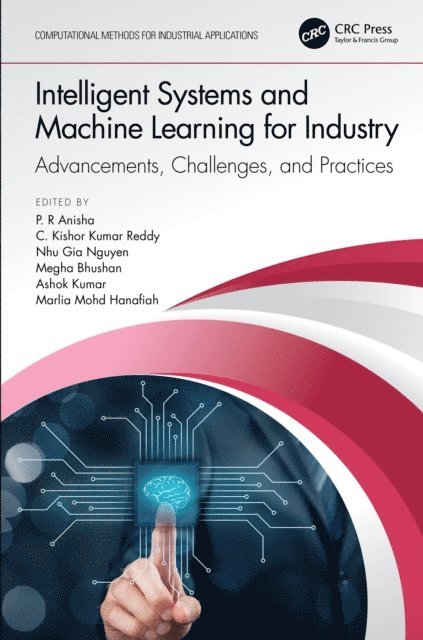
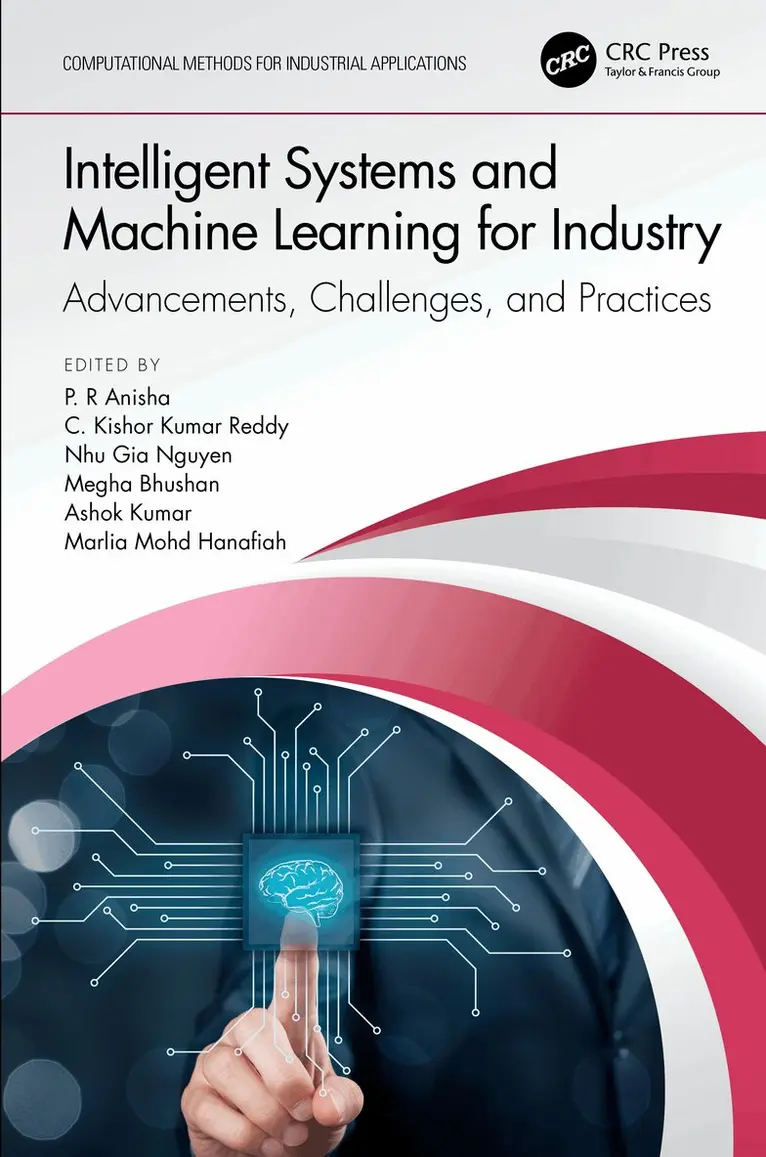
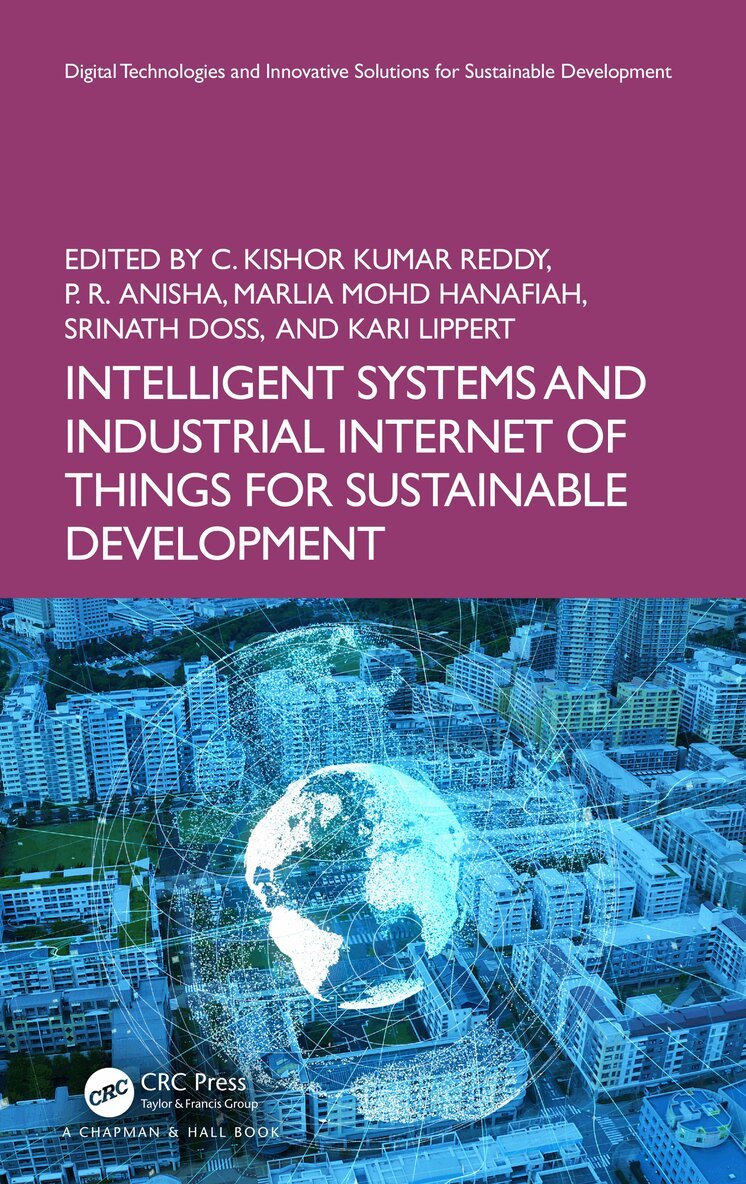
The book explores the concepts and challenges in developing novel approaches using the Internet of Things, intelligent systems, machine intelligence systems, and data analytics in various industrial sectors such as manufacturing, smart agriculture, smart cities, food processing, environment, defense, stock market and healthcare. Further, it discusses the latest improvements in the industrial sectors using machine intelligence learning and intelligent systems techniques, especially robotics.
Features:
• Highlights case studies and solutions to industrial problems using machine learning and intelligent systems.
• Covers applications in smart agriculture, smart healthcare, intelligent machines for disaster management, and smart manufacturing.
• Provides the latest methodologies using machine intelligence systems in the early forecasting of weather.
• Examines the research challenges and identifies the gaps in data collection and data analysis, especially imagery, signal, and speech.
• Provides applications of digitization and smart processing using the Internet of Things and effective intelligent agent systems in manufacturing.
• Discusses a systematic and exhaustive analysis of intelligent software effort estimation models.
It will serve as an ideal reference text for graduate students, post-graduate students, IT Professionals, and academic researchers in the fields of electrical engineering, electronics and communication engineering, computer engineering, and information technology.
1 083 kr
Läs direkt efter köp
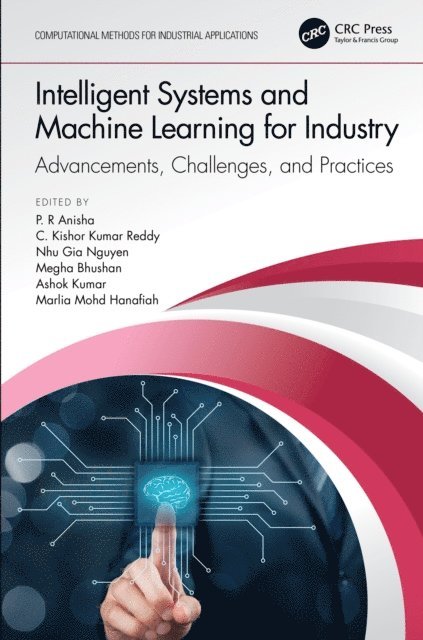
The book explores the concepts and challenges in developing novel approaches using the Internet of Things, intelligent systems, machine intelligence systems, and data analytics in various industrial sectors such as manufacturing, smart agriculture, smart cities, food processing, environment, defense, stock market and healthcare. Further, it discusses the latest improvements in the industrial sectors using machine intelligence learning and intelligent systems techniques, especially robotics.
Features:
• Highlights case studies and solutions to industrial problems using machine learning and intelligent systems.
• Covers applications in smart agriculture, smart healthcare, intelligent machines for disaster management, and smart manufacturing.
• Provides the latest methodologies using machine intelligence systems in the early forecasting of weather.
• Examines the research challenges and identifies the gaps in data collection and data analysis, especially imagery, signal, and speech.
• Provides applications of digitization and smart processing using the Internet of Things and effective intelligent agent systems in manufacturing.
• Discusses a systematic and exhaustive analysis of intelligent software effort estimation models.
It will serve as an ideal reference text for graduate students, post-graduate students, IT Professionals, and academic researchers in the fields of electrical engineering, electronics and communication engineering, computer engineering, and information technology.
970 kr
Läs direkt efter köp
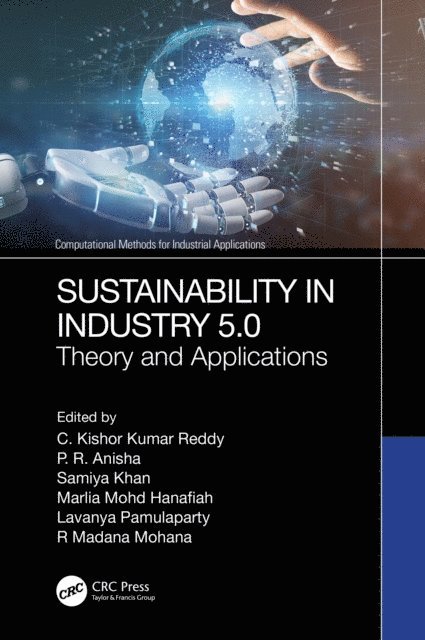
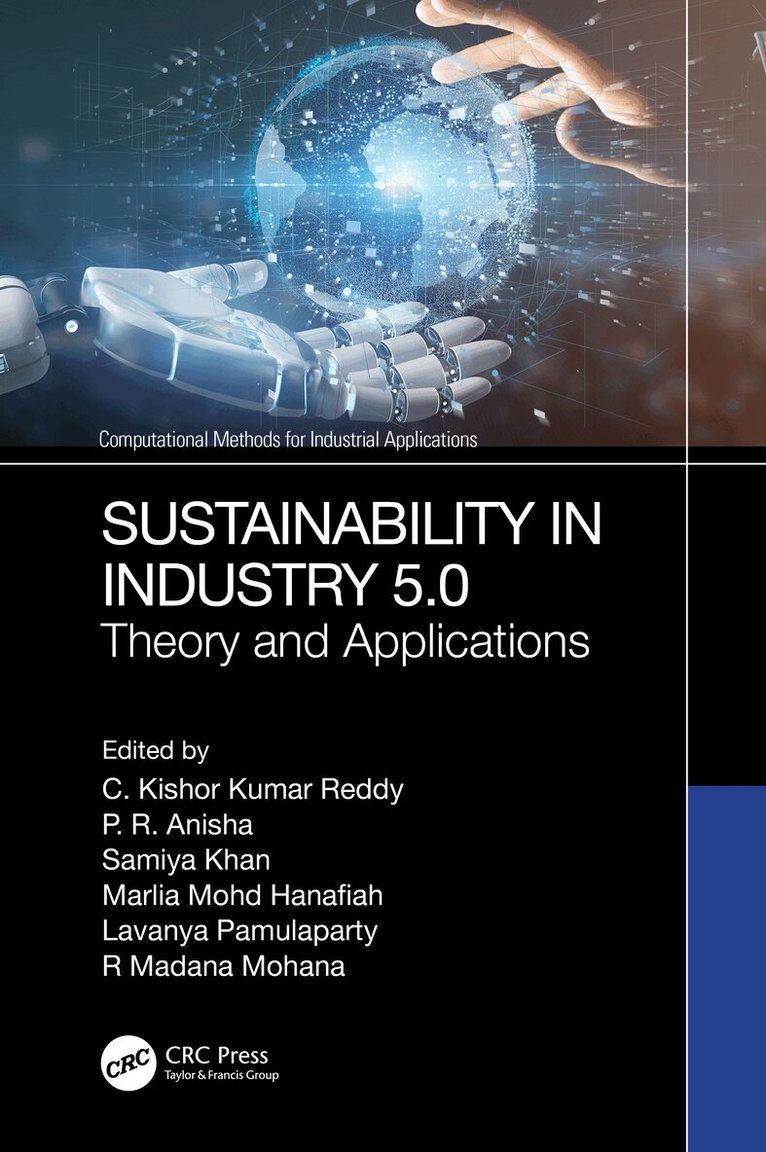
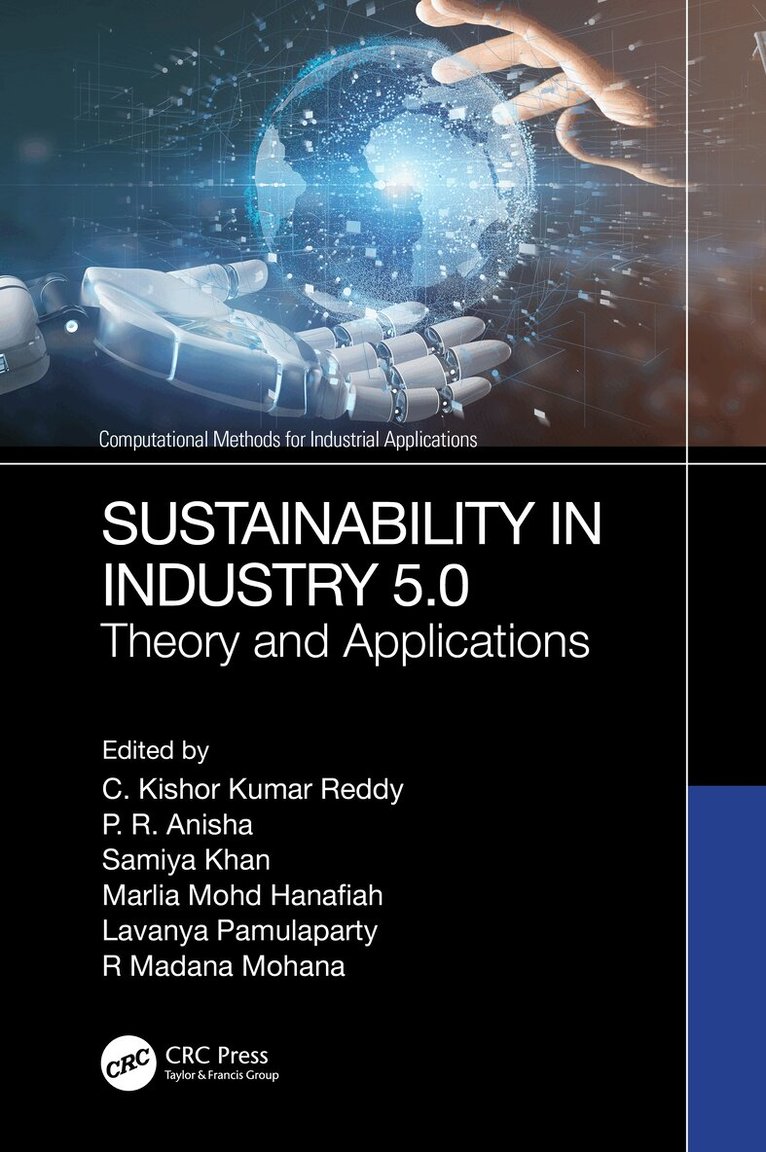
The text emphasizes the need for data pre-processing, classification and prediction, cluster analysis, mining multimedia, and advanced machine learning techniques for scientific programming in Industry 5.0.
Addresses how the convergence of intelligent systems and 5G wireless systems will solve industrial problems such as autonomous robots, and self-driving cars Highlights the methods of smart things in collaborative autonomous fleets and platforms for integrating applications across different business and industry domains Discusses important topics such as the Internet of robotic things, cloud robotics, and cognitive architecture for cyber-physical robotics Explains image compression, and advanced machine learning techniques for scientific programming in Industry 5.0 Presents a detailed discussion of smart manufacturing techniques, industrial Internet of things, and supply chain management in Industry 5.0The text is primarily written for graduate students and academic researchers in the fields of industrial engineering, manufacturing engineering, electrical engineering, production engineering, and mechanical engineering.
949 kr
Läs direkt efter köp
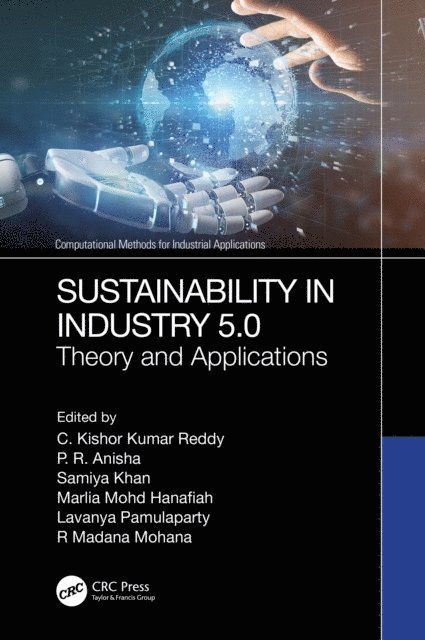
The text emphasizes the need for data pre-processing, classification and prediction, cluster analysis, mining multimedia, and advanced machine learning techniques for scientific programming in Industry 5.0.
Addresses how the convergence of intelligent systems and 5G wireless systems will solve industrial problems such as autonomous robots, and self-driving cars Highlights the methods of smart things in collaborative autonomous fleets and platforms for integrating applications across different business and industry domains Discusses important topics such as the Internet of robotic things, cloud robotics, and cognitive architecture for cyber-physical robotics Explains image compression, and advanced machine learning techniques for scientific programming in Industry 5.0 Presents a detailed discussion of smart manufacturing techniques, industrial Internet of things, and supply chain management in Industry 5.0The text is primarily written for graduate students and academic researchers in the fields of industrial engineering, manufacturing engineering, electrical engineering, production engineering, and mechanical engineering.
2 515 kr
Skickas inom 10-15 vardagar
926 kr
Skickas inom 10-15 vardagar
2 526 kr
Skickas inom 10-15 vardagar
2 145 kr
Skickas inom 10-15 vardagar
852 kr
Skickas inom 10-15 vardagar
823 kr
Skickas inom 10-15 vardagar
2 590 kr
Skickas inom 10-15 vardagar
1 734 kr
Skickas inom 10-15 vardagar
2 136 kr
Skickas inom 10-15 vardagar
823 kr
Skickas inom 10-15 vardagar
2 383 kr
Kommande
977 kr
Läs direkt efter köp
977 kr
Läs direkt efter köp
1 015 kr
Läs direkt efter köp
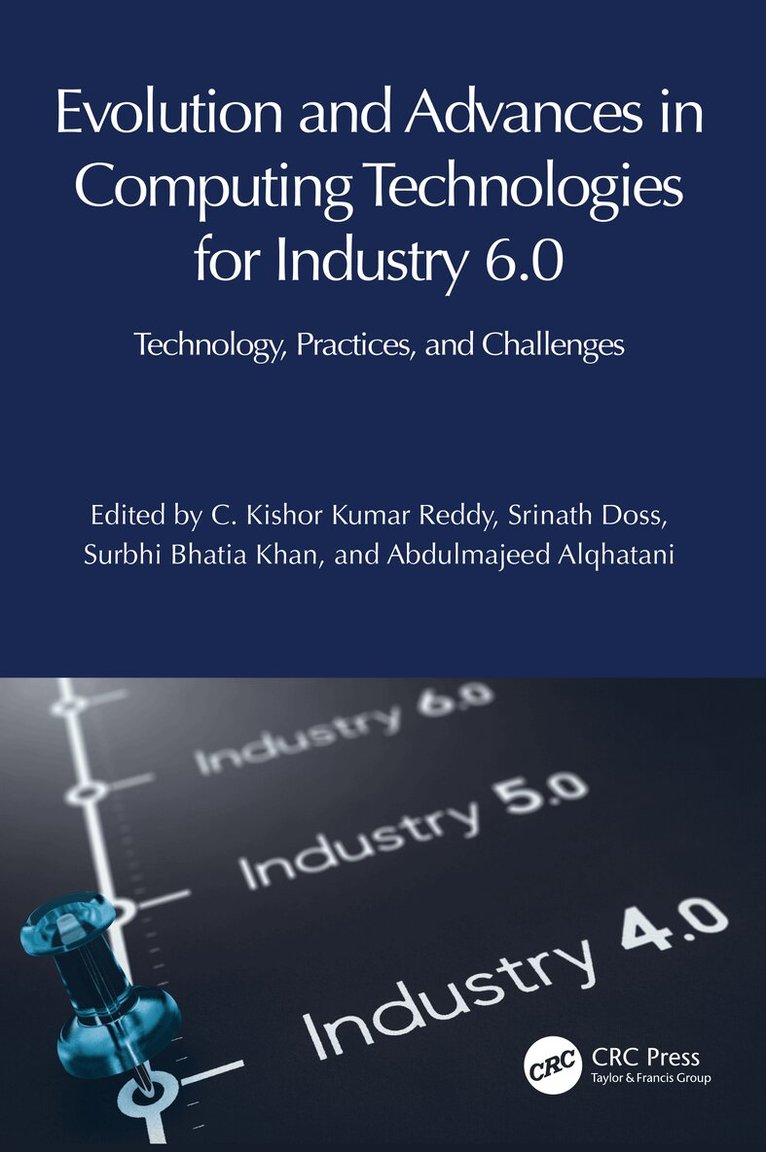
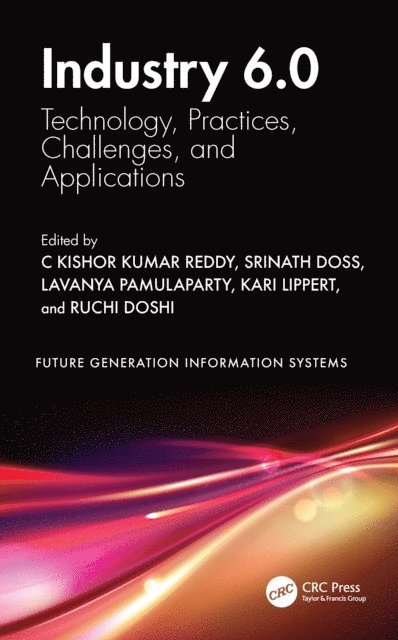
What are the means to create a paradigm shift from conventional to intelligent companies? Industry 6.0: Technology, Practices, Challenges and Applications shows how integrating Industry 6.0 technology with data creates a framework for that shift. The book discusses the limitations, pitfalls, and open research questions in Industry 6.0, as well as the most recent advances, architectures, frameworks, applications, and novel practices, methods, and techniques. These are vital for resolving intelligent Internet of Things issues. There is a special focus on sustainable growth, humanization and environmentally friendly intelligent system applications, and an emphasis on the latest innovations in intelligent systems in classical machine learning, deep learning, Internet of Things (IoT), Industrial Internet of Things (IIoT), blockchain, knowledge representation, knowledge management, big data, and natural language processing (NLP).
Features:
Presents the latest trends in the fields of intelligent systems, machine intelligence, deep learning, and Industrial Internet of Things for smart environments.
Discusses securing the mobile ad hoc network (MANET) by detecting the Intrusions using CSO and XGBoost model.
Highlights the methods of smart things in collaborative autonomous fleets and platforms for integrating applications across different business and industry domains.
Focuses on intelligent process manufacturing, automation using robotics, development of robotic appliances, and smart manufacturing.
Covers data-driven agriculture, crop disease prediction, drip irrigation systems, pesticide and fertilizer sprinkling using the Industrial Internet of Things, and water estimation systems.
With many contemporary articles from both scientists and practitioners working in many fields where intelligent systems and the IIoT can break new ground, the text is assembled to aim at a readership that includes researchers, statisticians, practitioners, scientists, and developers.
1 948 kr
Läs direkt efter köp
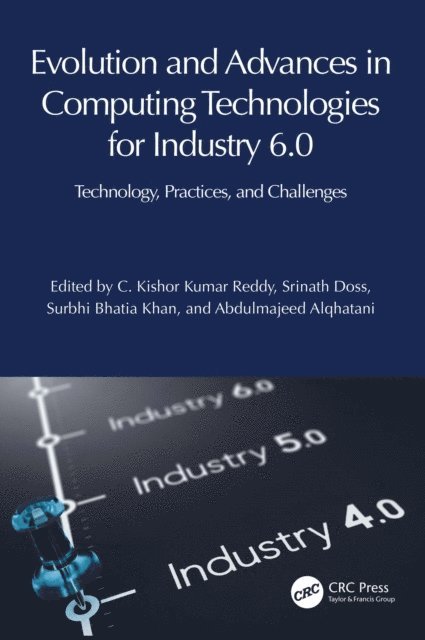
This book provides a comprehensive exploration of Industry 6.0, which marks the convergence of intelligent systems, machine learning (ML), deep learning, and human–robot collaboration (HRC) in various sectors. It focuses on how these technologies enable businesses to harness insights from vast datasets, optimize operations, forecast maintenance requirements, and mitigate outages. In this comprehensive book, the authors cover the major aspects of Industry 6.0, including the latest advances in technology, new applications, and the many challenges that accompany the process that is changing it. This book acts as a compass, guiding readers through the labyrinth of Industry 6.0, revealing the complex interactions between technologies, new applications, innovations, and business ecosystems. From a multidisciplinary perspective, the book explores the far‑reaching impact of Industry 6.0 on the business world, revealing its potential to increase productivity, improve decision‑making, and open new opportunities for development.
Discusses the transformative impact of Industry 6.0 driven by the convergence of artificial intelligence (AI), ML, and the industrial internet of things (IIoT) in manufacturing
Explores the transformative potential of HRC in modern manufacturing, emphasizing the ability of HRC to boost productivity, flexibility, and safety
Compares several service models in cloud computing, with a focus on private, public, and community cloud deployment methods
Presents information about autism spectrum disorder (ASD) in children and the advanced technology of convolutional neural networks used to detect autism in children
Describes the accurate diagnosis of Alzheimer’s disease through integrating state‑of‑the‑art technologies, especially deep learning
Focuses on digital adaptation in India’s agricultural sector, especially Uttar Pradesh, highlighting challenges and prospects
Presents a visionary leap into Agriculture 6.0, where technology and tradition converge for sustainable farming solutions
Provides the mitigation strategies for climate change over multiple locations
Explores the transformative impact of recent computational intelligence advancements in vehicle surveillance and recognition, particularly through CCTV analysis
Focuses on the exploration and development of a supply chain network design (SCND) model of milk products
This book will be of interest to researchers, academics, practitioners, technology providers, undergraduate and postgraduate students, scholars, consultants, advisors, and doctors. It can be used by undergraduate and postgraduate students pursuing Industry 6.0 programs in computer science and engineering across the globe.
1 919 kr
Läs direkt efter köp
This book provides a comprehensive exploration of Industry 6.0, which marks the convergence of intelligent systems, machine learning (ML), deep learning, and human–robot collaboration (HRC) in various sectors. It focuses on how these technologies enable businesses to harness insights from vast datasets, optimize operations, forecast maintenance requirements, and mitigate outages. In this comprehensive book, the authors cover the major aspects of Industry 6.0, including the latest advances in technology, new applications, and the many challenges that accompany the process that is changing it. This book acts as a compass, guiding readers through the labyrinth of Industry 6.0, revealing the complex interactions between technologies, new applications, innovations, and business ecosystems. From a multidisciplinary perspective, the book explores the far‑reaching impact of Industry 6.0 on the business world, revealing its potential to increase productivity, improve decision‑making, and open new opportunities for development.
Discusses the transformative impact of Industry 6.0 driven by the convergence of artificial intelligence (AI), ML, and the industrial internet of things (IIoT) in manufacturing
Explores the transformative potential of HRC in modern manufacturing, emphasizing the ability of HRC to boost productivity, flexibility, and safety
Compares several service models in cloud computing, with a focus on private, public, and community cloud deployment methods
Presents information about autism spectrum disorder (ASD) in children and the advanced technology of convolutional neural networks used to detect autism in children
Describes the accurate diagnosis of Alzheimer’s disease through integrating state‑of‑the‑art technologies, especially deep learning
Focuses on digital adaptation in India’s agricultural sector, especially Uttar Pradesh, highlighting challenges and prospects
Presents a visionary leap into Agriculture 6.0, where technology and tradition converge for sustainable farming solutions
Provides the mitigation strategies for climate change over multiple locations
Explores the transformative impact of recent computational intelligence advancements in vehicle surveillance and recognition, particularly through CCTV analysis
Focuses on the exploration and development of a supply chain network design (SCND) model of milk products
This book will be of interest to researchers, academics, practitioners, technology providers, undergraduate and postgraduate students, scholars, consultants, advisors, and doctors. It can be used by undergraduate and postgraduate students pursuing Industry 6.0 programs in computer science and engineering across the globe.
1 022 kr
Läs direkt efter köp
1 052 kr
Läs direkt efter köp
2 590 kr
Skickas inom 10-15 vardagar
1 502 kr
Kommande
1 849 kr
Skickas inom 10-15 vardagar
2 384 kr
Läs direkt efter köp
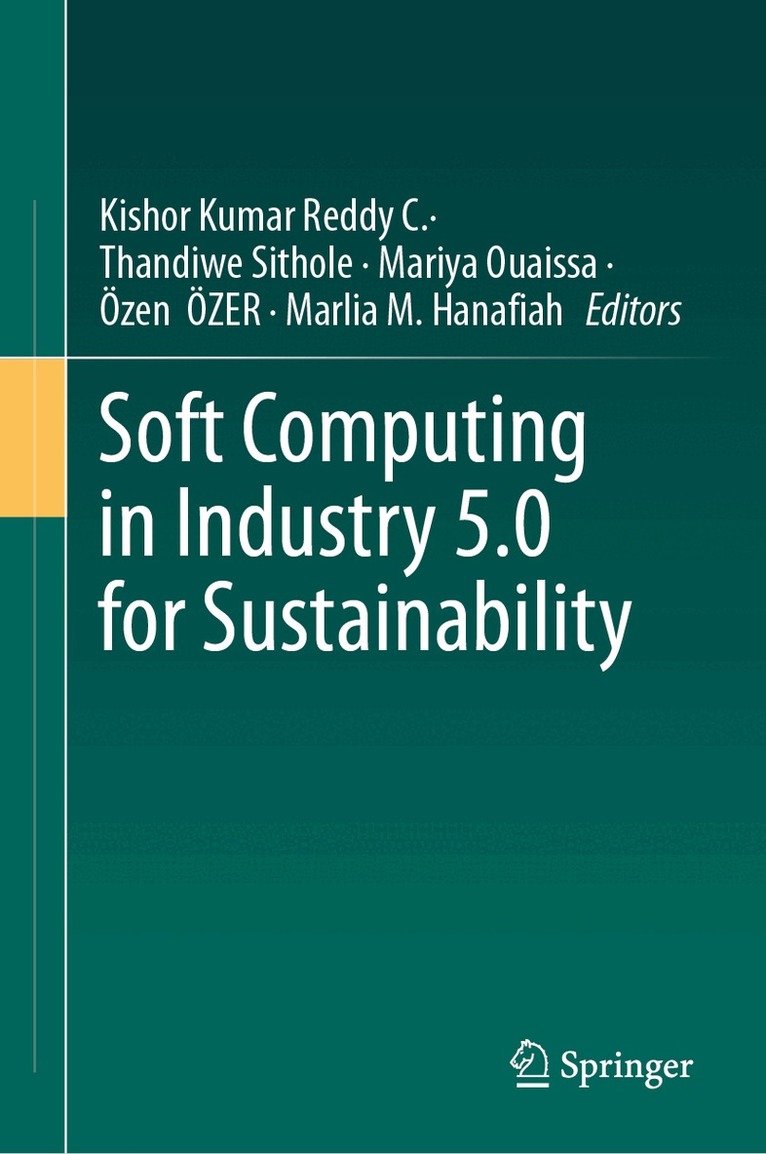
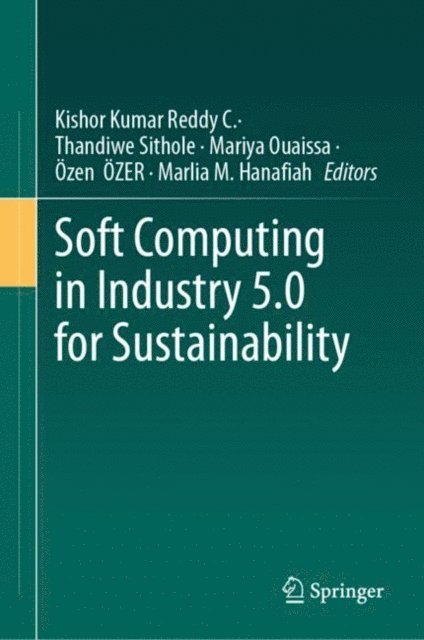
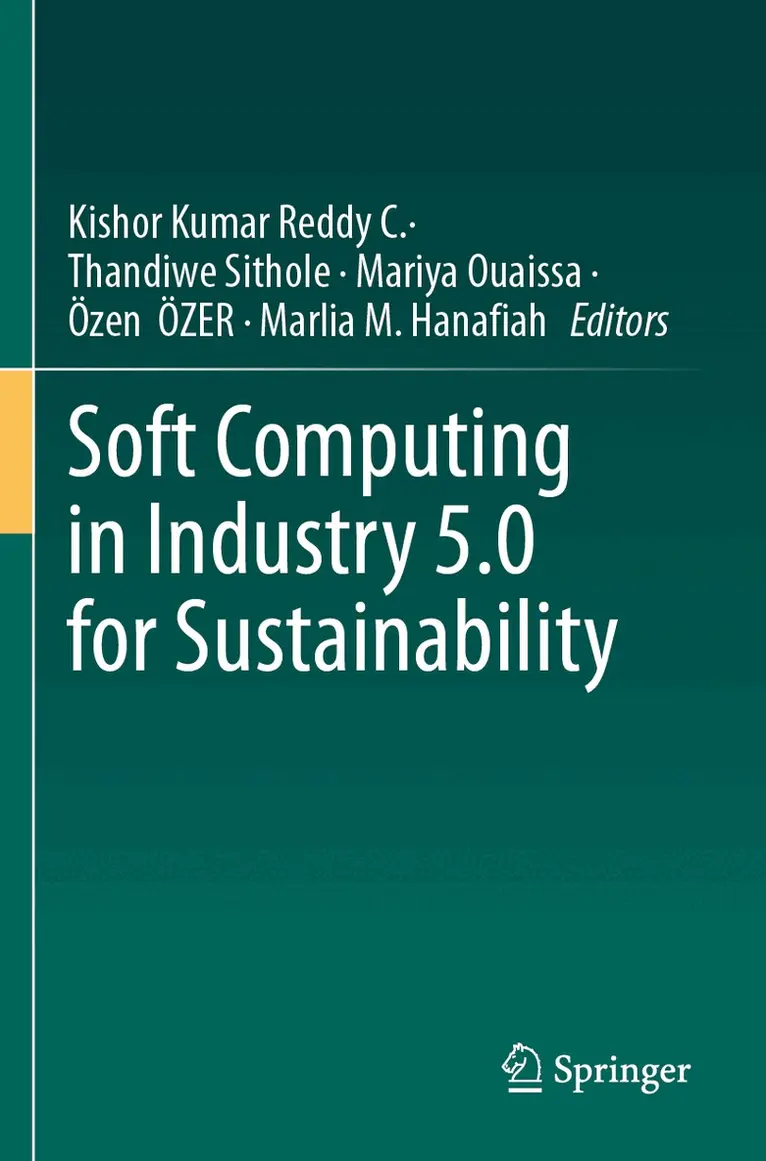
Soft computing and Industry 5.0 are two distinct concepts that, when combined, can have a significant impact on sustainability initiatives within various industries. Soft computing is a subfield of artificial intelligence (AI) that aims to address problems characterized by uncertainty, imprecision, and partial truth. It encompasses various computational techniques, such as fuzzy logic, neural networks, genetic algorithms, and machine learning, which enable machines to deal with complex and uncertain data in a more human-like manner. Soft computing techniques are particularly valuable in sustainability efforts because they can handle non-linear relationships and uncertain data that often arise in environmental and social contexts. For example, they can be used to optimize energy consumption, waste management, and resource allocation in industries by considering various factors and trade-offs.
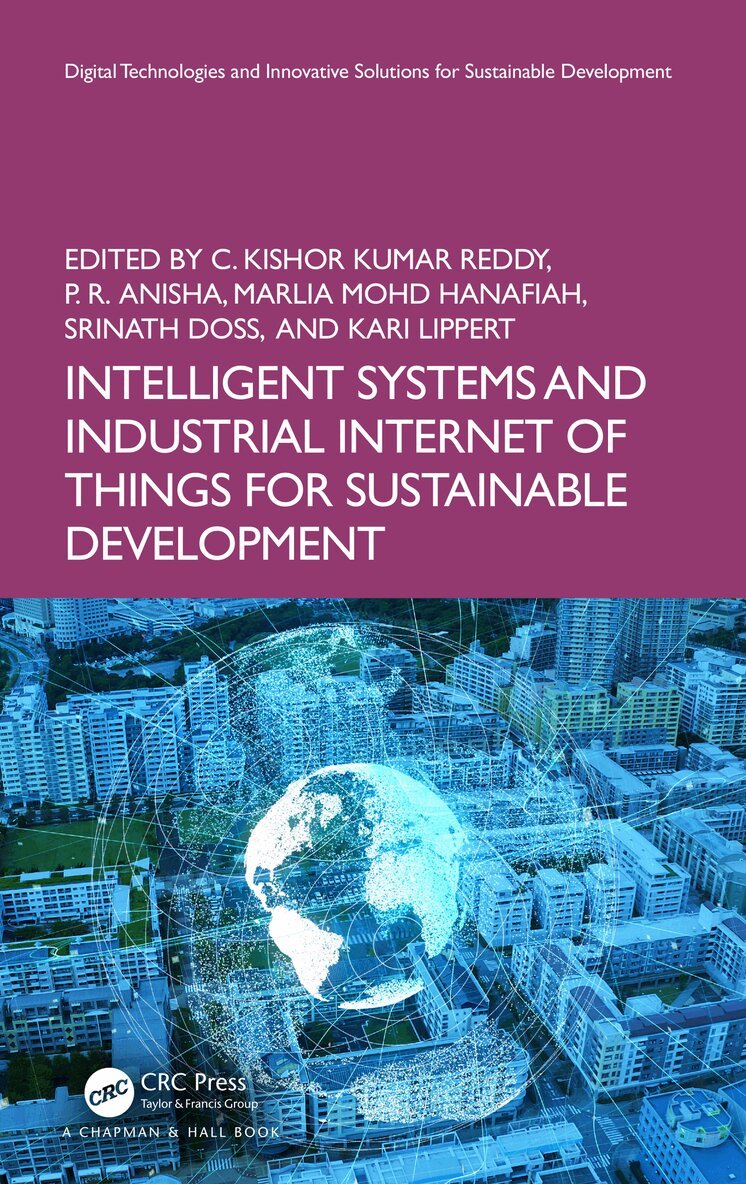
The book highlights the latest innovations in intelligent systems in classical machine learning, deep learning, Internet of Things (IoT), Industrial Internet of Things (IIoT), blockchain, knowledge representation, knowledge management, big data, and natural language processing. (NLP). The book contains many contemporary articles from both scientists and practitioners working in many fields where soft computing, intelligent systems and the IIoT can break new ground. Intelligent systems and the Internet of Things are now essential technologies in almost every field. From agriculture to industry to healthcare, the scope of smart systems and IIoT is as wide as the horizon. Nowadays, these technologies are extensively used in developed countries, but they are still at an early stage in emerging countries.
The primary market of this book is senior undergraduate students, post graduate students, practitioners, researchers, academicians, industrialists, and professionals working in areas of core computer science, electrical engineering, mechanical engineering, environmental engineering and agricultural engineering. The secondary audience of this book is individuals working in the areas of manufacturing, agriculture, remote sensing, environmental engineering, health care, smart cities, smart farming, remote sensing, supply chain management and hydrology.
1 849 kr
Skickas inom 10-15 vardagar
2 499 kr
Skickas inom 10-15 vardagar