Dystopian fiction captivates us by depicting future worlds at once eerily similar and shockingly foreign to our own. This collection of new essays presents some of the most recent scholarship on a genre whose popularity has surged dramatically since the 1990s. Contributors explore such novels as The Lord of the Flies, The Heart Goes Last, The Giver and The Strain Trilogy as social critique, revealing how they appeal to the same impulse as utopian fiction: the desire for an idealized yet illusory society in which evil is purged and justice prevails.
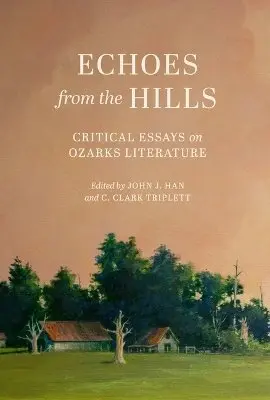
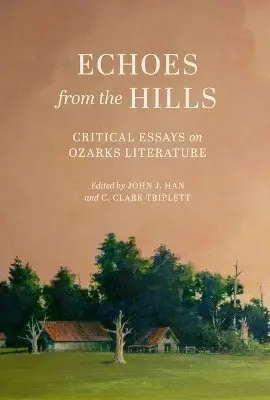
Echoes from the Hills: Critical Essays on Ozarks Literature offers an in-depth critical examination of Ozarks writing through literary, ecological, cultural, and theoretical perspectives. Comprising sixteen essays, this collection marks a shift in Ozarks studies from archival recovery and author-focused scholarship toward more considered literary criticism, demonstrating that Ozarks literature is a dynamic field capable of serious interpretive work.Organized around themes such as arcadian myth, connection to place, ecocriticism, postcolonialism, and noir, the essays place Ozarks texts in conversation with broader debates in American literary studies and the environmental humanities. Discussions of writers such as Daniel Woodrell and Sue Hubbell, along with attention to visual culture and film, including the Oscar-winning Minari, highlight how regional stories engage issues of land use, environmental strain, economic precarity, and cultural displacement.The collection also broadens the field by addressing gaps in representation and including a wide range of voices and perspectives. Bringing together scholars from both within and beyond the region, Echoes from the Hills presents Ozarks literature as an evolving component of American literary scholarship, one that reflects the complex intersections of place, memory, identity, and cultural change.
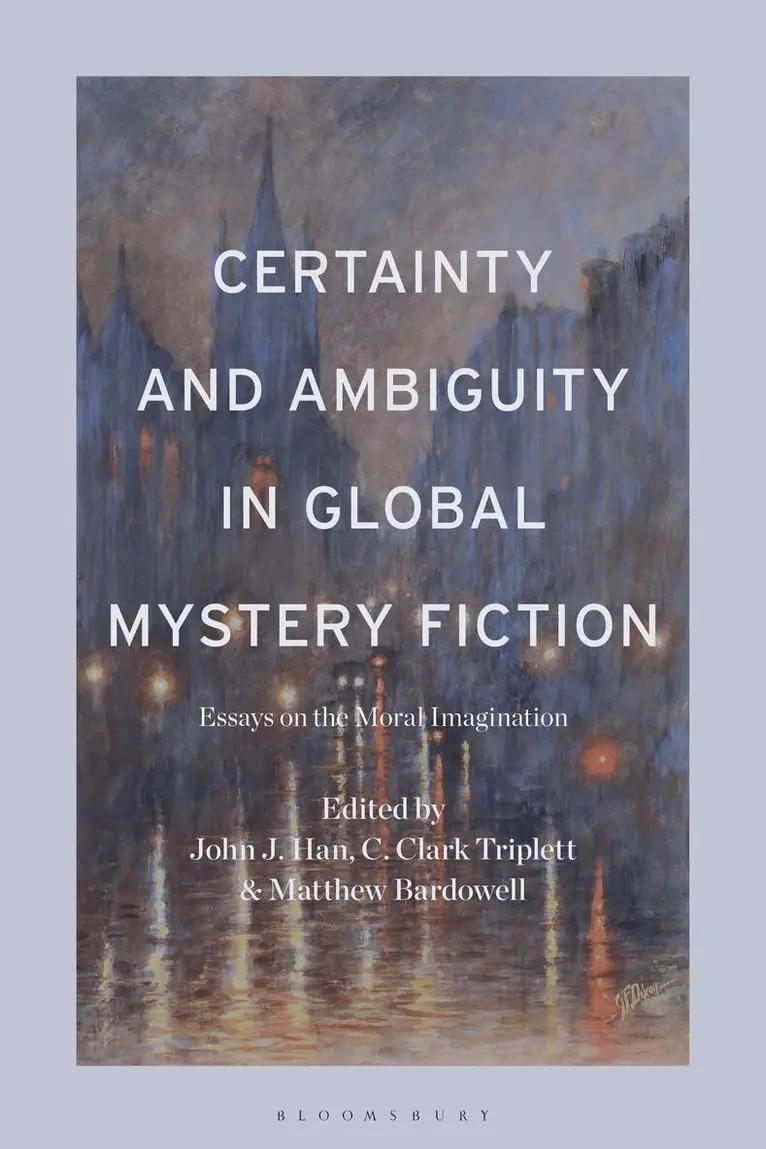
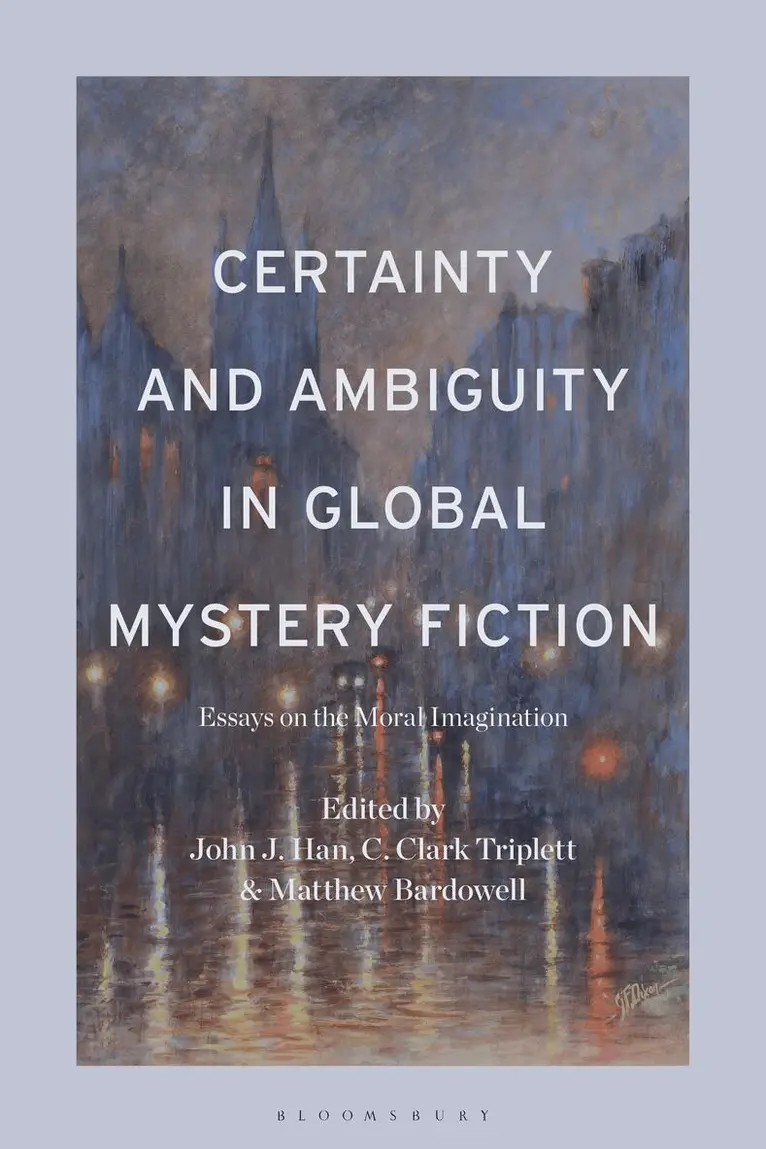
Mystery fiction as a genre renders moral judgments not only about detectives and criminals but also concerning the cultural structures within which these mysteries unfold.In contrast to other volumes which examine morality in crime fiction through the lenses of personal guilt and personal justice, Certainty and Ambiguity in Global Mystery Fiction analyzes the effect of moral imagination on the moral structures implicit in the genre. In recent years, public awareness has attended to the relationship between social structures and justice, and this collection centers on how personal ethics and social ethics are bound together amidst the shifting moral landscapes of mystery fiction.Contributors discuss the interplay between personal guilt and social guilt – considering morality and justice on an individual level and at a societal level – using frameworks of certainty and ambiguity. They show how individual characters in works by Agatha Christie, Gabriel García Márquez, Natsuo Kirino, F.H. Batacan, and Stephen King, among others, may view their moral standing with certainty but clash with the established mores of their culture. Featuring essays on Japanese, Filipino, Indian, and Colombian mystery fiction, as well as American and British fiction, this volume analyzes social guilt and justice across cultures, showing how individuals grapple with the certainty, and, at times, the moral ambiguity, of their respective cultures.