753 kr
Skickas inom 10-15 vardagar
753 kr
Skickas inom 10-15 vardagar
713 kr
Skickas inom 7-10 vardagar
1 911 kr
Skickas inom 10-15 vardagar
578 kr
Skickas inom 7-10 vardagar
1 591 kr
Skickas inom 10-15 vardagar
678 kr
Läs direkt efter köp
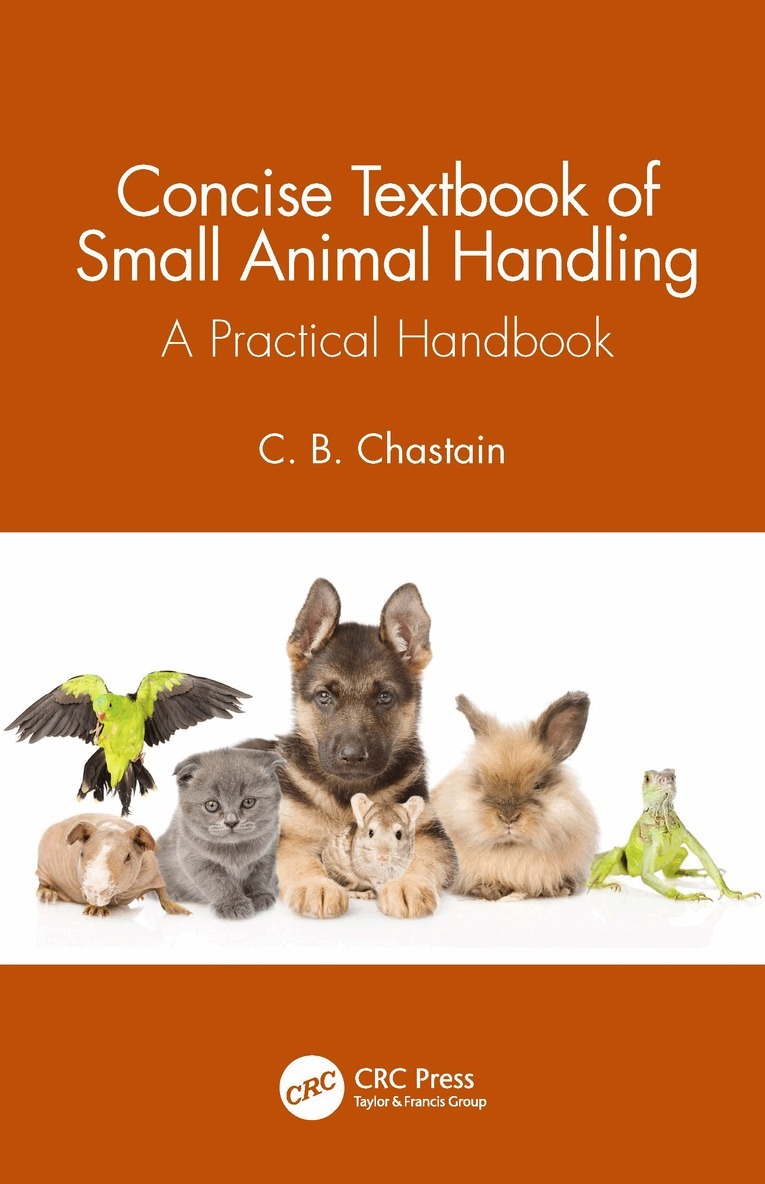
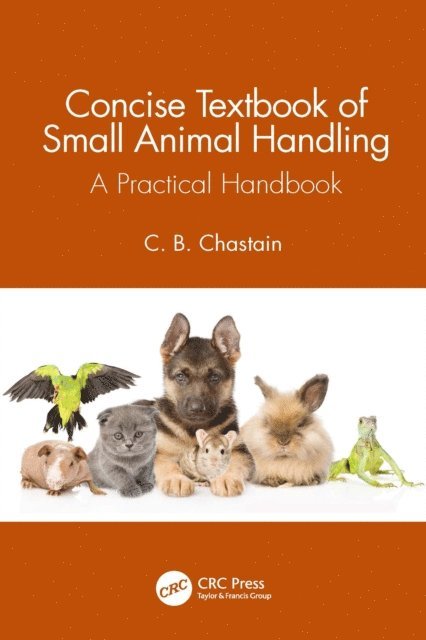
This instructional pocket reference condenses the most important aspects of small animal handling. It provides a portable, durable means of learning ''on the ground'', as well as a convenient way to refresh on how to strive for safety and efficacy in animal handling techniques. Spiralbound for practical use at the animal’s side during veterinary placements in a clinic or laboratory, the text covers:
Handler safety Animal safety Sanitation Approach and capture Routine handling and release procedures Handling for medical procedures Use and supply sources of restraint equipmentA Companion Website provides additional self-assessment questions and answers to aid learning. Important reading for undergraduate veterinary students as well as practicing technicians, nurses and assistants, the book instructs on safe and humane handling of species encountered in both small animal practice and laboratory settings.
You can hear the author discuss the topics covered in this book on his weekly podcast ‘Better Animal Handling’: https://www.betteranimalhandling.com/
663 kr
Läs direkt efter köp
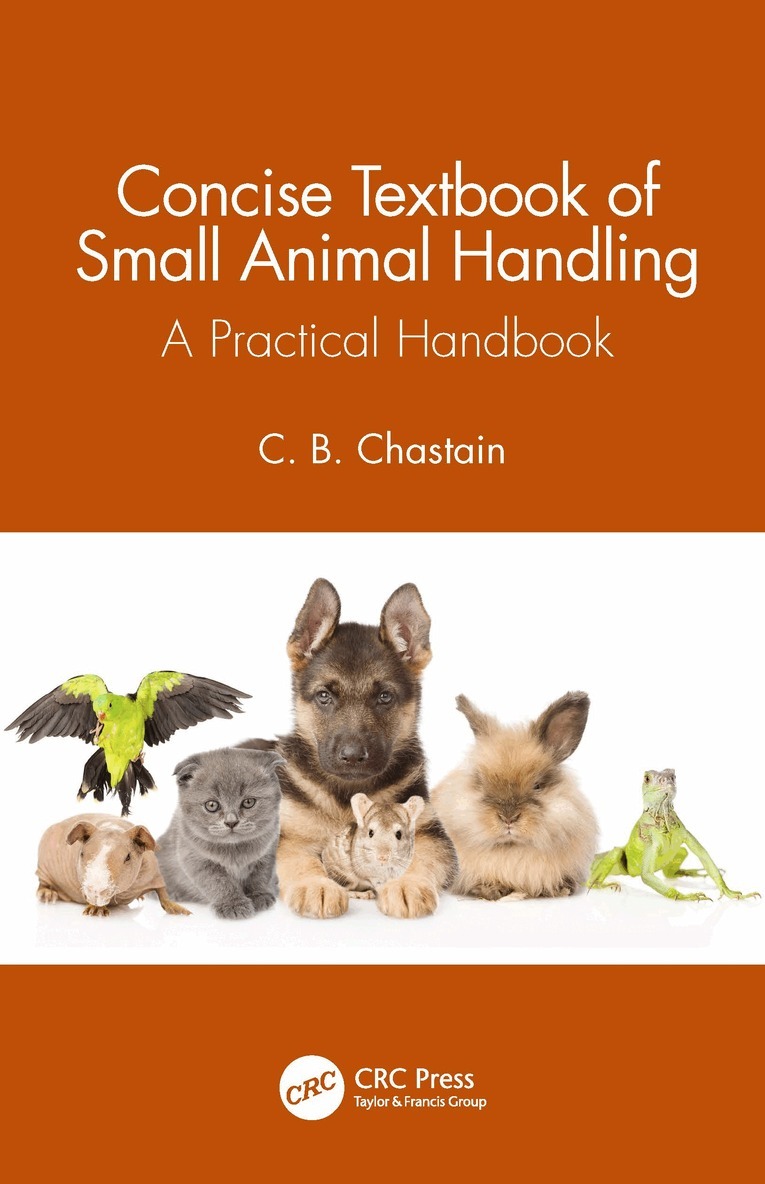
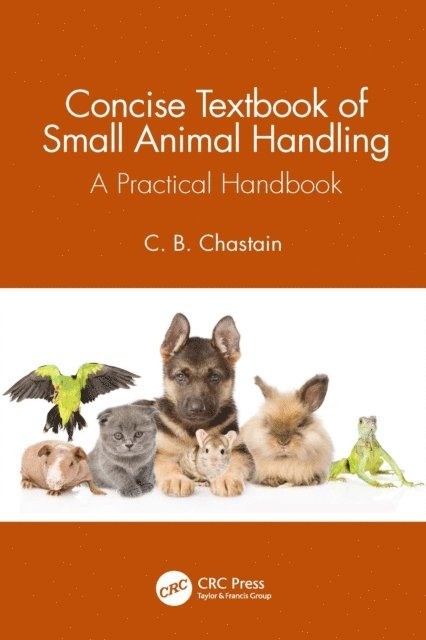
This instructional pocket reference condenses the most important aspects of small animal handling. It provides a portable, durable means of learning ''on the ground'', as well as a convenient way to refresh on how to strive for safety and efficacy in animal handling techniques. Spiralbound for practical use at the animal’s side during veterinary placements in a clinic or laboratory, the text covers:
Handler safety Animal safety Sanitation Approach and capture Routine handling and release procedures Handling for medical procedures Use and supply sources of restraint equipmentA Companion Website provides additional self-assessment questions and answers to aid learning. Important reading for undergraduate veterinary students as well as practicing technicians, nurses and assistants, the book instructs on safe and humane handling of species encountered in both small animal practice and laboratory settings.
You can hear the author discuss the topics covered in this book on his weekly podcast ‘Better Animal Handling’: https://www.betteranimalhandling.com/
820 kr
Läs direkt efter köp
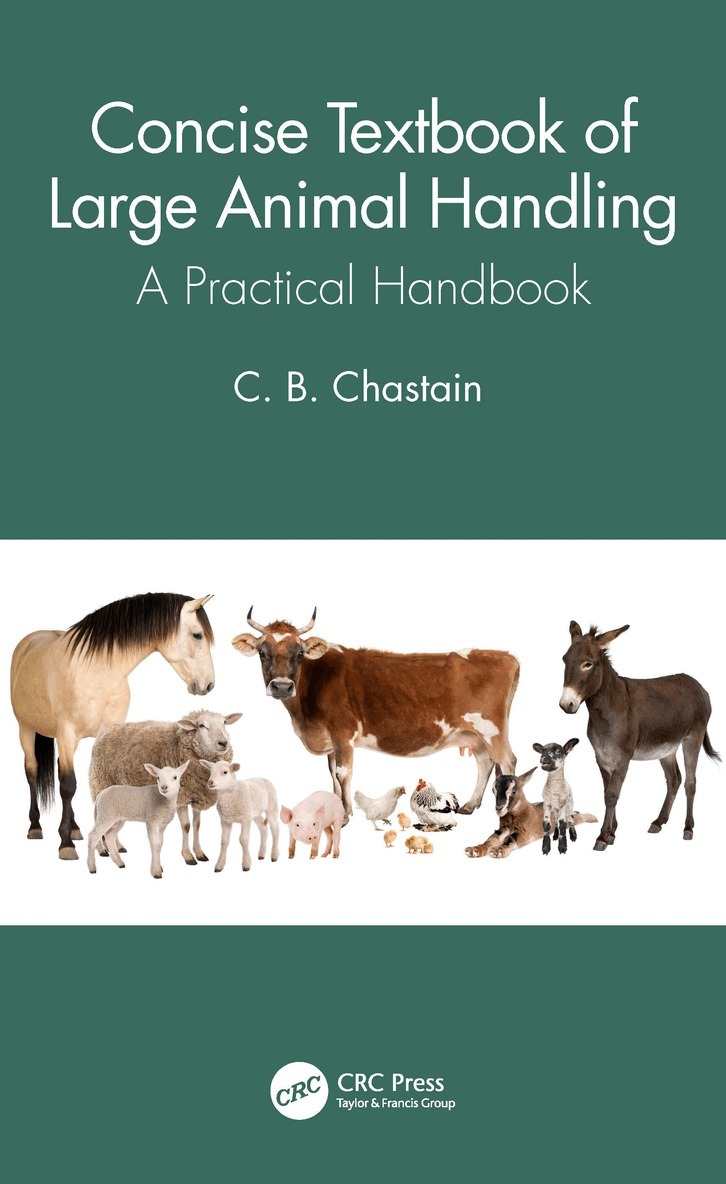
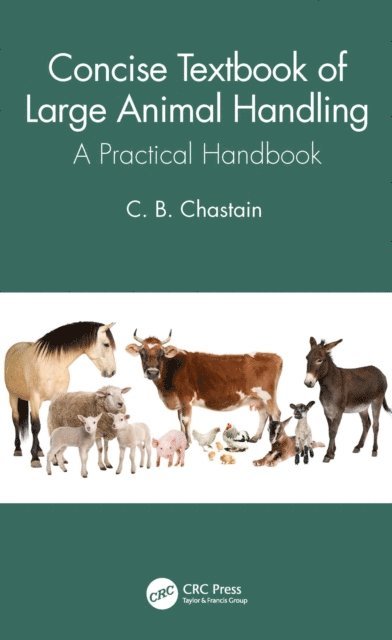
This concise instructional guide condenses the most important aspects of large animal handling. It provides a portable, durable, beside-the-animal means of learning, as well as a convenient way to refresh on how to strive for safety and efficacy in animal handling techniques. It is ideal for use during veterinary placements in all settings from farm to laboratory, to riding school. The text covers:
Handler safety Animal safety Sanitation Approach and capture Routine handling and release procedures Handling for medical procedures Use and supply sources of restraint equipmentA Companion Website provides additional self-assessment questions and answers to aid learning.
Important reading for undergraduate veterinary students on EMS rotations, as well as practicing veterinarians, technicians, and assistants, the book covers species encountered in farm, equine, and laboratory settings.
You can hear the author discuss the topics covered in this book on his weekly podcast ‘Better Animal Handling’: https://www.betteranimalhandling.com/
838 kr
Läs direkt efter köp
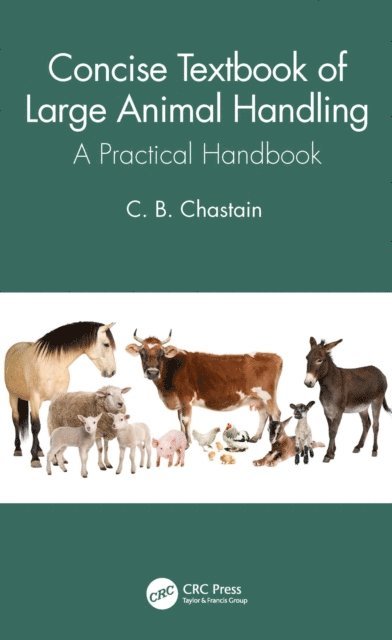
This concise instructional guide condenses the most important aspects of large animal handling. It provides a portable, durable, beside-the-animal means of learning, as well as a convenient way to refresh on how to strive for safety and efficacy in animal handling techniques. It is ideal for use during veterinary placements in all settings from farm to laboratory, to riding school. The text covers:
Handler safety Animal safety Sanitation Approach and capture Routine handling and release procedures Handling for medical procedures Use and supply sources of restraint equipmentA Companion Website provides additional self-assessment questions and answers to aid learning.
Important reading for undergraduate veterinary students on EMS rotations, as well as practicing veterinarians, technicians, and assistants, the book covers species encountered in farm, equine, and laboratory settings.
You can hear the author discuss the topics covered in this book on his weekly podcast ‘Better Animal Handling’: https://www.betteranimalhandling.com/
698 kr
Läs direkt efter köp
Key features:
Stresses safety in handling, restraint, and containment of animalsCovers handling and restraint of all domestic and common tamed animals and provides information on normal animal behavior and welfareDiscusses how to recognize signs in animals of poor handling and containmentReviews zoonotic disease risks to animal handlers, particularly from normal-appearing animals, and how to avoid transmission of diseaseFeatures over 200 informative line drawings for clarity and simplicity of illustrationExplains how to tie useful knots and hitches and when to use them for restraintIncludes basic ethical considerations and legal liabilities of animal handling and containmentPresents steps to prevent animal escapes, barn fires, and problems with transportAuthored by an experienced veterinary educator in clinical medicine for veterinarians, veterinary students, pre-veterinary students, veterinary technicians and technologists, animal scientists, and animal ownersProper handling and restraint are essential to the welfare of captive animals, allowing them to be examined, groomed and treated in ways that contribute to their optimum quantity and quality of life. The aim of the book is to prepare future or current veterinarians and veterinary technologists, technicians/nurses, and assistants to be able to handle animals more safely and gain the confidence of animals and their owners. In turn, they will be able to instruct owners in proper animal handling methods, reducing the risk of physical injury or mutual infectious diseases.
Throughout the book, the author emphasises that each animal is an individual and each handling environment provides its own advantages and disadvantages: handling an animal safely, humanely and efficiently requires practical knowledge of the species’ normal behaviour. This is explored in detail in each of the species-based chapters, which cover proper handling of domestic household and laboratory animals, as well as farm and ranch animals where safe handling aids the producer in both humane practice and greater profitability.
After reading this book, the practitioner or student will be versed in the most basic part of the art of veterinary medicine: the safe handling of animals.
3 205 kr
Skickas inom 10-15 vardagar
709 kr
Läs direkt efter köp
Key features:
Stresses safety in handling, restraint, and containment of animalsCovers handling and restraint of all domestic and common tamed animals and provides information on normal animal behavior and welfareDiscusses how to recognize signs in animals of poor handling and containmentReviews zoonotic disease risks to animal handlers, particularly from normal-appearing animals, and how to avoid transmission of diseaseFeatures over 200 informative line drawings for clarity and simplicity of illustrationExplains how to tie useful knots and hitches and when to use them for restraintIncludes basic ethical considerations and legal liabilities of animal handling and containmentPresents steps to prevent animal escapes, barn fires, and problems with transportAuthored by an experienced veterinary educator in clinical medicine for veterinarians, veterinary students, pre-veterinary students, veterinary technicians and technologists, animal scientists, and animal ownersProper handling and restraint are essential to the welfare of captive animals, allowing them to be examined, groomed and treated in ways that contribute to their optimum quantity and quality of life. The aim of the book is to prepare future or current veterinarians and veterinary technologists, technicians/nurses, and assistants to be able to handle animals more safely and gain the confidence of animals and their owners. In turn, they will be able to instruct owners in proper animal handling methods, reducing the risk of physical injury or mutual infectious diseases.
Throughout the book, the author emphasises that each animal is an individual and each handling environment provides its own advantages and disadvantages: handling an animal safely, humanely and efficiently requires practical knowledge of the species’ normal behaviour. This is explored in detail in each of the species-based chapters, which cover proper handling of domestic household and laboratory animals, as well as farm and ranch animals where safe handling aids the producer in both humane practice and greater profitability.
After reading this book, the practitioner or student will be versed in the most basic part of the art of veterinary medicine: the safe handling of animals.