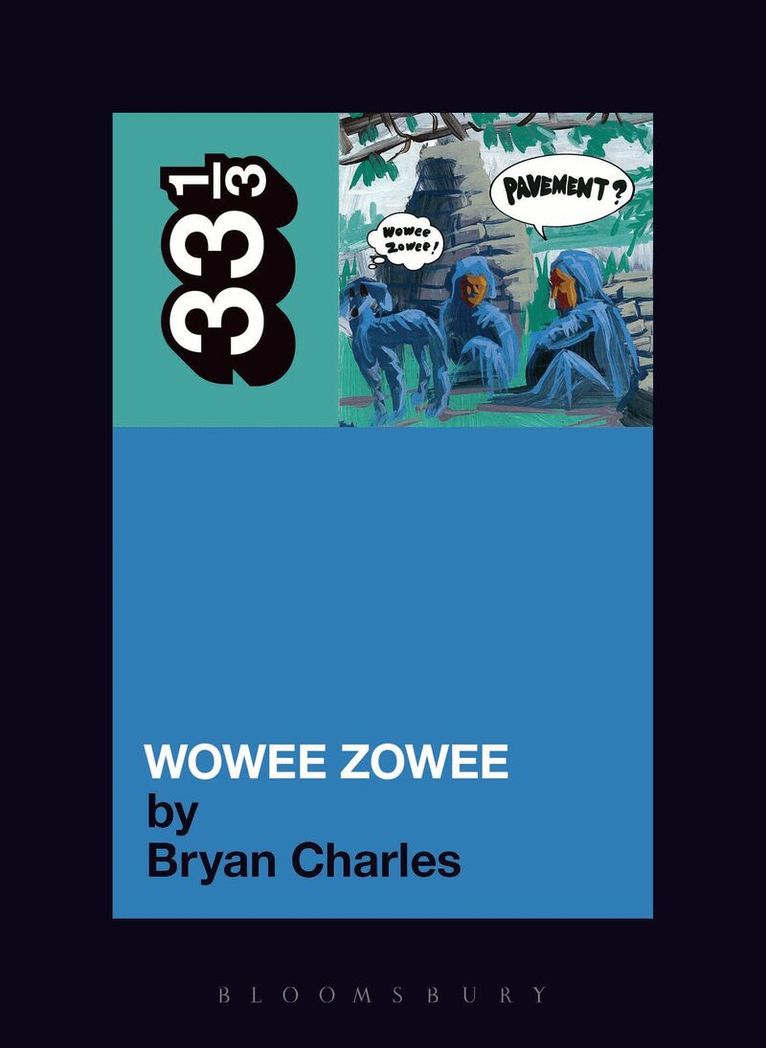
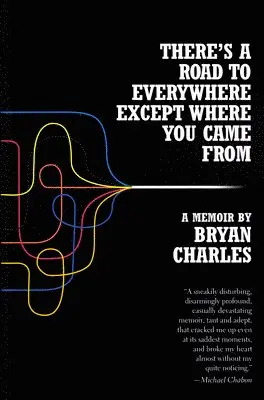
This title presents a compelling examination of the classic "Pavement" album, including interviews with all band members and record label staff. Upon its release in 1995, Wowee Zowee confounded a lot of "Pavement"'s fans. And yet, over the subsequent years, it's an album that has come to be acclaimed by many as an alternative rock masterpiece. Bryan Charles talks to the people who made the record and those close to them at the time, letting them tell the story of how the record came to be, how they felt about it then and how they feel about it now. Charles pays close attention to Malkmus' growth as a musician and songwriter, both of which are evident everywhere on Wowee Zowee. He demonstrates how Malkmus essentially throws words together on the spot, often while tape is rolling or he's standing on stage, and argues that this shows an extraordinary verbal gift rare enough in the field of literature, to say nothing of rock and roll. 'A growing Alexandria of rock criticism' - "Los Angeles Times", 2008. 'This title is ideal for the rock geek who thinks liner notes just aren't enough' - "Rolling Stone". 'One of the coolest publishing imprints on the planet' - "Bookslut".For more information on the series and on individual titles in the series, check out our blog.
Pavement wrapped up at Easley Recording in Memphis. They mixed the tracks and recorded overdubs in New York. They took a step back and assessed the material. It was a wild scene. They had fully fleshed-out songs and whispers and rumors of half-formed ones. They had songs that followed a hard-to-gauge internal logic. They had punk tunes and country tunes and sad tunes and funny ones. They had fuzzy pop and angular new wave. They had raunchy guitar solos and stoner blues. They had pristine jangle and pedal steel. The final track list ran to eighteen songs and filled three sides of vinyl. Released in 1995, on the heels of two instant classics, Wowee Zowee confounded Pavement''s audience. Yet the record has grown in stature and many diehard fans now consider it Pavement''s best. Weaving personal history and reporting-including extensive new interviews with the band-Bryan Charles goes searching for the story behind the record and finds a piece of art as elusive, anarchic and transportive now as it was then.
Pavement wrapped up at Easley Recording in Memphis. They mixed the tracks and recorded overdubs in New York. They took a step back and assessed the material. It was a wild scene. They had fully fleshed-out songs and whispers and rumors of half-formed ones. They had songs that followed a hard-to-gauge internal logic. They had punk tunes and country tunes and sad tunes and funny ones. They had fuzzy pop and angular new wave. They had raunchy guitar solos and stoner blues. They had pristine jangle and pedal steel. The final track list ran to eighteen songs and filled three sides of vinyl. Released in 1995, on the heels of two instant classics, Wowee Zowee confounded Pavement''s audience. Yet the record has grown in stature and many diehard fans now consider it Pavement''s best. Weaving personal history and reporting-including extensive new interviews with the band-Bryan Charles goes searching for the story behind the record and finds a piece of art as elusive, anarchic and transportive now as it was then.