1 166 kr
Skickas
1 166 kr
Skickas
266 kr
Läs direkt efter köp
1 459 kr
Läs direkt efter köp
1 127 kr
Skickas inom 10-15 vardagar
1 309 kr
Skickas inom 7-10 vardagar
713 kr
Läs direkt efter köp
718 kr
Läs direkt efter köp
788 kr
Läs direkt efter köp
788 kr
Läs direkt efter köp
1 223 kr
Skickas inom 3-6 vardagar
2 658 kr
Skickas inom 7-10 vardagar
604 kr
Läs direkt efter köp
1 041 kr
Skickas inom 7-10 vardagar
3 130 kr
Skickas inom 7-10 vardagar
675 kr
Läs direkt efter köp
1 090 kr
Skickas inom 10-15 vardagar
1 632 kr
Skickas inom 10-15 vardagar
2 526 kr
Skickas inom 10-15 vardagar
754 kr
Skickas inom 10-15 vardagar
2 571 kr
Skickas inom 10-15 vardagar
2 601 kr
Skickas inom 10-15 vardagar
1 223 kr
Läs direkt efter köp
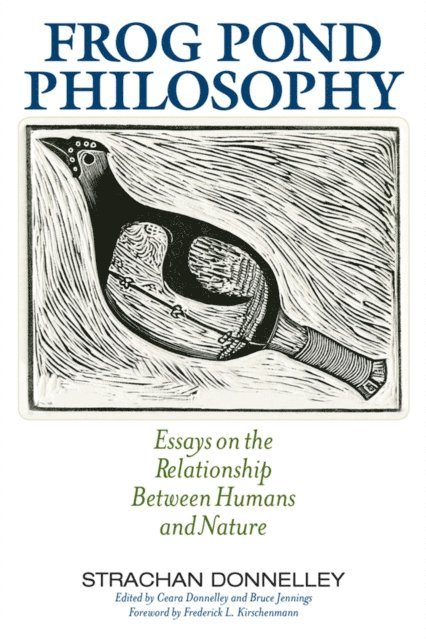
The philanthropist and philosopher Strachan Donnelley (1942--2008) devoted his life to studying the complex relationship between humans and nature. Founder and first president of the Center for Humans and Nature, Donnelley was a pioneer in the exploration and promotion of the idea that human beings individually and collectively have moral and civic responsibilities to natural ecosystems.
In this wide-ranging volume, Donnelley traces the connections between influential figures such as Aldo Leopold and Charles Darwin, as well as lesser-known but original thinkers that he met during the course of a full life -- ministers at his church, friends with whom he fished, and colleagues who shared his passion for research and writing. He grounds his work in classic philosophers such as Descartes, Spinoza, and Whitehead and reinterprets their writings about the natural world to develop a conservation-centered philosophy, which he dubs "democratic ecological citizenship."
Edited by his daughter, Ceara Donnelley, and Bruce Jennings, Frog Pond Philosophy illuminates the dominant strands of Donnelley''s intellectual identity as a philosopher, naturalist, agitator, and spiritualist. Despite his often grim depiction of the current state of the environment, Donnelly never surrenders his faith in humanity''s ability to meet its ethical obligations to conserve, respect, and nurture the complexity and diversity of the natural world. His vivid and personal essays, rooted in everyday experiences, offer a distinctive perspective on questions of urgent contemporary importance.
459 kr
Läs direkt efter köp
The philanthropist and philosopher Strachan Donnelley (1942--2008) devoted his life to studying the complex relationship between humans and nature. Founder and first president of the Center for Humans and Nature, Donnelley was a pioneer in the exploration and promotion of the idea that human beings individually and collectively have moral and civic responsibilities to natural ecosystems.
In this wide-ranging volume, Donnelley traces the connections between influential figures such as Aldo Leopold and Charles Darwin, as well as lesser-known but original thinkers that he met during the course of a full life -- ministers at his church, friends with whom he fished, and colleagues who shared his passion for research and writing. He grounds his work in classic philosophers such as Descartes, Spinoza, and Whitehead and reinterprets their writings about the natural world to develop a conservation-centered philosophy, which he dubs "democratic ecological citizenship."
Edited by his daughter, Ceara Donnelley, and Bruce Jennings, Frog Pond Philosophy illuminates the dominant strands of Donnelley''s intellectual identity as a philosopher, naturalist, agitator, and spiritualist. Despite his often grim depiction of the current state of the environment, Donnelly never surrenders his faith in humanity''s ability to meet its ethical obligations to conserve, respect, and nurture the complexity and diversity of the natural world. His vivid and personal essays, rooted in everyday experiences, offer a distinctive perspective on questions of urgent contemporary importance.
517 kr
Skickas inom 3-6 vardagar
815 kr
Skickas inom 7-10 vardagar
1 029 kr
Skickas inom 3-6 vardagar
877 kr
Läs direkt efter köp
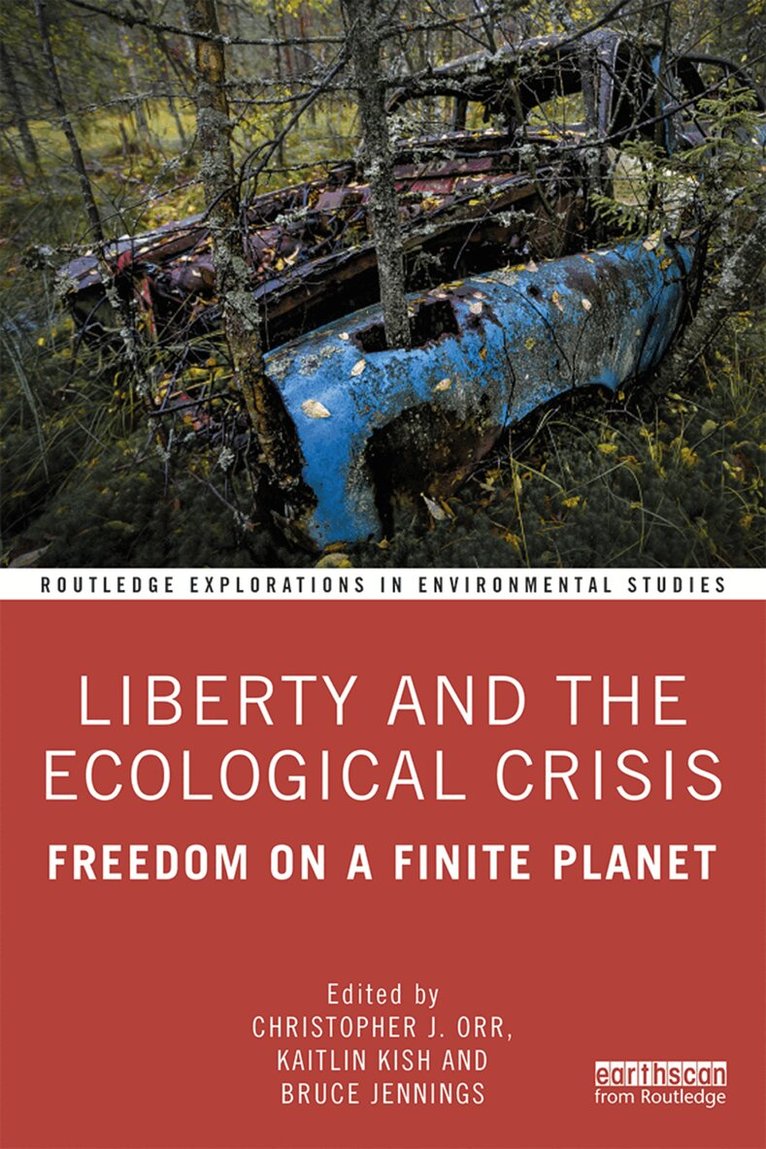
This book examines the concept of liberty in relation to civilization’s ability to live within ecological limits.
Freedom, in all its renditions – choice, thought, action – has become inextricably linked to our understanding of what it means to be modern citizens. And yet, it is our relatively unbounded freedom that has resulted in so much ecological devastation. Liberty has piggy-backed on transformations in human–nature relationships that characterize the Anthropocene: increasing extraction of resources, industrialization, technological development, ecological destruction, and mass production linked to global consumerism. This volume provides a deeply critical examination of the concept of liberty as it relates to environmental politics and ethics in the long view. Contributions explore this entanglement of freedom and the ecological crisis, as well as investigate alternative modernities and more ecologically benign ways of living on Earth. The overarching framework for this collection is that liberty and agency need to be rethought before these strongly held ideals of our age are forced out. On a finite planet, our choices will become limited if we hope to survive the climatic transitions set in motion by uncontrolled consumption of resources and energy over the past 150 years. This volume suggests concrete political and philosophical approaches and governance strategies for learning how to flourish in new ways within the ecological constraints of the planet.
Mapping out new ways forward for long-term ecological well-being, this book is essential reading for students and scholars of ecology, environmental ethics, politics, and sociology, and for the wider audience interested in the human–Earth relationship and global sustainability.
815 kr
Skickas inom 10-15 vardagar
833 kr
Skickas inom 10-15 vardagar