1 601 kr
Skickas inom 7-10 vardagar
1 601 kr
Skickas inom 7-10 vardagar
371 kr
Skickas inom 7-10 vardagar
262 kr
Läs direkt efter köp
264 kr
Läs direkt efter köp
888 kr
Skickas inom 7-10 vardagar
265 kr
Skickas inom 7-10 vardagar
835 kr
Skickas inom 10-15 vardagar
2 426 kr
Skickas inom 10-15 vardagar
382 kr
Skickas inom 10-15 vardagar
341 kr
Skickas inom 10-15 vardagar
Families, Schools and Persisting Stratification
1 799 kr
Skickas inom 7-10 vardagar
1 646 kr
Skickas inom 7-10 vardagar
222 kr
Skickas inom 7-10 vardagar
276 kr
Skickas inom 7-10 vardagar
2 515 kr
Skickas inom 10-15 vardagar
939 kr
Läs direkt efter köp
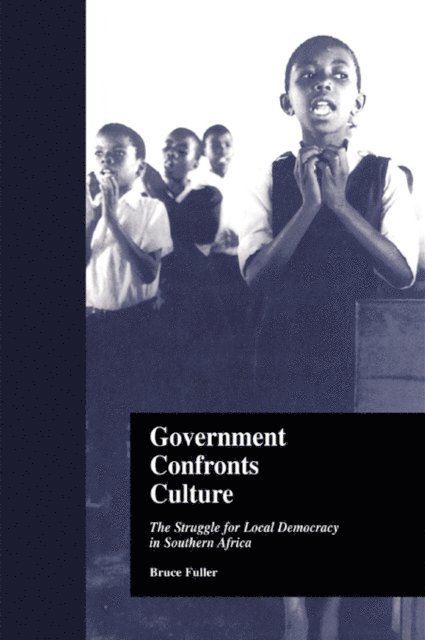
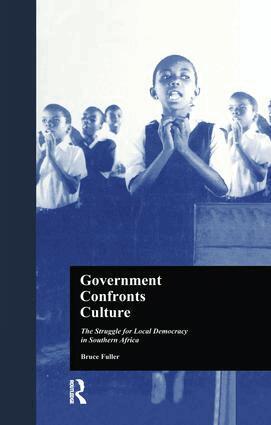
Transitional societies—struggling to build democratic institutions and new political traditions—are faced with a painful dilemma. How can Government become strong and effective, building a common good that unites disparate ethnic and class groups, while simultaneously nurturing democratic social rules at the grassroots? Professor Fuller brings this issue to light in the contentious, multicultural setting of Southern Africa. Post-apartheid states, like South Africa and Namibia, are pushing hard to raise school quality, reduce family poverty, and equalize gender relations inside villages and townships. But will democratic participation blossom at the grassroots as long as strong central states—so necessary for defining the common good—push universal policies onto diverse local communities? This book builds from a decade of family surveys and qualitative village studies led by Professor Fuller at Harvard University and African colleagues inside Botswana, Namibia, and South Africa.
963 kr
Läs direkt efter köp
Transitional societies—struggling to build democratic institutions and new political traditions—are faced with a painful dilemma. How can Government become strong and effective, building a common good that unites disparate ethnic and class groups, while simultaneously nurturing democratic social rules at the grassroots? Professor Fuller brings this issue to light in the contentious, multicultural setting of Southern Africa. Post-apartheid states, like South Africa and Namibia, are pushing hard to raise school quality, reduce family poverty, and equalize gender relations inside villages and townships. But will democratic participation blossom at the grassroots as long as strong central states—so necessary for defining the common good—push universal policies onto diverse local communities? This book builds from a decade of family surveys and qualitative village studies led by Professor Fuller at Harvard University and African colleagues inside Botswana, Namibia, and South Africa.
943 kr
Läs direkt efter köp
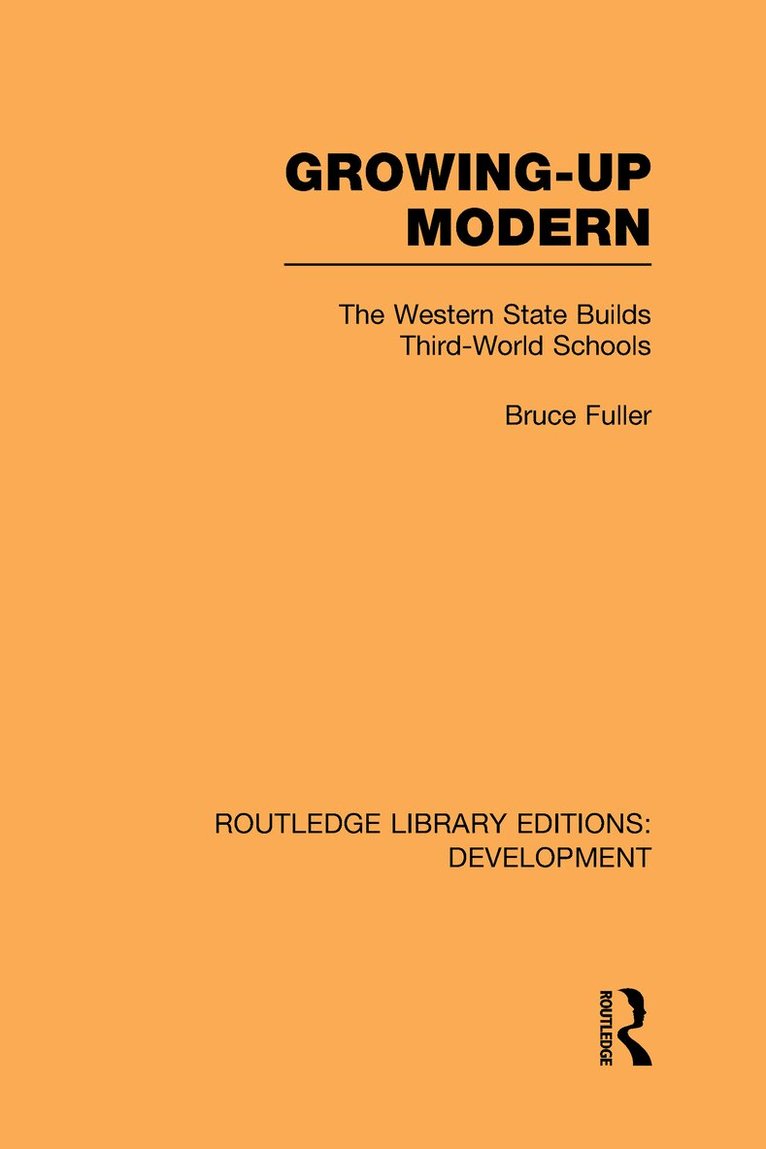
The modern state – First and Third Worlds alike – pushes tirelessly to expand mass education and to deepen the schools’ effect upon children. First published in 1991, Growing-Up Modern explores why, how, and with what actual effects state actors so vehemently pursue this dual political agenda.
Bruce Fuller first delves into the motivations held by politicians, education bureaucrats and civic elites as they earnestly seek to spread schooling to younger children, older adults and previously disenfranchised groups. Fuller argues that the school provides an institutional stage on which political actors signal their ideals and the coming of greater modernity; broadening membership in the polity, promising mass opportunity in the wage sector, intensifying modern (bureaucratic) forms of school management, and deepening a presumed commitment to the child’s individual development.
Fuller advances a theory of the ‘fragile state’ where Western political expectations and organisations are placed within pluralistic Third World settings, using southern Africa as an example of the dilemmas faced by the central state.
922 kr
Läs direkt efter köp
The modern state – First and Third Worlds alike – pushes tirelessly to expand mass education and to deepen the schools’ effect upon children. First published in 1991, Growing-Up Modern explores why, how, and with what actual effects state actors so vehemently pursue this dual political agenda.
Bruce Fuller first delves into the motivations held by politicians, education bureaucrats and civic elites as they earnestly seek to spread schooling to younger children, older adults and previously disenfranchised groups. Fuller argues that the school provides an institutional stage on which political actors signal their ideals and the coming of greater modernity; broadening membership in the polity, promising mass opportunity in the wage sector, intensifying modern (bureaucratic) forms of school management, and deepening a presumed commitment to the child’s individual development.
Fuller advances a theory of the ‘fragile state’ where Western political expectations and organisations are placed within pluralistic Third World settings, using southern Africa as an example of the dilemmas faced by the central state.
792 kr
Skickas inom 10-15 vardagar
823 kr
Skickas inom 10-15 vardagar
484 kr
Skickas inom 10-15 vardagar
491 kr
Skickas inom 7-10 vardagar
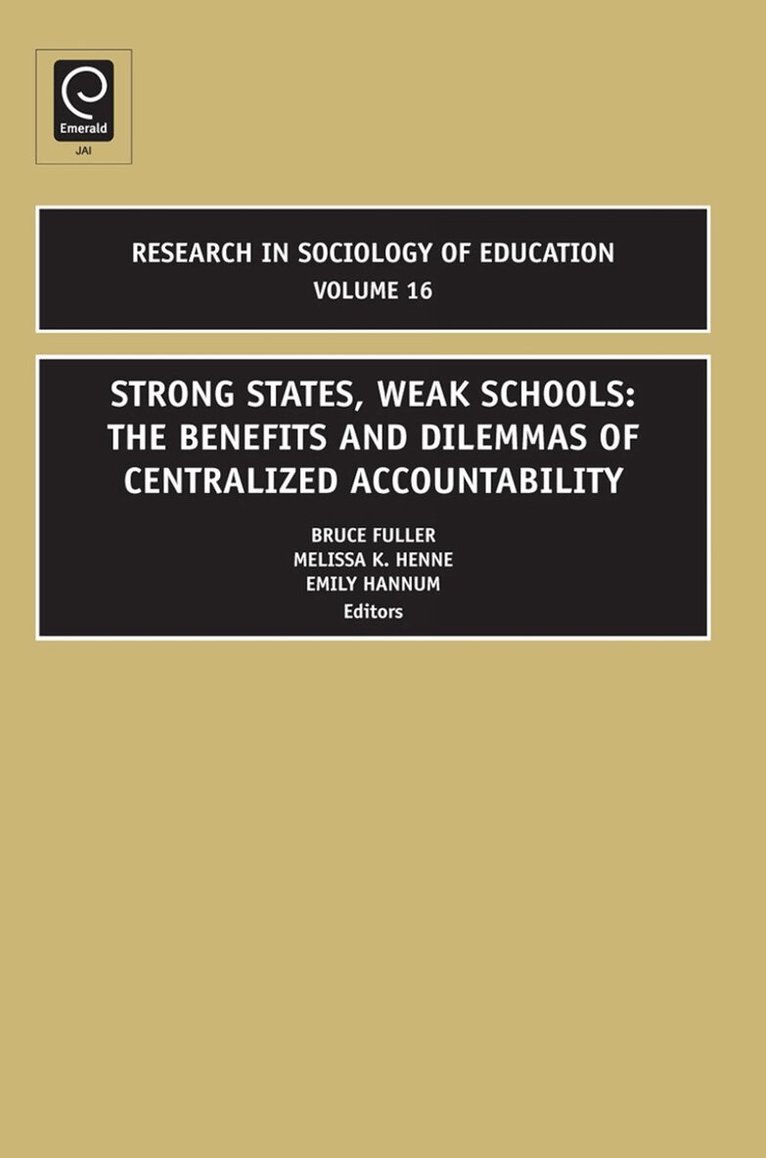
The Benefits and Dilemmas of Centralized Accountability
1 546 kr
Skickas inom 7-10 vardagar
1 173 kr
Läs direkt efter köp
1 268 kr
Läs direkt efter köp
263 kr
Tillfälligt slut
319 kr
Tillfälligt slut