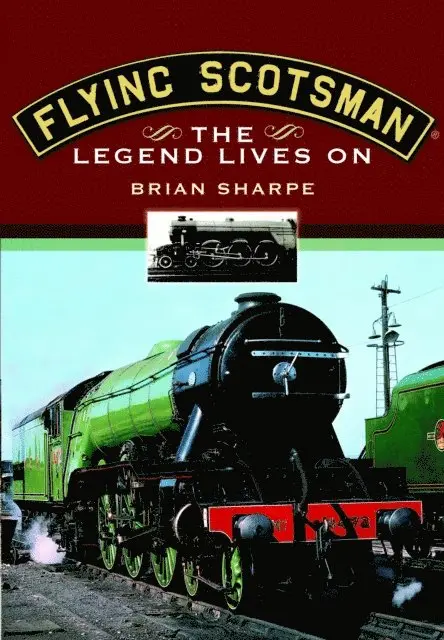
From hauling the first non-stop express from London to Edinburgh in 1928 and breaking the 100mph barrier in 1934, to being sold in 1963, and to its final home at the York National Railway Centre, The Flying Scotsman has a rich and, at times, controversial history.It has travelled across the USA and steamed across Australia, changed owners and color and sold for the highest price ever paid for a locomotive. Relive the great age of steam and follow the making of the legend that is apple green and called Flying Scotsman. An informative and highly illustrated account of British Steam engines and railways, which includes concise, appealing articles on locomotive development and industrial progress.
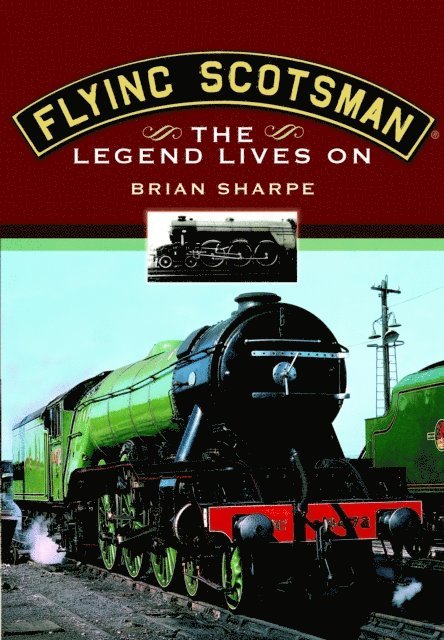
From hauling the first non-stop express from London to Edinburgh in 1928 and breaking the 100mph barrier in 1934, to being sold in 1963, and to its final home at the York National Railway Centre, The Flying Scotsman has a rich and, at times, controversial history.It has travelled across the USA and steamed across Australia, changed owners and color and sold for the highest price ever paid for a locomotive. Relive the great age of steam and follow the making of the legend that is apple green and called Flying Scotsman. An informative and highly illustrated account of British Steam engines and railways, which includes concise, appealing articles on locomotive development and industrial progress.
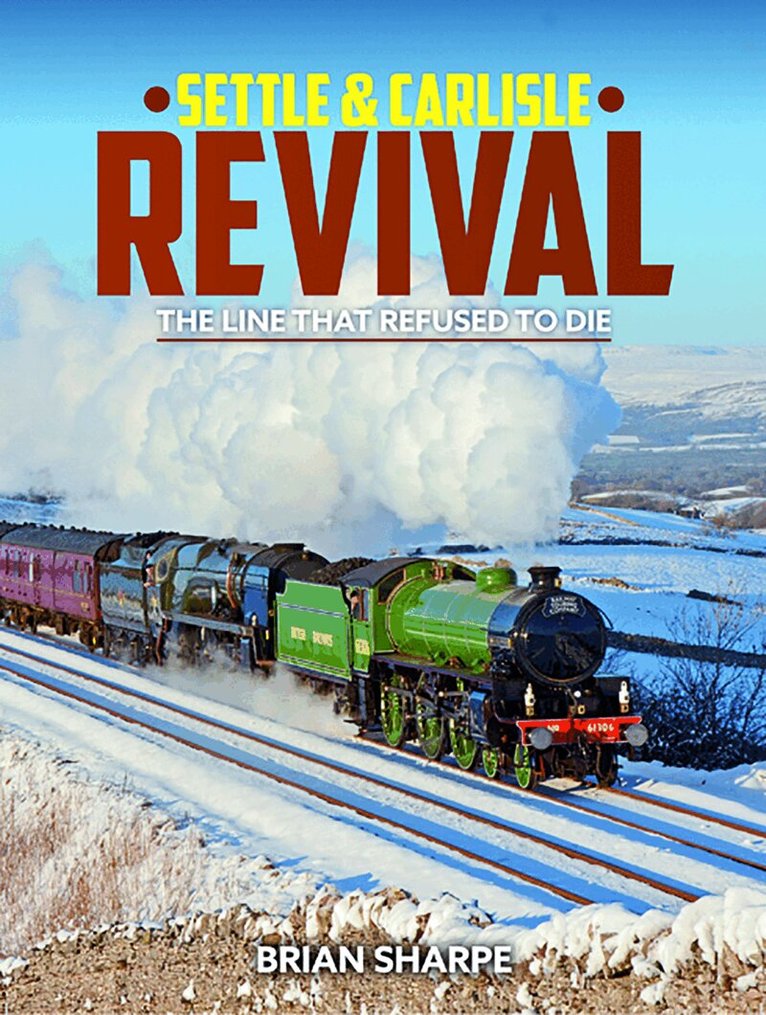
he Settle & Carlisle railway runs across the roof of England, reaching the highest point on any main line railway in the country, and carries both passenger services and freight traffic. But it has also been fortunate enough to survive two attempts to close it and in fact should probably never have been built at all. There could now be a 72-mile abandoned trackbed passing through such places as Blea Moor, over Dent Head and Arten Gill viaducts and the legendary Ais Gill summit, but sufficient people felt strongly enough to campaign successfully to stop this happening. This is the story of the revival in the fortunes of the Settle & Carlisle. Many closed stations have reopened and been restored to their former glory, freight traffic has returned and steam-hauled excursions over the line have gone from strength to strength