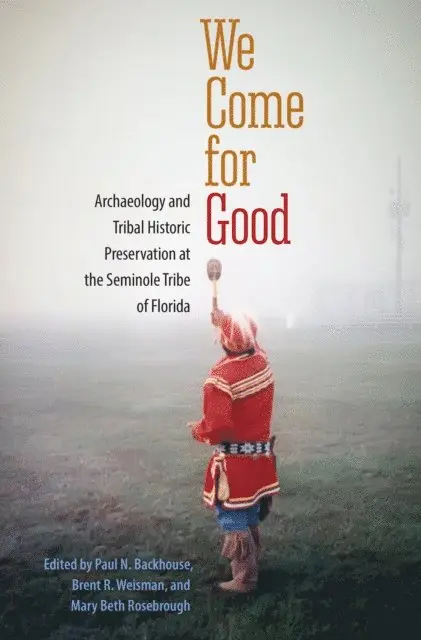
“Offers a unique perspective on tribal approaches to managing historic preservation and addresses the multiplicity of issues common to all tribal historic preservation groups.”—Joe Watkins, director, Tribal Relations and American Cultures Program, National Park Service“A concise, detailed account regarding the enormity of the task THPOs face in successfully navigating the two worlds of federal historic preservation laws and statutes and tribal cultural beliefs, knowledge, and traditions.”—James Quinn, Tribal Historic Preservation Officer, Mohegan Tribe of Connecticut“An important book that highlights the complicated, confusing, and often contradictory world navigated by the intrepid personnel of the Seminole Tribe of Florida’s Tribal Historic Preservation Office.”—Ryan Wheeler, director, Robert S. Peabody Museum of ArchaeologyAs indigenous populations are invited to participate in cultural heritage identification, research, interpretation, management, and preservation, they are faced with a variety of challenges, questions that are difficult to answer, and demands that must be carefully navigated. We Come for Good describes the development and operations of the Tribal Historic Preservation Office (THPO) of the Seminole Tribe of Florida as an example of how tribes can successfully manage and retain authority over the heritage of their respective cultures. With Native voices front and center, this book demonstrates ways THPOs can work within federal and tribal governments to build capacity and uphold tribal values—core principles of a strong tribal historic preservation program. The authors also offer readers one of the first attempts to document Native perspectives on the archaeology of native populations.
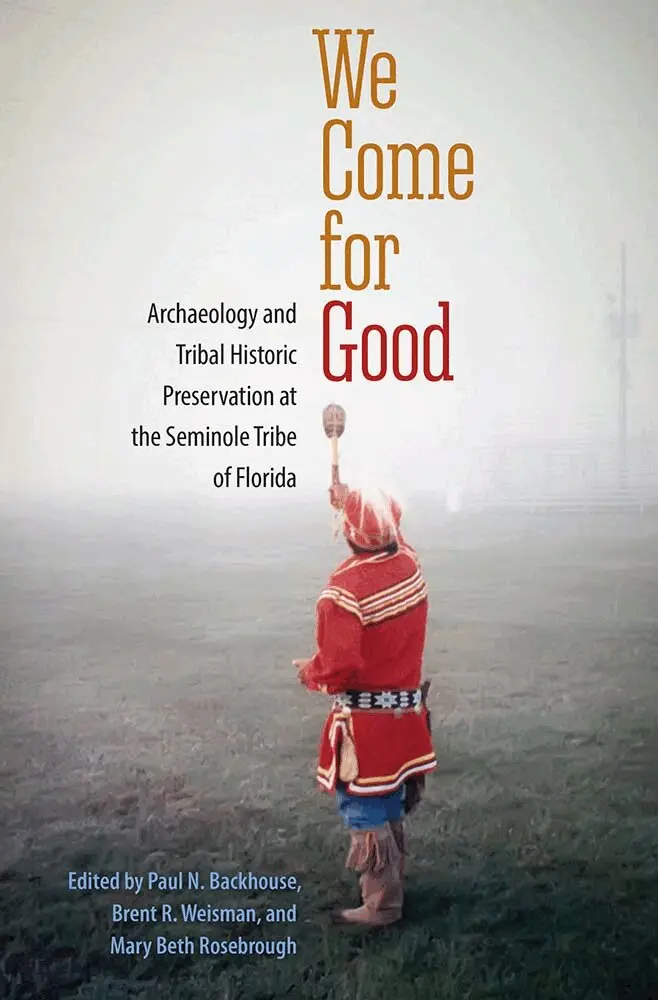
Offers a unique perspective on tribal approaches to managing historic preservation and addresses the multiplicity of issues common to all tribal historic preservation groups.”—Joe Watkins, director, Tribal Relations and American Cultures Program, National Park Service “A concise, detailed account regarding the enormity of the task THPOs face in successfully navigating the two worlds of federal historic preservation laws and statutes and tribal cultural beliefs, knowledge, and traditions.”—James Quinn, Tribal Historic Preservation Officer, Mohegan Tribe of Connecticut “An important book. Highlights the complicated, confusing, and often contradictory world navigated by the intrepid personnel of the Seminole Tribe of Florida’s Tribal Historic Preservation Office.”—Ryan Wheeler, director, Robert S. Peabody Museum of Archaeology As indigenous populations are being invited to participate in cultural heritage identification, research, interpretation, management, and preservation, they are faced with a high volume of challenging questions and demands. We Come for Good describes the development and operations of the Tribal Historic Preservation Office (THPO) of the Seminole Tribe of Florida as an example of how tribes can successfully manage and retain authority over the heritage of their respective cultures. With Native voices front and center, this book demonstrates ways THPOs can work within federal and tribal governments to build capacity and uphold tribal values—core principles of a strong tribal historic preservation program.
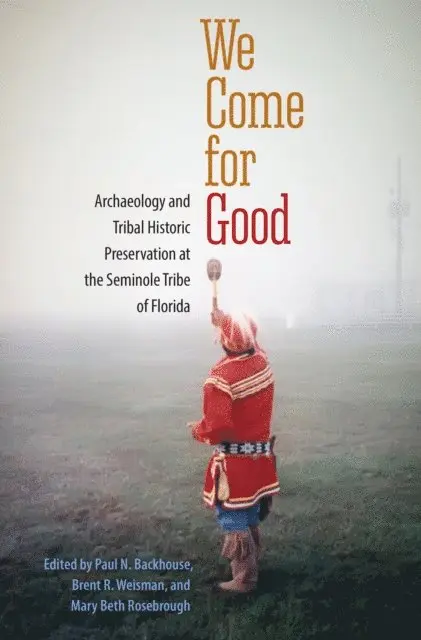
As indigenous populations are invited to participate in cultural heritage identification, research, interpretation, management, and preservation, they are faced with a variety of challenges, questions that are difficult to answer, and demands that must be carefully navigated. We Come for Good describes the development and operations of the Tribal Historic Preservation Office (THPO) of the Seminole Tribe of Florida as an example of how tribes can successfully manage and retain authority over the heritage of their respective cultures. With Native voices front and center, this book demonstrates ways THPOs can work within federal and tribal governments to build capacity and uphold tribal values--core principles of a strong tribal historic preservation program. The authors also offer readers one of the first attempts to document Native perspectives on the archaeology of native populations.
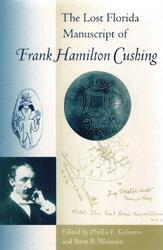
Frank Hamilton Cushing's ""forgotten"" manuscript, considered by some to be the legendary anthropologist's masterwork, conveys the untamed and undeveloped nature of south Florida in the 1890s and offers new insights into Cushing's significant contributions to Florida archaeology. It describes his initial reconnaissance in southwest Florida and his comparative evaluations of artifacts excavated in Tarpon Springs. The original manuscript was housed in the Smithsonian's National Anthropological Archives in Washington, D.C., and only recently recognized as the ""lost"" Florida volume that Cushing was preparing at the time of his death in 1900. In reading Cushing, the editors write, they were struck by the immediacy of his comprehension of the inextricable relationships between ancient cultures and the environments in which they lived. The manuscript presents keen observations of the region's vegetation and terrain, including clear descriptions of the archaeological sites that existed prior to extensive development, and it includes his original figures when available. The work culminates in Cushing's impressive attempt to connect the prehistoric civilizations of Florida, the American Southwest, Mexico, the Yucatan, and the Mississippi valley into one massive ""continental arc"" of culture.
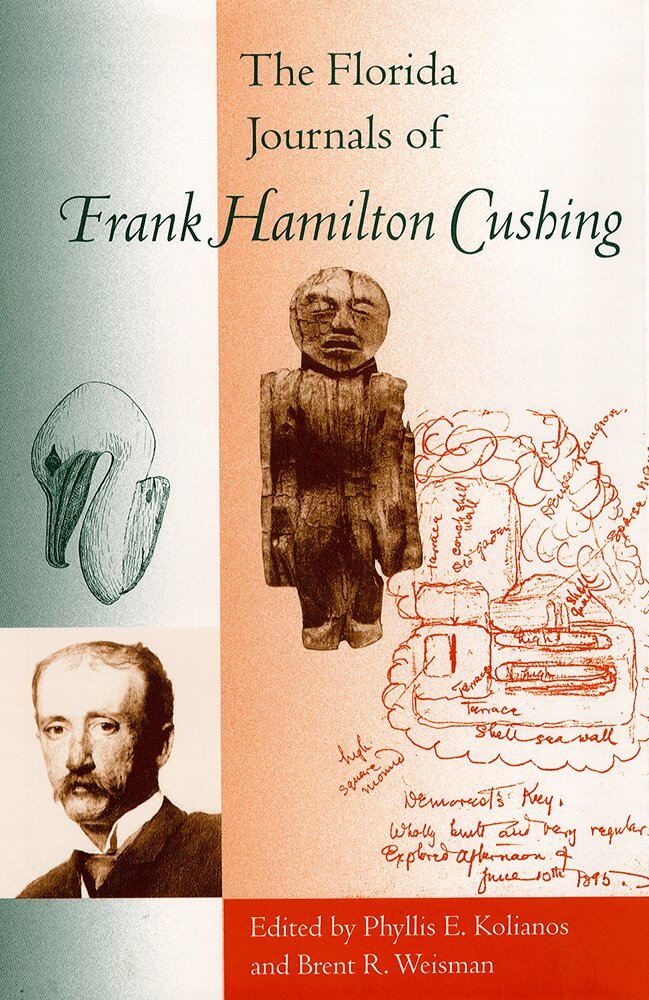
These previously unpublished journals by one of the most complex and enigmatic American anthropologists, Frank Hamilton Cushing (1854-1900), offer a dramatically new perspective on his Florida explorations. Recorded during 1895-96 as he traveled the Gulf Coast, these daily personal observations add credibility to his contributions to science and anthropology and demonstrate his independent and intuitive intellect. Sponsored by the Smithsonian Institution's Bureau of American Ethnology, Cushing's expedition came to Florida to explore the extraordinary remains of the ancient mound-building cultures along the coast from Tarpon Springs south to Marco Island. Cushing's discovery of the muck pond that came to be known as the fabled Court of the Pile Dwellers, located in what is now Collier County, uncovered a rich archaeological site with some of the finest examples of prehistoric native art in North America. Cushing's monumental findings at the Key Marco site have been vitally important to a global understanding of the technological, social, and cosmological complexity of indigenous maritime societies. This collection of personal journals opens the door to new research and information for archaeologists and archaeological theory. Written by a visionary on the eve of Florida's entry into the modern world, the journals provide a rare glimpse of the nascent field of cultural anthropology.