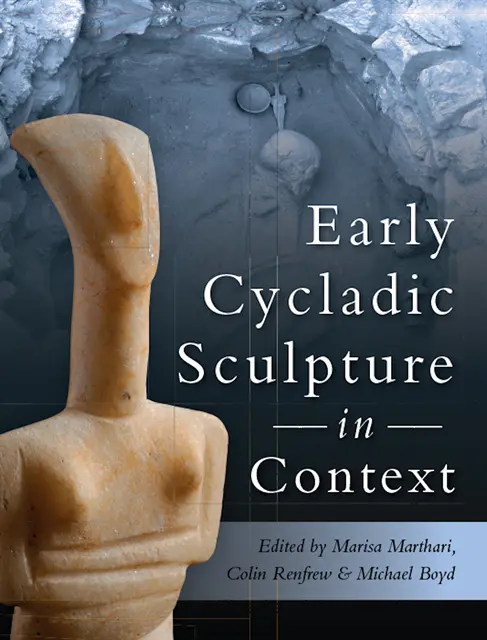
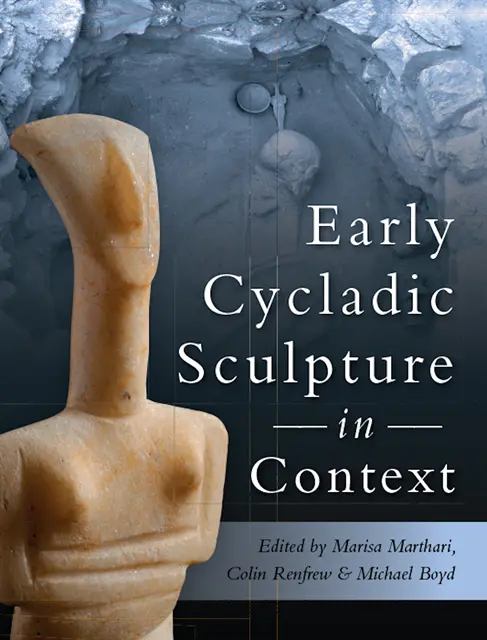
The sculpture of the early bronze age Cyclades has been systematically studied since the time of Christos Tsountas at the end of the 19th century. But that study has been hampered by the circumstance that so many of the subsequent finds come from unauthorized excavations, where the archaeological context was irretrievably lost. Largely for that reason there are still many problems surrounding the chronology, the function and the meaning of Early Cycladic sculpture. This lavishly illustrated and comprehensive reassessment sets out to rectify that situation by publishing finds which have been recovered in controlled excavations in recent years, as well as earlier finds for which better documentation can now be provided. Using the material from recent excavation projects, and drawing on the papers presented at a symposium held in Athens in 2014, it is possible now to undertake a fresh overview of the entire body of sculpture from the Cycladic islands which has been found in secure archaeological contexts. Beginning with early examples from Neolithic settlement sites and extending into a consideration of material found in later contexts, the 35 chapters are divided into sections which examine sculpture from settlements, cemeteries and the sanctuary at Kavos, concluding with a discussion of material, techniques and aspects of manufacture.
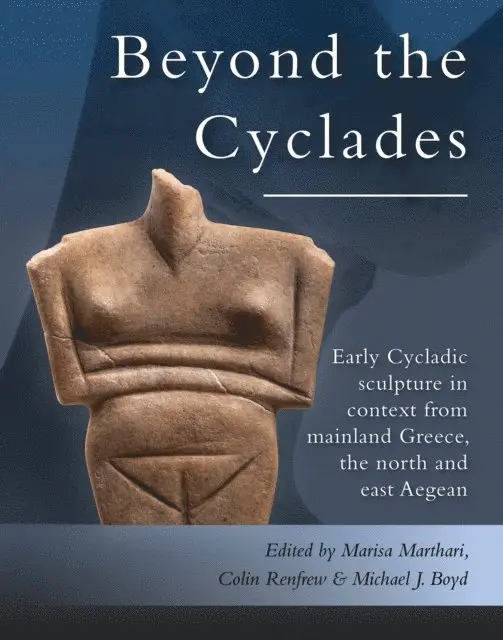
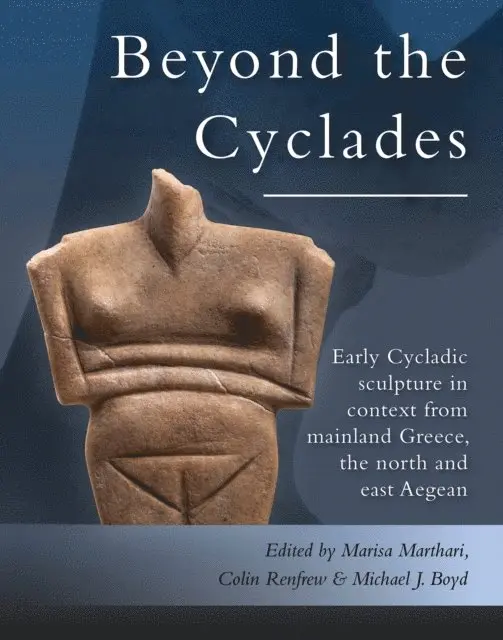
This second volume on Early Cycladic (and Cycladicising) sculptures found in the Aegean, examines finds from mainland Greece, along with the rarer items from the north and east Aegean, with the exception of those discovered in the Cyclades (covered in the preceding volume), and of those found in Crete. The significance of these finds is that these are the principal testimonies of the influence of the Early Bronze Age Cycladic cultures in the wider Aegean. This influence is shown both by the export of sculptures produced in the Cyclades (and made of Cycladic marble), and of their imitations, produced elsewhere in the Aegean, usually of local marble. They hold the key, therefore, to the cultural interactions developing at this time, the so-called ‘international spirit’ manifest particularly during the Aegean Early Bronze II period.This was the time when the foundations of early Aegean civilisation were being laid, and the material documented is thus of considerable significance. The volume is divided into sections wherein contributions examine finds and their archaeological, social, and economic contexts from specific regions. It concludes with an overview of the significance and role of these objects in Early Bronze Age societies of the Aegean and eastern Mediterranean region. This will be the first time that this material has been systematically gathered together. Highly illustrated, it follows and builds on the successful preceding volume, Early Cycladic Sculpture in Context (Oxbow 2016).
Archaeology is in crisis. Spatial turns, material turns and the ontological turn have directed the discipline away from its hard-won battle to find humanity in the past. Meanwhile, popularised science, camouflaged as archaeology, produces shock headlines built on ancient DNA that reduce humanity’s most intriguing historical problems to two-dimensional caricatures. Today archaeology finds itself less able than ever to proclaim its relevance to the modern world.This volume foregrounds the relevance of the scholarship of John Barrett to this crisis. Twenty-four writers representing three generations of archaeologists scrutinise the current turmoil in the discipline and highlight the resolutions that may be found through Barrett’s analytical framework. Topics include archaeology and the senses, the continuing problem of the archaeological record, practice, discourse, and agency, reorienting archaeological field practice, the question of different expressions of human diversity, and material ecologies. Understanding archaeology as both a universal and highly specific discipline, case-studies range from the Aegean to Orkney, and encompass Anatolia, Korea, Romania, United Kingdom and the very nature of the Universe itself. This critical examination of John Barrett’s contribution to archaeology is simultaneously a response to his urgent call to arms to reorient archaeology in the service of humanity.