493 kr
Skickas inom 3-6 vardagar
493 kr
Skickas inom 3-6 vardagar
520 kr
Skickas inom 3-6 vardagar
2 307 kr
Skickas inom 7-10 vardagar
2 618 kr
Läs direkt efter köp
The first collection in the area of mentoring that applies theory to real-world practice, research, programs, and recommendations from an international perspective
In today’s networked world society, mentoring is a crucial area for study that requires a deep international understanding for effective implementation. Despite the immense benefits of mentoring, current literature on this subject is surprisingly sparse. The Wiley International Handbook of Mentoring fills the need for a comprehensive volume of in-depth information on the different types of mentoring programs, effective mentoring practices, and emerging practical and applicable theories. Based on sound research methodologies, this unique text presents original essays by experts from over ten different countries, demonstrating the ways mentoring can make a difference in the workplace and in the classroom; these experts have an understanding of mentoring worldwide having worked in mentoring in over forty countries.
Each of the Handbook’s four sections—mentoring paradigms, practices, programs, and possibilities—include a final synthesis chapter authored by the section editors that captures the essence of the lessons learned, applies a global context, and recommends research avenues for further exploration. This innovative volume demonstrates how mentoring in any culture can help employees to complete tasks and advance in their positions, aid in socialization and assimilation in various settings, provide diverse groups access to resources and information, navigate through personalities, politics, policies, and procedures, and much more.
Offers an inclusive, international perspective that supports moving mentoring into a discipline of its own and lays a theoretical foundation for further research Shows how emerging practical theories can be implemented in actual programs and various scenarios Examines a wide range of contemporary paradigms, practices, and programs in the field of mentoring, including a panorama of introspections on mentoring from international scholars and practitioners Includes historical and epistemological content, background information and definitions, and overviews of fundamental aspects of mentoringThe Wiley International Handbook of Mentoring is an essential volume for a global readership, particularly teachers of mentoring courses, trainers, and researchers and practitioners in a variety of fields such as business, education, government, politics, sciences, industry, or sports.

2 657 kr
Läs direkt efter köp
The first collection in the area of mentoring that applies theory to real-world practice, research, programs, and recommendations from an international perspective
In today’s networked world society, mentoring is a crucial area for study that requires a deep international understanding for effective implementation. Despite the immense benefits of mentoring, current literature on this subject is surprisingly sparse. The Wiley International Handbook of Mentoring fills the need for a comprehensive volume of in-depth information on the different types of mentoring programs, effective mentoring practices, and emerging practical and applicable theories. Based on sound research methodologies, this unique text presents original essays by experts from over ten different countries, demonstrating the ways mentoring can make a difference in the workplace and in the classroom; these experts have an understanding of mentoring worldwide having worked in mentoring in over forty countries.
Each of the Handbook’s four sections—mentoring paradigms, practices, programs, and possibilities—include a final synthesis chapter authored by the section editors that captures the essence of the lessons learned, applies a global context, and recommends research avenues for further exploration. This innovative volume demonstrates how mentoring in any culture can help employees to complete tasks and advance in their positions, aid in socialization and assimilation in various settings, provide diverse groups access to resources and information, navigate through personalities, politics, policies, and procedures, and much more.
Offers an inclusive, international perspective that supports moving mentoring into a discipline of its own and lays a theoretical foundation for further research Shows how emerging practical theories can be implemented in actual programs and various scenarios Examines a wide range of contemporary paradigms, practices, and programs in the field of mentoring, including a panorama of introspections on mentoring from international scholars and practitioners Includes historical and epistemological content, background information and definitions, and overviews of fundamental aspects of mentoringThe Wiley International Handbook of Mentoring is an essential volume for a global readership, particularly teachers of mentoring courses, trainers, and researchers and practitioners in a variety of fields such as business, education, government, politics, sciences, industry, or sports.

1 398 kr
Skickas inom 3-6 vardagar
602 kr
Skickas
269 kr
Skickas inom 7-10 vardagar
3 942 kr
Skickas inom 7-10 vardagar
2 863 kr
Läs direkt efter köp
3 428 kr
Läs direkt efter köp
1 511 kr
Skickas inom 10-15 vardagar
581 kr
Skickas inom 10-15 vardagar
554 kr
Skickas inom 7-10 vardagar
1 033 kr
Skickas inom 7-10 vardagar
396 kr
Läs direkt efter köp
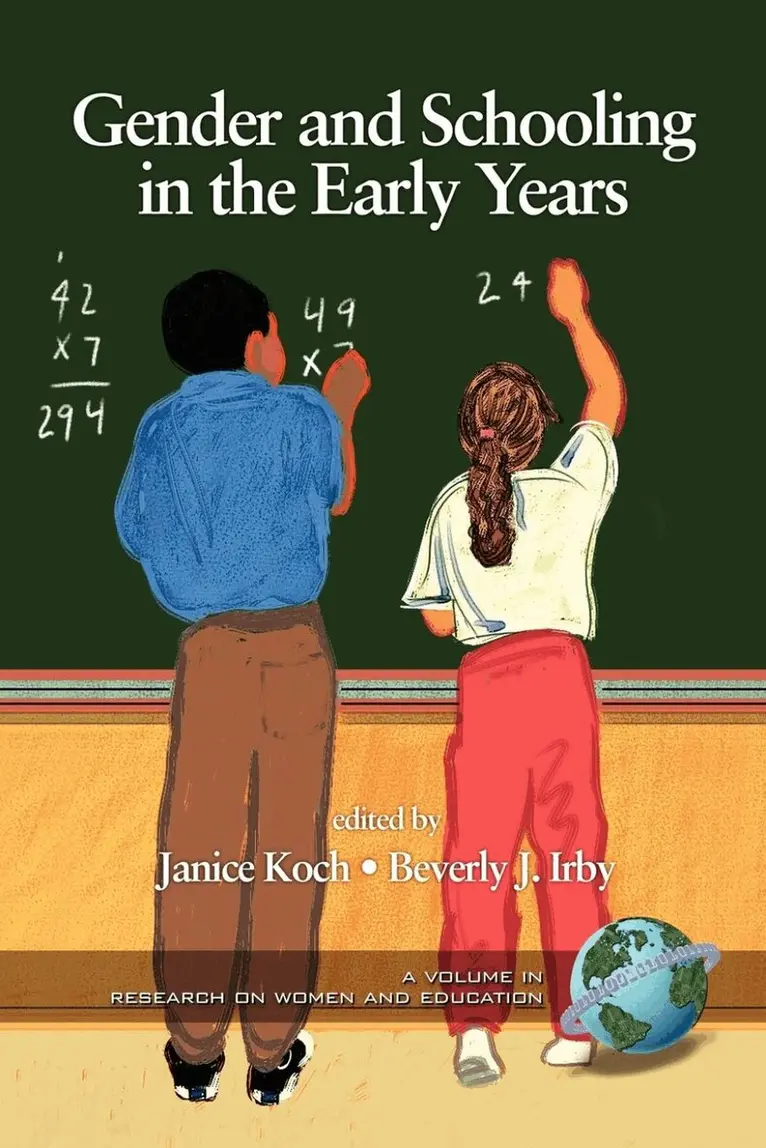
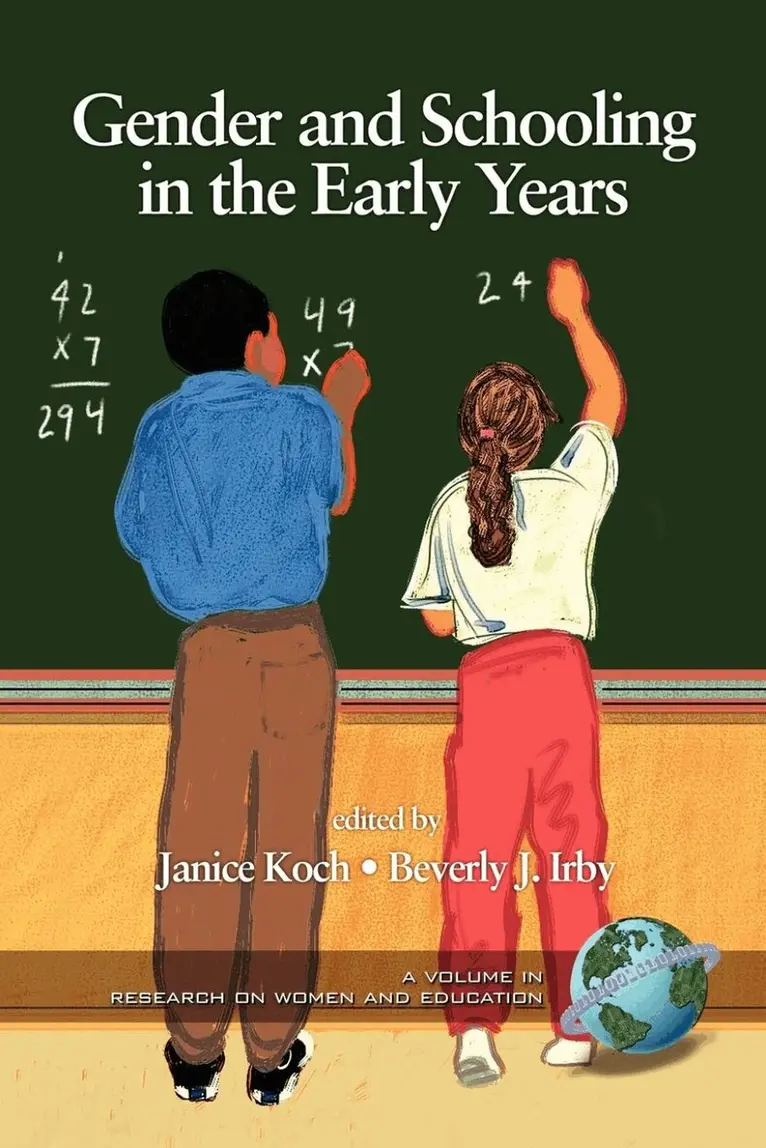
In the past 25 years there has been an enormous increase in the amount of research exploring issues of gender and schooling. New journals have been established, and in the older journals, special issues have been devoted to addressing gender equity in education.
For the editors this has raised some questions and concerns as we organized the topics for this first volume of the Research on Women and Education book series.
394 kr
Läs direkt efter köp
In this volume, gender and schooling in the early years addresses a broad range of issues including, but not limited, to gender equity in education. We explore, for example, the complex world of play in Fromberg''s chapter and are reminded that for young children, play involves issues of power and hierarchy in ways that parallel the role of gender in society. Miletta''s study of preschool children in northern Italy, at Reggio Emilia, reveals a story of classroom interactions where gender differences are not part of the equation for the youngsters. Her chapter begs the question, "How does this environment empower all children, regardless of gender?" Two chapters provide a lens to the Montessori setting for young children. Wilgus studies the gendered patterns of young women teaching at a Montessori school, while Irby, Rodriguez, and Lara-Alecio explore the intersections of culture and gender at a bilingual Montessori public school. Further examining the preschool years, Plaster and Schiller address the current brain research and examine the ways in which the adults that staff early child care programs, and the environments that they offer, play an important role in the development of our children.
554 kr
Skickas inom 7-10 vardagar
1 033 kr
Skickas inom 7-10 vardagar
396 kr
Läs direkt efter köp
554 kr
Skickas inom 7-10 vardagar
1 033 kr
Skickas inom 7-10 vardagar
388 kr
Läs direkt efter köp
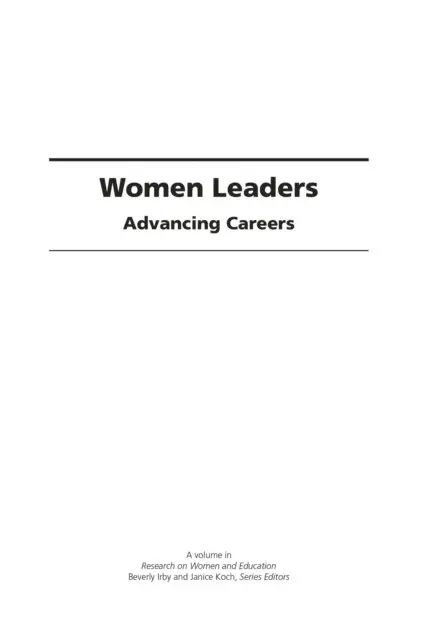
Women Leaders: Advancing Careers recognizes that while the majority of students enrolled in educational leadership preparation programs continue to be women; women’s advancement to top school executive roles is still not comparable to that of men. Despite significant gains in the past decade, the biased treatment of women continues to be a barrier to their advancement to key administrative positions.
The authors in Women Leaders: Advancing Careers have contributed significantly to the growing body of literature aimed at assisting the career advancement of women. Their research indicates that the concepts presented herein are critical to women’s leadership preparations, advancement, and success. Women Leaders: Advancing Careers melds history, theory, research, and practice to provide guidance to aspiring women administrators in developing a career path and in attaining and successfully performing in executive roles.
2 231 kr
Skickas inom 3-6 vardagar
2 954 kr
Skickas inom 7-10 vardagar
1 211 kr
Läs direkt efter köp
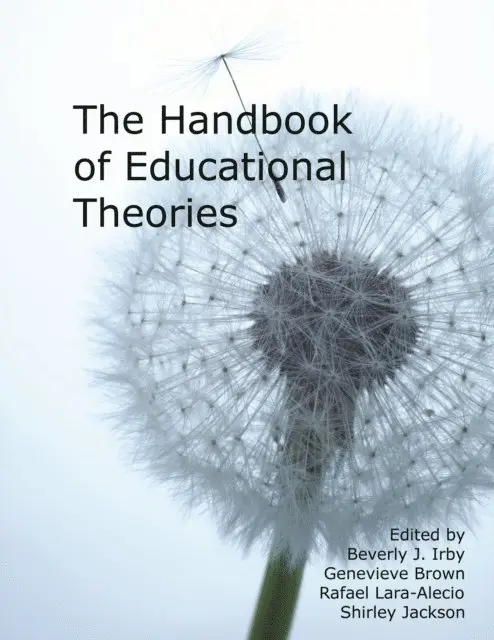
Although educational theories are presented in a variety of textbooks and in some discipline specific handbooks and encyclopedias, no publication exists which serves as a comprehensive, consolidated collection of the most influential and most frequently quoted and consulted theories. There is a need to put such theories into a single, easily accessible volume.
A unique feature of the Handbook is the way in which it conveys the theories. The organization of the chapters within each section makes the volume an easy·to-use and tu1derstandable reference tool as researchers and practitioners seek theories to guide their research and practice and as they develop theoretical frameworks. In addition to the traditional theories presented, the Handbook includes emerging theories for the 21st Century as well as presenting practical examples of the use of these theories in research from dissertations and published articles. An appendix which indicates which theories have instruments associated with them and where those instruments can be found is also included.
The Handbook consists of 12 sections. Section I provides the jntroduction with a focus on what constitutes good theory as well as how theory guides research and practice. The remaining sections address Philosophical Educational Constructs, Leaming Theory, Instructional Theory, Curriculum theory, Literacy and Language Acquisition Theory, Counseling Theory, Moral Development Theory, Classroom Management Theory, Assessment Theory, Organizational Theory, and Leadership/Management Theory. Each section consists of an overview written by the section editor of the general theoretical concepts to be addressed by the chapter authors. Each chapter within the section will include (a) a description of the theory with goals, assumptions, and aspects particular to the theory, (b) the original development of and interactions of the theory, (c) validation of the theory, (d) generalizability of the theory across cultures, ethnicities, and genders, (e) the use and application of the theory, (f) critiques of the theory, (g) any instruments associated with the theory, and (h) two to five particular studies exemplifying particular theories as individuals have used them in theoretical framework of dissertations or published articles and be written by the original theorist or prominent contributors to the theory.
The Handbook is intended for graduate students enrolled in research courses or completing theses and dissertations. Additionally, professors of all educational disciplines in the social scierices would be an interested audience. There is also potential use of the text as administrators, counselors, and teachers in schools use theory to guide practice. As more inquiry is being promoted among school leaders, this book has more meaning for practitioners.
554 kr
Skickas inom 7-10 vardagar
1 033 kr
Skickas inom 7-10 vardagar
396 kr
Läs direkt efter köp
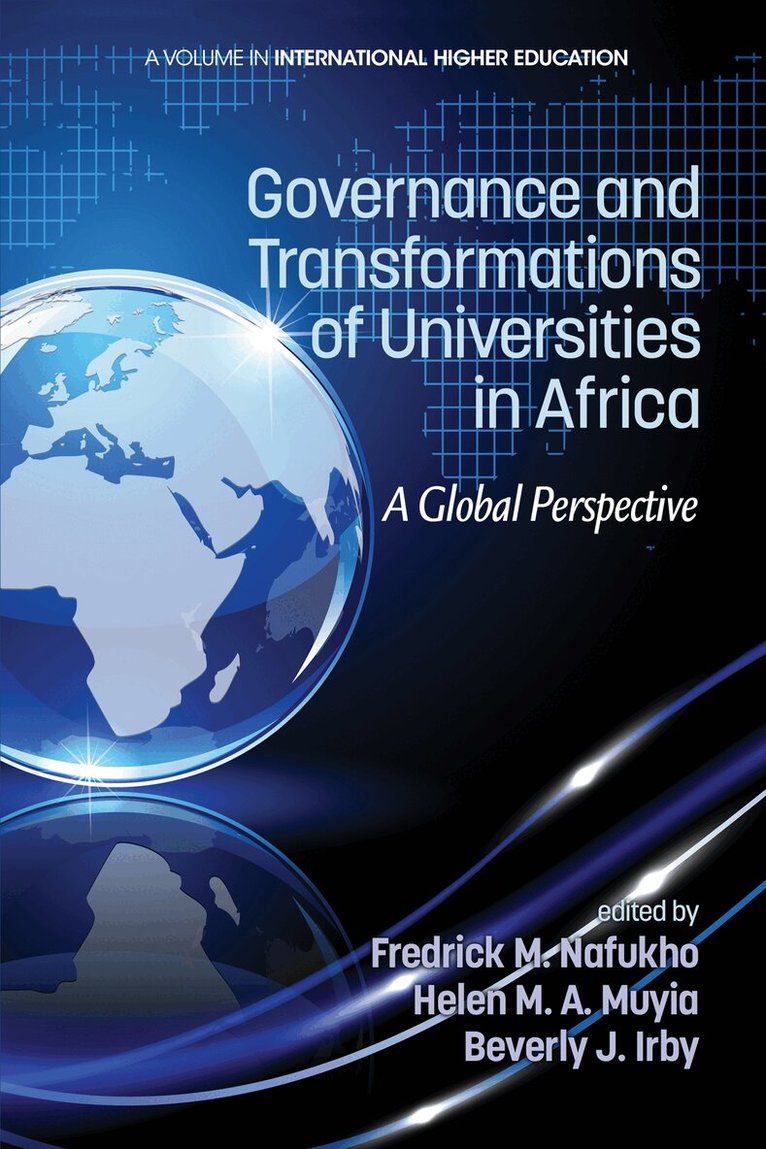
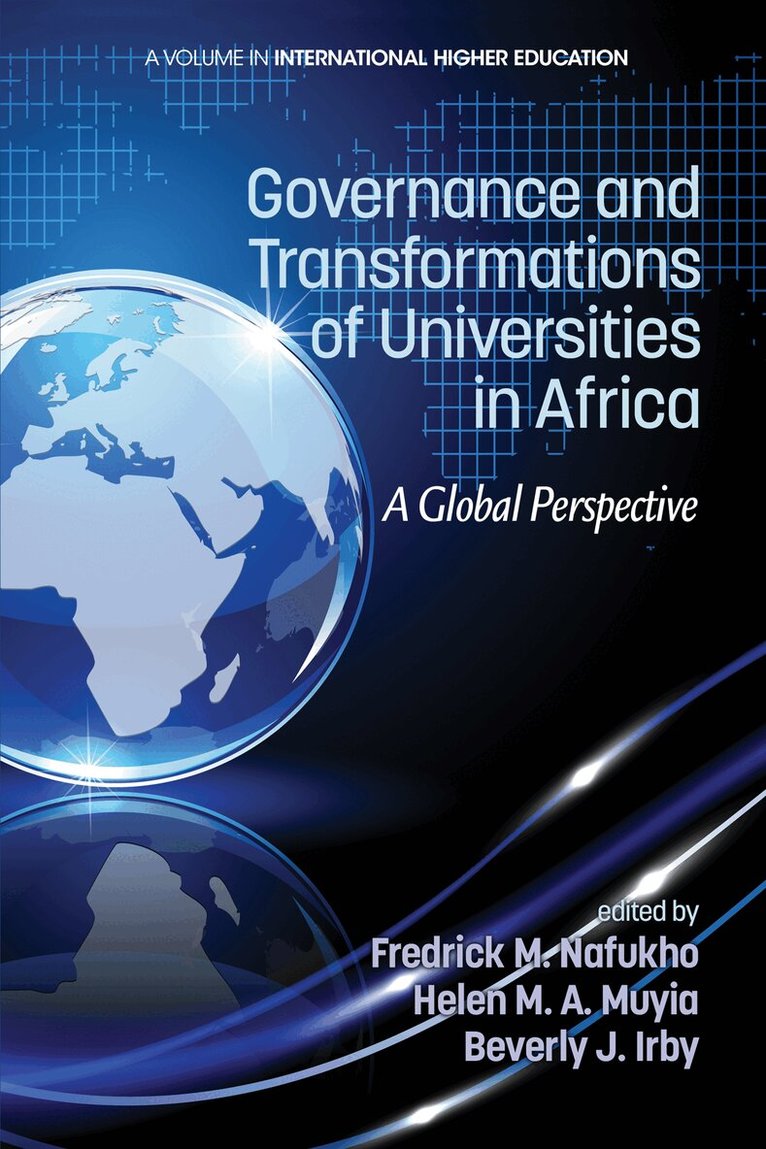
While universities world over are undergoing reforms and change, in the case of African universities as illustrated in this book, the reforms and changes are profound and can best be described as transformative. This book is unique in many ways, which makes it extraordinary. First, unlike other books that have examined issues on higher education in Africa from externalist positions, the contributors to this book are scholars who have been educated, are currently teaching in African universities or have taught in African universities. The book specifically focuses on transformations in the governance of African universities and its implications on equity, entrepreneurship, innovation, quality assurance, information and communication technologies (ICTs), and reform issues in higher education in Africa.
The book presents pertinent research on governance in African universities in an experiential and empirical manner. The contributors of the book chapters include individuals actively involved in teaching, researching and governance of higher education institutions in Africa. The chapters are based on empirical data, including review of relevant literature. The book also recognizes that university governance is more than just crisis in financial or economic issues, but includes best management practices, shared governance, meaningful reforms, strategic planning, consultation, transparency and accountability, client (students, lecturers, parents and the public) satisfaction, as well as the role of the university in development.
The contributions take cognizance of the fact that governance as a concept is facing fundamental changes in the context of global knowledge economy, and African local conditions. Contributors also take cognizance of the fact that one important source of change in Africa has been the accelerating speed of scientific and technological advancement in learning at universities where lifelong learning programs, adult learning programs, distance and online learning are relatively new. The chapters are also sensitive to new changes in gender, demographical, technological, education reforms, social and economic transformations in the governance of African universities. The book is basically an academic book for use by undergraduates and graduate students at universities, policy makers and formulators in African ministries of Education; supra national organizations, foreign organizations working in Africa, NGOs and CBOs as well as development stakeholders, and community organizers.
587 kr
Skickas inom 7-10 vardagar