2 497 kr
Skickas inom 10-15 vardagar
2 497 kr
Skickas inom 10-15 vardagar
915 kr
Skickas inom 10-15 vardagar
1 074 kr
Läs direkt efter köp
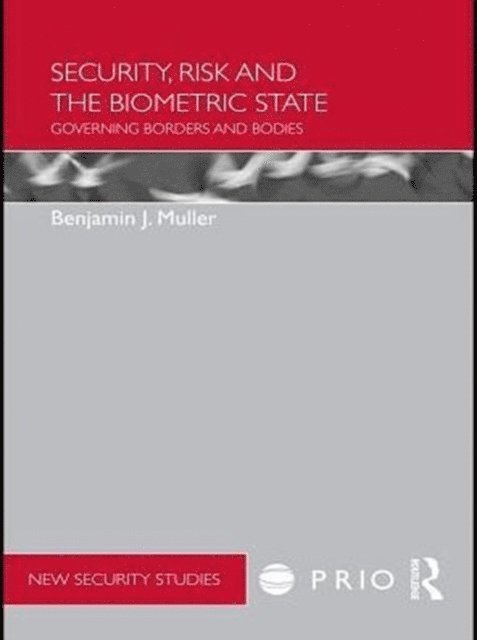
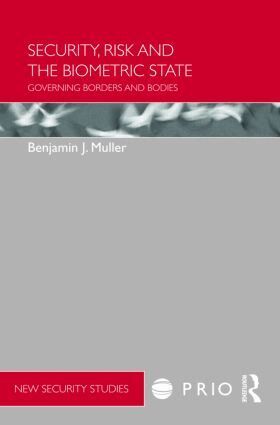
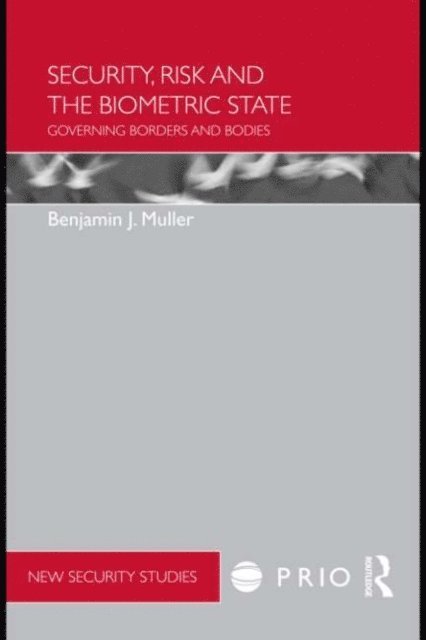
This book examines a series of questions associated with the increasing application and implications of biometrics in contemporary everyday life.
In the wake of the events of 9/11, the reliance on increasingly sophisticated and invasive technologies across a burgeoning field of applications has accelerated, giving rise to the term ''biometric state''. This book explores how these ‘virtual borders’ are created and the effect they have upon the politics of citizenship and immigration, especially how they contribute to the treatment of citizens as suspects. Finally and most importantly, this text argues that the rationale of ''governing through risk'' facilitates pre-emptory logics, a negligent attitude towards ''false positives'', and an overall proliferation of borders and ubiquitous risk, which becomes integral to contemporary everyday life, far beyond the confined politics of national borders and frontiers.
By focusing on specific sites, such as virtual borders in airports, trusted traveller programs like the NEXUS program and those delivered by airlines and supported by governmental authorities (TSA and CATSA respectively), this book raises critical questions about the emerging biometric state and its commitment and constitution vis-à -vis technology of ‘governing through risk’.
This book will be of interest to students of biopolitics, critical security, surveillance studies and International Relations in general.
Benjamin J. Muller is assistant professor in International Relations at Simon Fraser University, Burnaby, Canada. He completed his PhD in the School of Politics and International Studies at Queen’s University Belfast, Northern Ireland, in 2005.
1 074 kr
Läs direkt efter köp
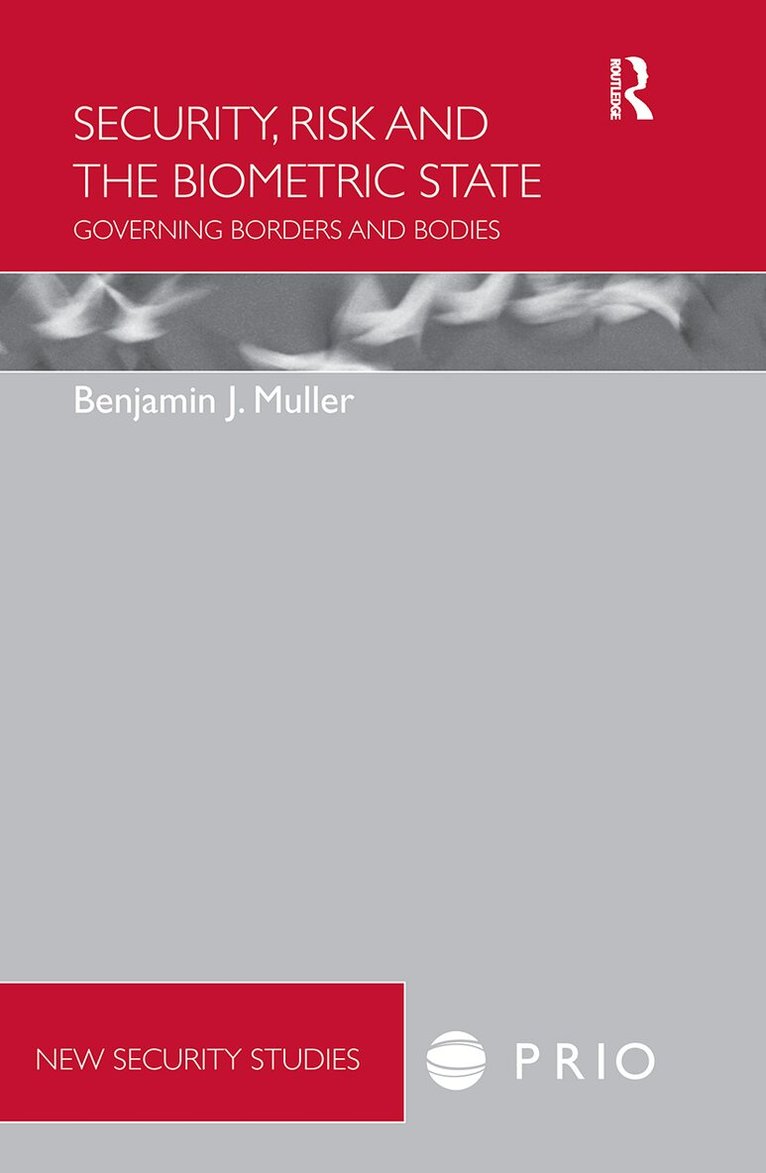
This book examines a series of questions associated with the increasing application and implications of biometrics in contemporary everyday life.
In the wake of the events of 9/11, the reliance on increasingly sophisticated and invasive technologies across a burgeoning field of applications has accelerated, giving rise to the term ''biometric state''. This book explores how these ‘virtual borders’ are created and the effect they have upon the politics of citizenship and immigration, especially how they contribute to the treatment of citizens as suspects. Finally and most importantly, this text argues that the rationale of ''governing through risk'' facilitates pre-emptory logics, a negligent attitude towards ''false positives'', and an overall proliferation of borders and ubiquitous risk, which becomes integral to contemporary everyday life, far beyond the confined politics of national borders and frontiers.
By focusing on specific sites, such as virtual borders in airports, trusted traveller programs like the NEXUS program and those delivered by airlines and supported by governmental authorities (TSA and CATSA respectively), this book raises critical questions about the emerging biometric state and its commitment and constitution vis-à -vis technology of ‘governing through risk’.
This book will be of interest to students of biopolitics, critical security, surveillance studies and International Relations in general.
Benjamin J. Muller is assistant professor in International Relations at Simon Fraser University, Burnaby, Canada. He completed his PhD in the School of Politics and International Studies at Queen’s University Belfast, Northern Ireland, in 2005.
15 kr
Läs direkt efter köp
531 kr
Skickas inom 3-6 vardagar
15 kr
Läs direkt efter köp
422 kr
Skickas inom 3-6 vardagar
397 kr
Skickas inom 3-6 vardagar
385 kr
Skickas inom 3-6 vardagar
389 kr
Skickas inom 3-6 vardagar
377 kr
Skickas inom 3-6 vardagar
409 kr
Skickas inom 3-6 vardagar
850 kr
Skickas inom 3-6 vardagar
397 kr
Skickas inom 3-6 vardagar
369 kr
Skickas inom 3-6 vardagar
190 kr
Skickas inom 3-6 vardagar
633 kr
Skickas inom 10-15 vardagar
542 kr
Läs direkt efter köp