913 kr
Skickas inom 10-15 vardagar
913 kr
Skickas inom 10-15 vardagar
292 kr
Skickas inom 5-8 vardagar
306 kr
Läs direkt efter köp
306 kr
Läs direkt efter köp
863 kr
Skickas inom 7-10 vardagar
285 kr
Skickas inom 7-10 vardagar
625 kr
Läs direkt efter köp
2 602 kr
Skickas inom 10-15 vardagar
852 kr
Skickas inom 10-15 vardagar
2 843 kr
Skickas inom 10-15 vardagar
822 kr
Skickas inom 10-15 vardagar
2 497 kr
Skickas inom 10-15 vardagar
818 kr
Skickas inom 10-15 vardagar
804 kr
Skickas inom 7-10 vardagar
2 029 kr
Skickas inom 7-10 vardagar
439 kr
Skickas inom 7-10 vardagar
523 kr
Skickas inom 7-10 vardagar
408 kr
Skickas inom 7-10 vardagar
264 kr
613 kr
Läs direkt efter köp
746 kr
Skickas inom 10-15 vardagar
504 kr
Skickas inom 10-15 vardagar
395 kr
Skickas inom 7-10 vardagar
963 kr
Läs direkt efter köp
970 kr
Läs direkt efter köp
949 kr
Läs direkt efter köp
963 kr
Läs direkt efter köp
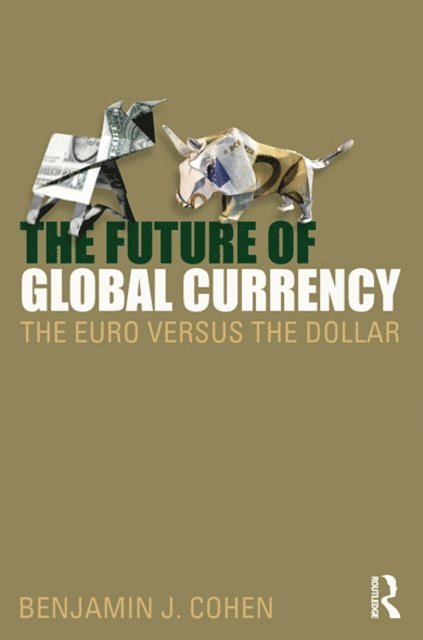
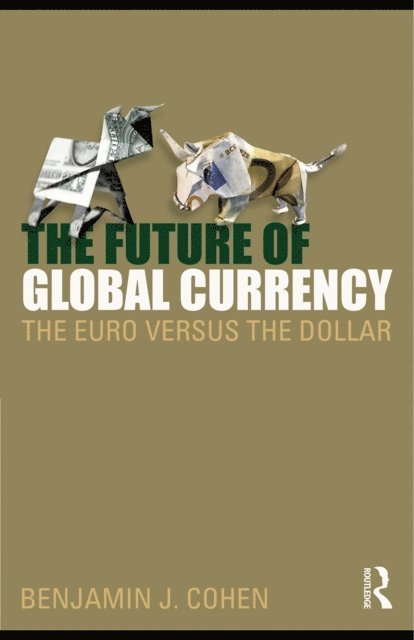
Can the euro challenge the supremacy of the U.S. dollar as a global currency? From the time Europe’s joint money was born, many have predicted that it would soon achieve parity with the dollar or possibly even surpass it. In reality, however, the euro has remained firmly planted in the dollar’s shadow. The essays collected in this volume explain why. Because of America’s external deficits and looming foreign debt, the dollar can never be as dominant as it once was. But Europe’s money is unable to mount an effective challenge. The euro suffers from a number of critical structural deficiencies, including an anti-growth bias that is built into the institutions of the monetary union and an ambiguous governance structure that sows doubts among prospective users. As recent events have demonstrated, members of the euro zone remain vulnerable to financial crisis. Moreover, lacking a single voice, the bloc continues to punch below its weight in monetary diplomacy. The world seems headed toward a leaderless monetary order, with several currencies in contention but none clearly dominant.
This collection distils the views of one of the world’s leading scholars in global currency, and will be of considerable interest to students and scholars of international finance and international political economy.
5 541 kr
Läs direkt efter köp
5 541 kr
Läs direkt efter köp