323 kr
Skickas inom 7-10 vardagar
323 kr
Skickas inom 7-10 vardagar
234 kr
Skickas inom 7-10 vardagar
1 233 kr
Skickas inom 10-15 vardagar
498 kr
Skickas inom 7-10 vardagar
189 kr
Läs direkt efter köp
188 kr
Läs direkt efter köp
1 050 kr
Skickas inom 3-6 vardagar
1 709 kr
Läs direkt efter köp
2 601 kr
Skickas inom 10-15 vardagar
671 kr
Skickas inom 10-15 vardagar
2 461 kr
Skickas inom 10-15 vardagar
502 kr
Skickas inom 7-10 vardagar
890 kr
Läs direkt efter köp
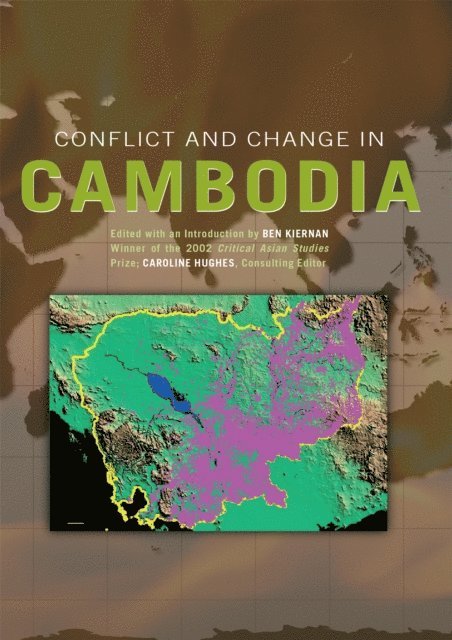
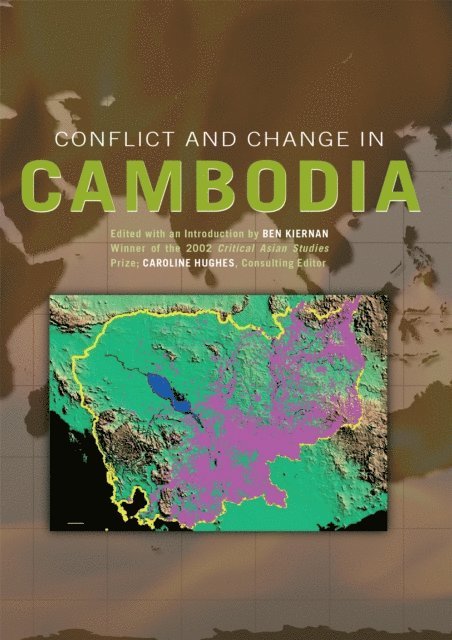
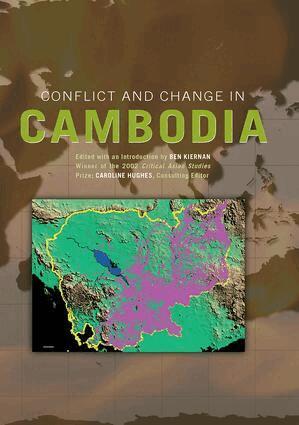
In the thirty years after the Second World War, Cambodia witnessed the reassertion of colonial power, the spread of nationalism, the birth and growth of a communist party, the achievement of independence, the stifling reform during the decade of peace, the rise of an armed domestic insurgency, the encroachment of an international war, massive bombardment and civilian casualties, pogroms and ethnic ‘cleansing’ of religious minorities. From 1975 to 1979, genocide took another 1.7 million lives. Then, after liberation from the Khmer Rouge regime, Cambodia survived a decade of foreign occupation, international isolation, and guerrilla terror and harassment. UN intervention and democratic transition were followed by Cambodia’s defeat of the Khmer Rouge in 1999 amid continuing internal tension and political confrontation.
Against this backdrop of more than thirty years of conflict in Cambodia, Conflict and Change in Cambodia brings together primary documents and secondary analyses that offer fresh and informed insights into Cambodia’s political and environmental history.
This book was previously published as a special issue of Critical Asian Studies.
910 kr
Läs direkt efter köp
In the thirty years after the Second World War, Cambodia witnessed the reassertion of colonial power, the spread of nationalism, the birth and growth of a communist party, the achievement of independence, the stifling reform during the decade of peace, the rise of an armed domestic insurgency, the encroachment of an international war, massive bombardment and civilian casualties, pogroms and ethnic ‘cleansing’ of religious minorities. From 1975 to 1979, genocide took another 1.7 million lives. Then, after liberation from the Khmer Rouge regime, Cambodia survived a decade of foreign occupation, international isolation, and guerrilla terror and harassment. UN intervention and democratic transition were followed by Cambodia’s defeat of the Khmer Rouge in 1999 amid continuing internal tension and political confrontation.
Against this backdrop of more than thirty years of conflict in Cambodia, Conflict and Change in Cambodia brings together primary documents and secondary analyses that offer fresh and informed insights into Cambodia’s political and environmental history.
This book was previously published as a special issue of Critical Asian Studies.
785 kr
Läs direkt efter köp
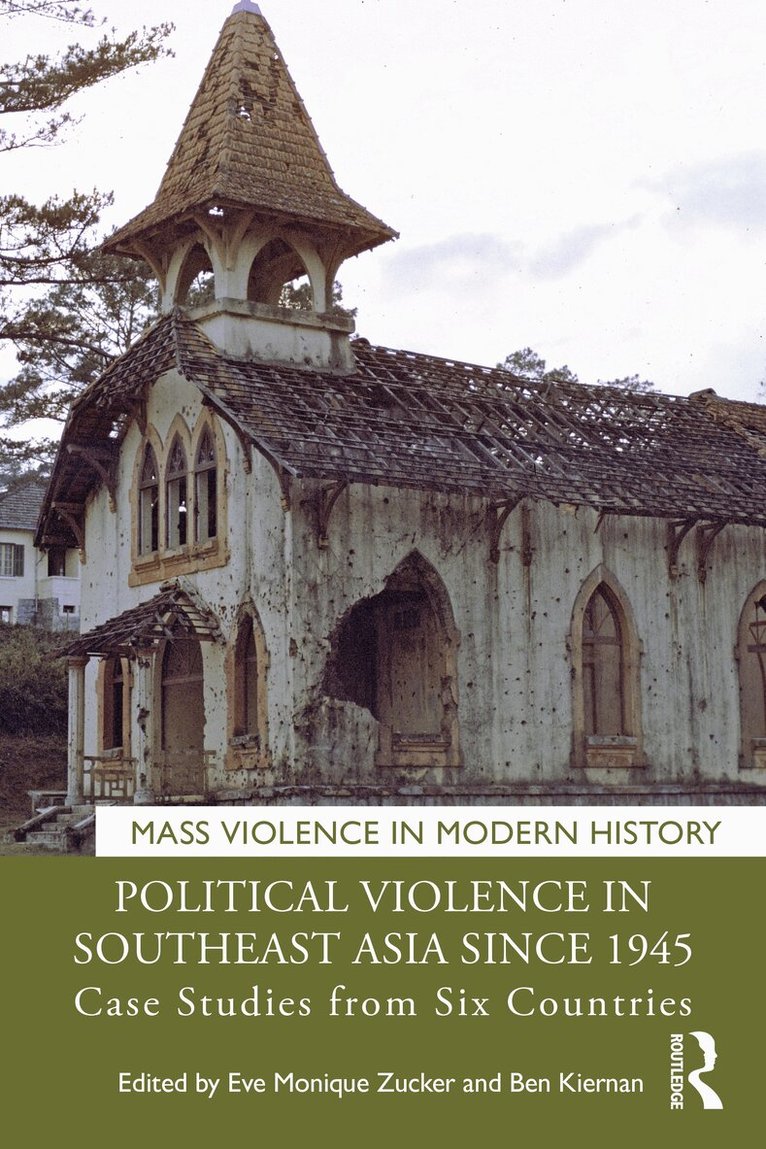
This book examines postwar waves of political violence that affected six Southeast Asian countries – Indonesia, Burma/Myanmar, Cambodia, Thailand, the Philippines, and Vietnam – from the wars of independence in the mid-twentieth century to the recent Rohingya genocide.
Featuring cases not previously explored, and offering fresh insights into more familiar cases, the chapters cover a range of topics including the technologies of violence, the politics of fear, inclusion and exclusion, justice and ethics, repetitions of mass violence events, impunity, law, ethnic and racial killings, crimes against humanity, and genocide. The book delves into the violence that has reverberated across the region spurred by local and global politics and ideologies, through the examination of such themes as identity ascription and formation, existential and ontological questions, collective memories of violence, and social and political transformation. In our current era of global social and political transition, the volume’s case studies provide an opportunity to consider potential repercussions and outcomes of various political and ideological positionings and policies.
Enhancing our understanding of the technologies, techniques, motives, causes, consequences, and connections between violent episodes in the Southeast Asian cases, the book raises key questions for the study of mass violence worldwide.
779 kr
Läs direkt efter köp
This book examines postwar waves of political violence that affected six Southeast Asian countries – Indonesia, Burma/Myanmar, Cambodia, Thailand, the Philippines, and Vietnam – from the wars of independence in the mid-twentieth century to the recent Rohingya genocide.
Featuring cases not previously explored, and offering fresh insights into more familiar cases, the chapters cover a range of topics including the technologies of violence, the politics of fear, inclusion and exclusion, justice and ethics, repetitions of mass violence events, impunity, law, ethnic and racial killings, crimes against humanity, and genocide. The book delves into the violence that has reverberated across the region spurred by local and global politics and ideologies, through the examination of such themes as identity ascription and formation, existential and ontological questions, collective memories of violence, and social and political transformation. In our current era of global social and political transition, the volume’s case studies provide an opportunity to consider potential repercussions and outcomes of various political and ideological positionings and policies.
Enhancing our understanding of the technologies, techniques, motives, causes, consequences, and connections between violent episodes in the Southeast Asian cases, the book raises key questions for the study of mass violence worldwide.
2 727 kr
Skickas inom 3-6 vardagar
2 306 kr
Skickas
2 290 kr
Skickas
667 kr
Läs direkt efter köp
667 kr
Läs direkt efter köp
632 kr
Skickas
682 kr
Skickas inom 7-10 vardagar
637 kr
Skickas
657 kr
Läs direkt efter köp
672 kr
Läs direkt efter köp
667 kr
Läs direkt efter köp
657 kr
Läs direkt efter köp
740 kr
Skickas inom 10-15 vardagar
963 kr
Läs direkt efter köp