1 033 kr
Skickas inom 10-15 vardagar
1 033 kr
Skickas inom 10-15 vardagar
424 kr
Läs direkt efter köp
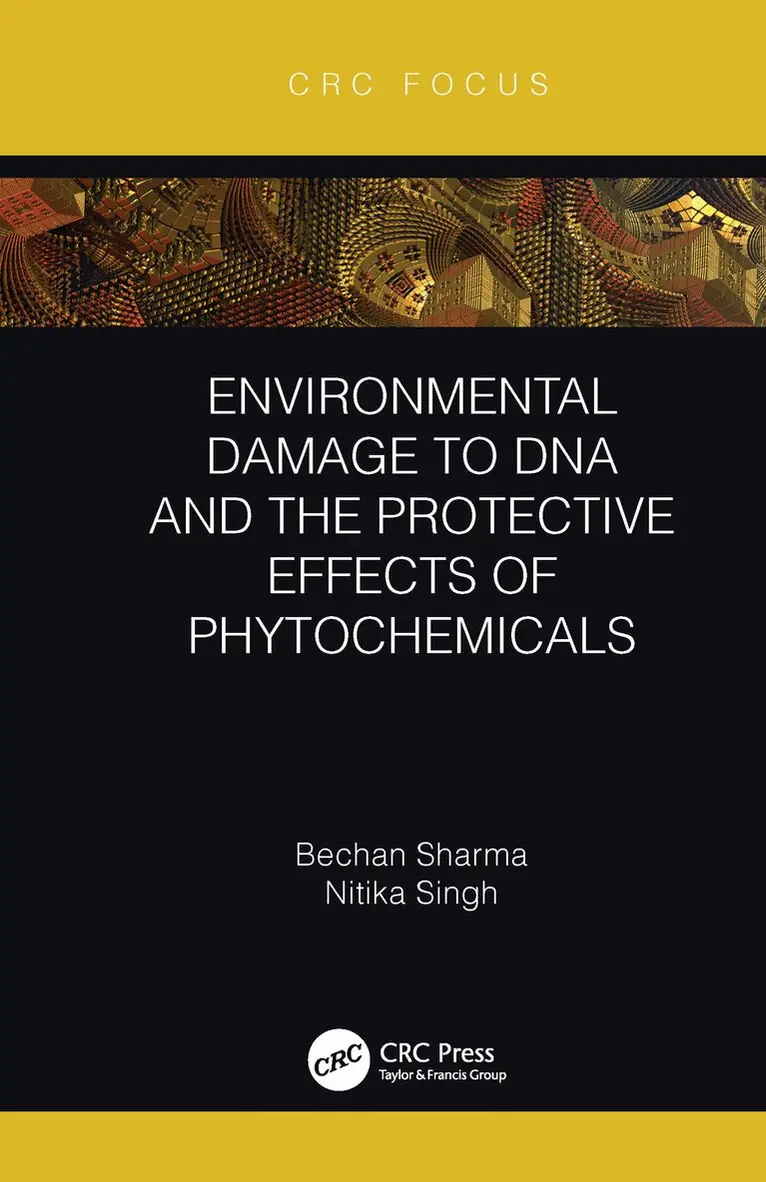
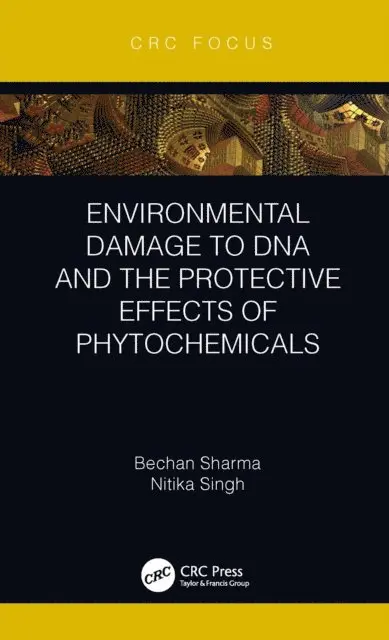
Environmental Damage to DNA and the Protective Effects of Phytochemicals provides information on the toxicity of natural as well as synthetic chemicals in the living systems. These can lead to DNA damage and the emergence of serious consequences or manifestations causing varied health hazards. In addition, the ten chapters of the book reflect on the possible applications of plants or plant extracts to impart protection for living cells from the xenobiotics-mediated DNA damage.
The book offers comprehensive coverage of the many essential topics in the subject including:
Environmental factors and DNA damage
Molecular mechanisms associated with DNA damage by various environmental (Physical, Chemical and Biological) factors
Synergistic effects of environmental factors
Phytochemicals acting both as DNA protectants and genotoxicants
Experimental models for the study of the genotoxic potential of environmental factors and protection by phytochemicals
This book connects readers who possess a life sciences background to the current understanding, concept and mechanisms involved in environmental-factors-mediated DNA damage. Scientific terms are introduced, defined, described and placed appropriately in the text. The protective effect of some plant extracts/phytochemicals has also been included.
Environmental Damage to DNA and the Protective Effects of Phytochemicals is intended to cater the need of BSc, MSc and research students who are striving to discover the mechanism(s) associated with protection of DNA by plant-based chemicals. This is the first edition of our book and the valuable suggestions and comments from the readers are solicited.
424 kr
Läs direkt efter köp
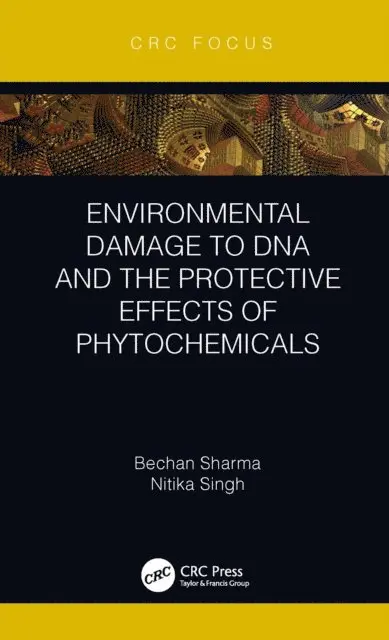
Environmental Damage to DNA and the Protective Effects of Phytochemicals provides information on the toxicity of natural as well as synthetic chemicals in the living systems. These can lead to DNA damage and the emergence of serious consequences or manifestations causing varied health hazards. In addition, the ten chapters of the book reflect on the possible applications of plants or plant extracts to impart protection for living cells from the xenobiotics-mediated DNA damage.
The book offers comprehensive coverage of the many essential topics in the subject including:
Environmental factors and DNA damage
Molecular mechanisms associated with DNA damage by various environmental (Physical, Chemical and Biological) factors
Synergistic effects of environmental factors
Phytochemicals acting both as DNA protectants and genotoxicants
Experimental models for the study of the genotoxic potential of environmental factors and protection by phytochemicals
This book connects readers who possess a life sciences background to the current understanding, concept and mechanisms involved in environmental-factors-mediated DNA damage. Scientific terms are introduced, defined, described and placed appropriately in the text. The protective effect of some plant extracts/phytochemicals has also been included.
Environmental Damage to DNA and the Protective Effects of Phytochemicals is intended to cater the need of BSc, MSc and research students who are striving to discover the mechanism(s) associated with protection of DNA by plant-based chemicals. This is the first edition of our book and the valuable suggestions and comments from the readers are solicited.
1 620 kr
Skickas inom 10-15 vardagar
2 044 kr
Läs direkt efter köp
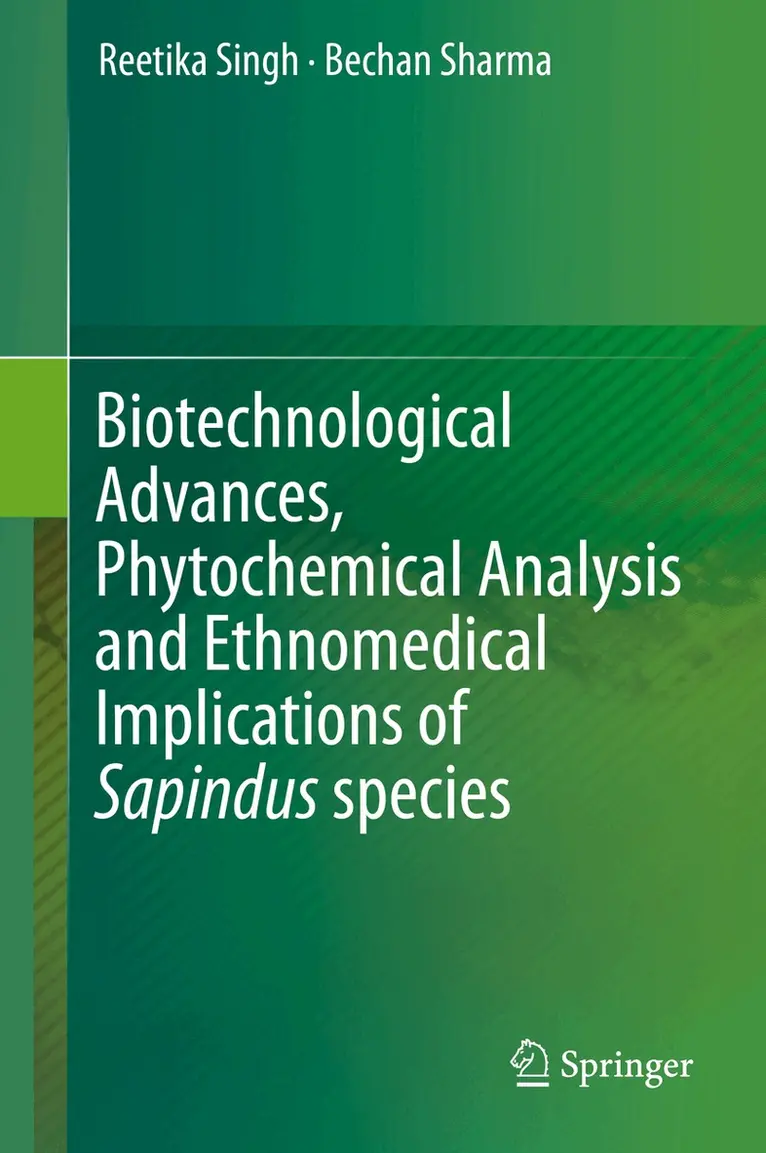
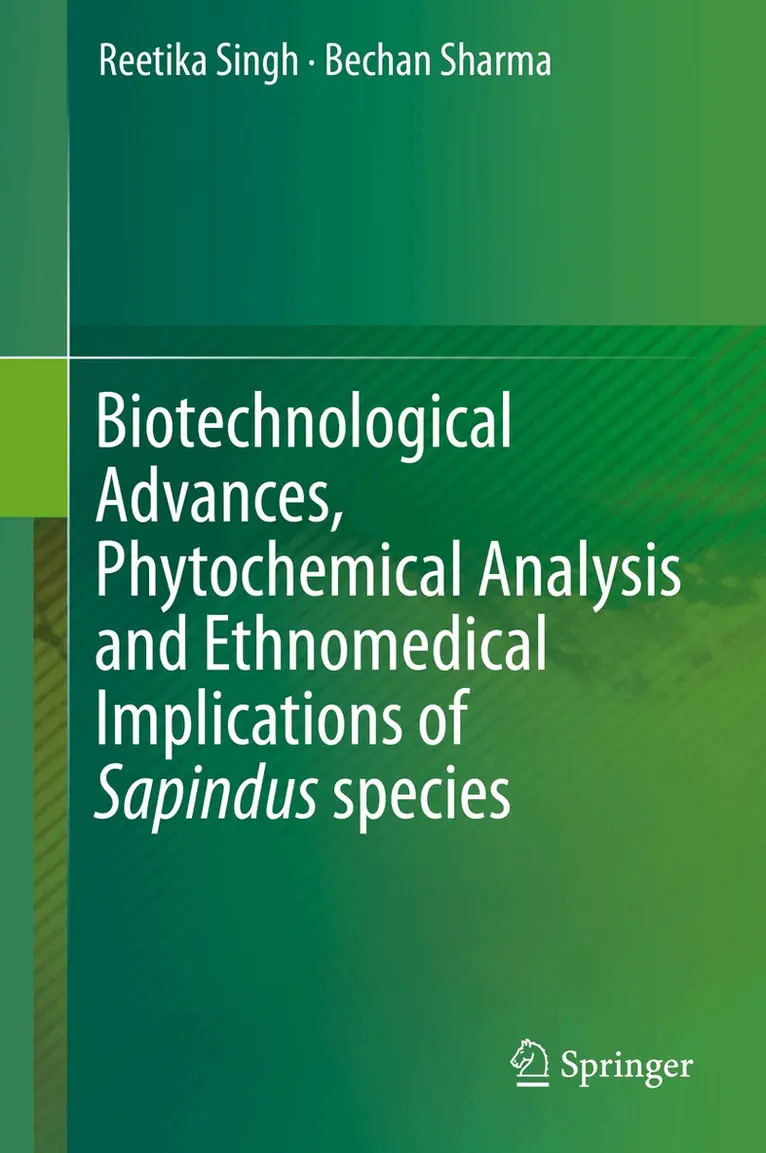
Plants have always occupied a prominent position in the life of every living being. Plants are the primary source of food, shelter and medicines. The global inclination toward herbal medicine has advanced the expansion of plant-based pharmaceutical industries to a vast extent. The production of traditional medicine at global market has been estimated to touch US $5 trillion by 2050. Some of the useful plant-based drugs include vinblastine, vincristine, taxol, podophyllotoxin, camptothecin, digoxigenin, morphine, codeine, aspirin, atropine, capscicine, allicin, curcumin, artemesinin and ephedrine.
Genus Sapindus is an important economical and medicinal trees, distributed over the world. Soap nuts contain higher amount of saponin, a natural detergent which can be used to clean clothes and hairs. Sapindus species possesses various pharmacological properties including antimicrobial, antioxidant, anti-inflammatory, anticancer, hepatoprotective, anti-trichomonas activity. Extracts of this plant are rich in various phytochemicals and polyphenolic compounds. All the pharmacological properties are due to presence of saponins. Biotechnological techniques can improve the saponin content; thus this chemical content can be produced at large scale and can be used as phytomedicine.
We hope that this book would be of great use to under graduates, postgraduates, scientists, researchers and faculty members who are studying, teaching or working in the field of Biotechnology, Phytochemistry and Ethnopharmacology. The techniques explained in this book could be of immense use for the researchers working in this area.We shall deeply appreciate receiving any critical comments and suggestions from the readers from the different parts of globe which would help us improve the first edition of this publication.
1 620 kr
Skickas inom 10-15 vardagar