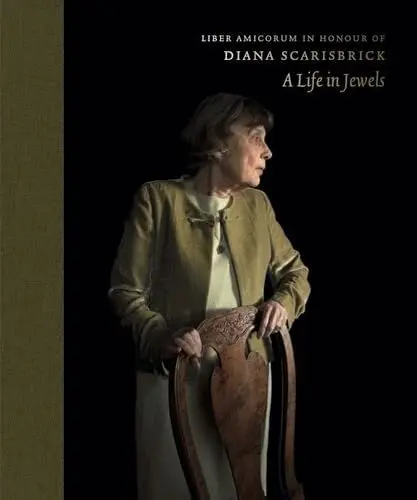
This work, published on the 94th birthday of Diana Scarisbrick, honours her extraordinary career as the ‘world’s leading jewellery historian’. Twenty scholars, most of whom have known and benefited from Scarisbrick’s vast knowledge over many decades, have contributed essays to this book. Liber Amicorum centres around the historian to which it is dedicated, Diana Scarisbrick. The work of the twenty contributors owes much to her own pioneering research in the feeled of jewellery history. The book opens with a brief biographical summary of Scarisbrick’s life before exploring her assiduous work in the field of jewellery history. A subsequent bibliography of Scarisbrick’s career work is provided which includes articles, interviews, and books published from 1970 to the present day, and serves as evidence of her eminence. The work as a whole functions as a ‘small token of appreciation for all that she has contributed to the world of jewellery history’. The essays in this publication cover topics that range from Roman jewellery to the contemporary production of jewellery. Not constrained by a focus on one particular time period, these essays are indicative of the breadth of influence that Diana Scarisbrick’s career has had. Contributions cover several different themes: amongst the objects discussed are gems, rings, chalices, bindings and crown jewels. The themes covered include jewel theft, methods of jewellery production, and the collections of individuals. Throughout each essay the insightful historical research of the contributors is beautifully supported by high quality illustrations. These bring the book to life, highlighting the splendour and fragility of some of the objects that are dicussed.
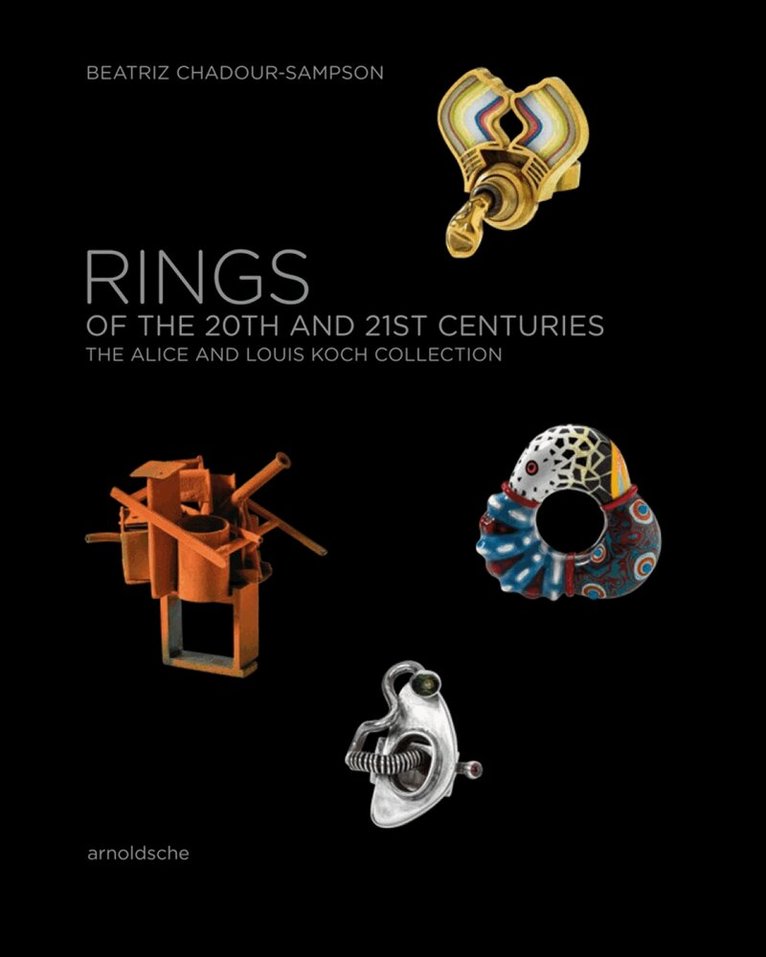
The Alice and Louis Koch Collection of finger rings was originally collated by a jeweller from Frankfurt am Main, once described as the German 'Cartier and Fabergé'. By 1909 the collection comprised 1,722 rings from Antiquity to 1900. Rene Lalique, a contemporary of the time, was included, undoubtedly as a moderniser of the ring form. In the past twenty-five years the fourth generation of the family continued where Louis Koch and his wife Alice left off and expanded the collection to include rings from the twentieth and twenty-first centuries. This publication will present the complete collection of contemporary rings, now kept in the Swiss National Museum, Zurich. Nearly 600 rings by artist jewellers from around the world document how these miniature works of art have become modern sculptures showcasing new materials and techniques, daring designs and current themes. Text in English and German.
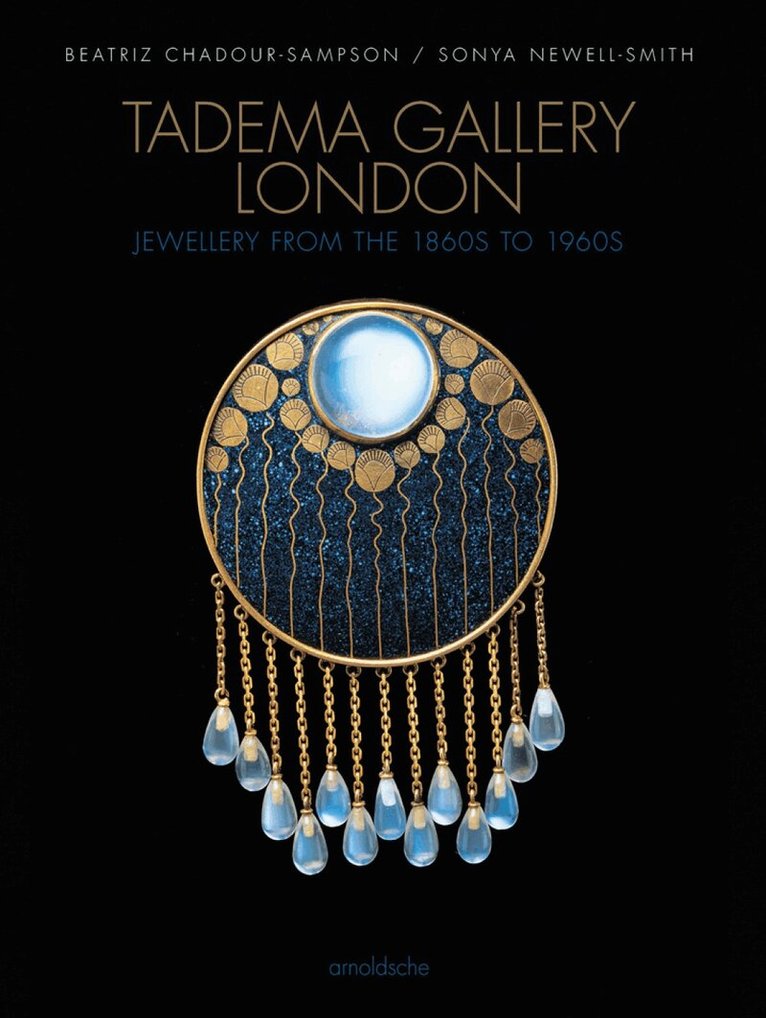
Tadema Gallery was founded in 1978 by Sonya and David Newell-Smith in London's famed Camden Passage in Islington. They were successful photo-journalists who ventured into the field of 20th century abstract art and the decorative arts of the 19th and 20th centuries. By 1982 they had discovered a passion for artist-designed jewellery and showed in the gallery an eclectic choice of jewels from significant designers of the Revivalist, Art Nouveau, Arts & Crafts, Jugendstil, Art Deco, and Modernist movements. With over 500 unique jewellery pieces from the 1860s to 1960s, the book reflects the 40-year history of the gallery and the superb eye of its inspirational founders.
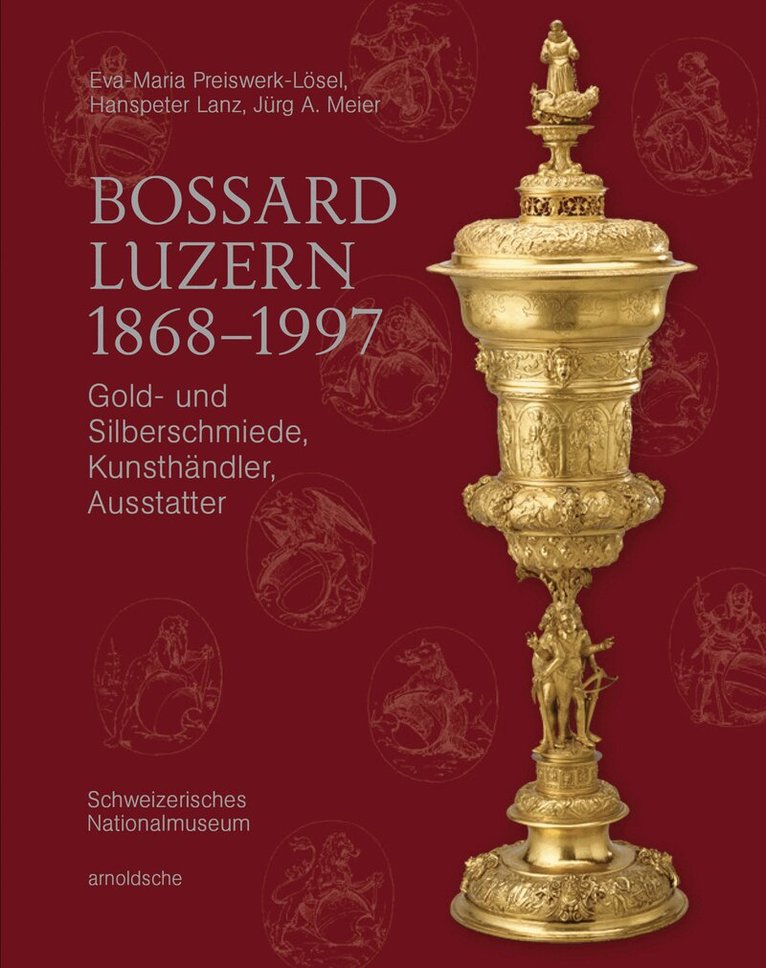
The goldsmith and art dealer Johann Karl Bossard (1846–1914) is regarded as one of the key figures of Historicism in Switzerland. This publication focuses for the first time on not only the workshop’s exceptional production and signature style but also the appropriation and adaptation of historical paradigms as well as Bossard’s international network. The production of jewellery, cutlery, weapons, and commissions for the Church are particularly explored in further detail. In addition, an overview is also given of the production by the successors of the Bossard goldsmithing atelier, extant until 1997. The approximately 500 images lend an impression of the immense workshop legacy, which is preserved by the Swiss National Museum. Moreover, key objects from public and private collections are published for the first time and presented in a comprehensive catalogue section.Text in German.
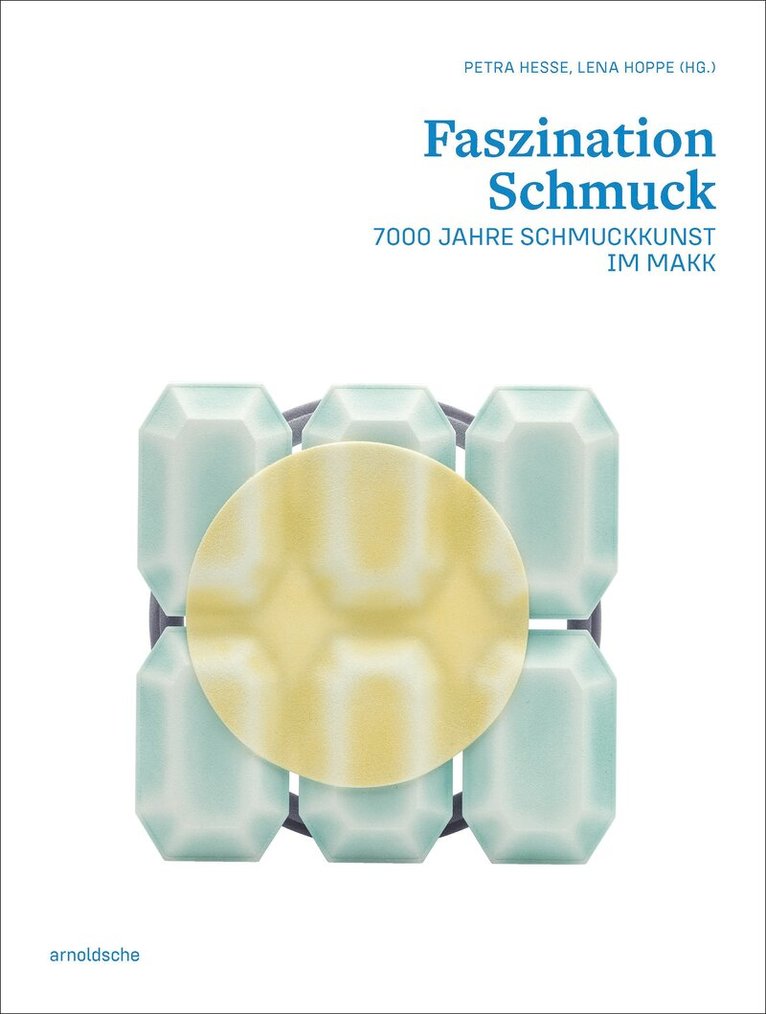
This outstanding jewellery collection of the Cologne Museum of Applied Arts (MAKK) will be showcased for the first time in a dedicated exhibition. Featuring cross-epochal and cross-cultural themes, the exhibition successfully presents diverse approaches to the art of jewellery-making. The photographs of around 370 objects and the accompanying descriptions demonstrate just how multifaceted jewellery design is. The social, societal, emotional, and symbolic aspects of jewellery are also evaluated and discussed in an essay by Beatriz Chadour-Sampson. The MAKK’s jewellery collection of around 1600 works spans a period of 7000 years: from ancient oriental gems from the 5th millennium BC to contemporary jewellery. This is what makes this collection so unique and diverse.Text in English and German.
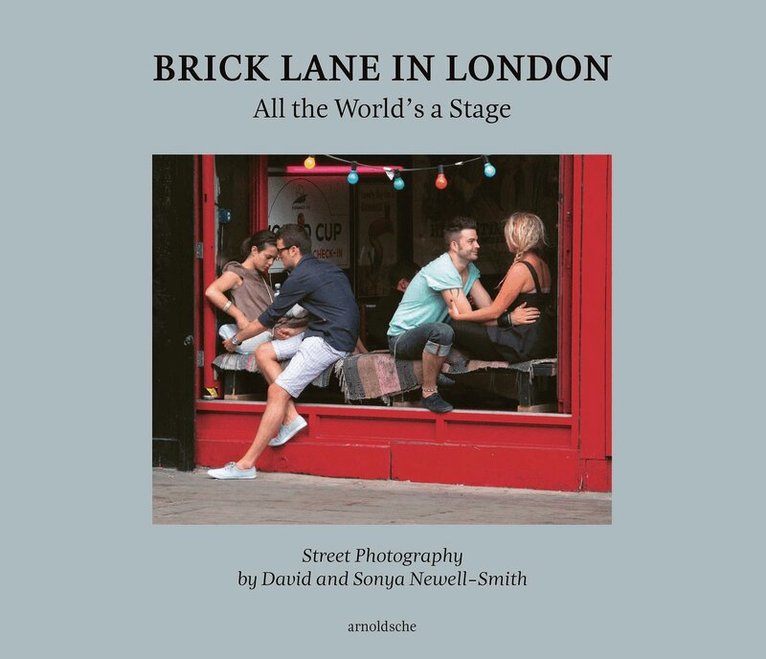
"Images of life, love, humor, and the surreal on London’s Brick Lane form the basis of this sumptuous catalogue of photographs" — Street PhotographyImages of life, love, humour, and the surreal on London’s Brick Lane form the basis of this sumptuous catalogue of photographs. Today Brick Lane is a favourite tourist destination, famous for its street art and theatre, and colourful market stalls. For centuries it was a hub for immigrant communities entering Britain through the nearby docks on the River Thames.Sonya and David Newell-Smith, whose careers began in professional news photojournalism, have spent decades recording the changing streetscape and vibrant personalities of this East End district. This publication serves as a tribute to their passion for street photography, for capturing a ‘decisive moment’, and for documenting everyday lives and diverse cultures, their interactions, and emotional connections. Scholarly texts accompany over 170 photographs curated by Sonya in memory of David (1937–2017).
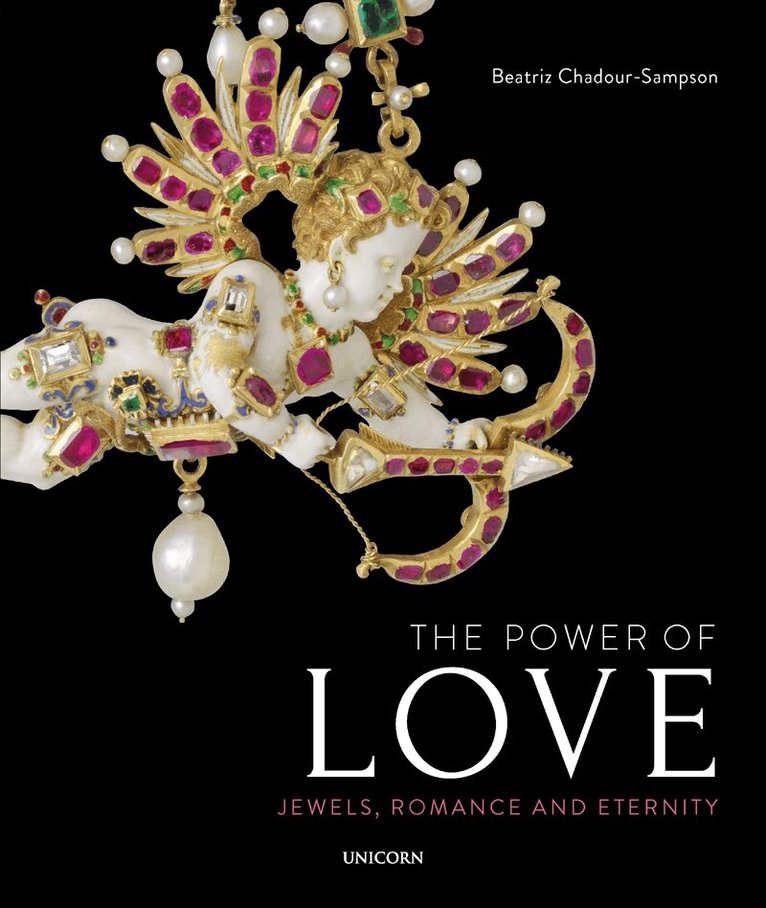
Romance, love and courtship are as universal as the precious jewels they inspire, objects which express deep affection for a loved one and eternal commitment. Wedding traditions have evolved over thousands of years and are based on blessing the couple with good luck and good wishes for unity, happiness and prosperity. The ring is the most personal of all jewels, its endless circular form symbolising the everlasting union of two people. The tradition of giving a betrothal or wedding ring as a promise of marriage goes back to ancient Rome and the ring was believed to have a direct link to the heart when worn on the ring finger of the left hand. It was not until the 15th century that diamond rings were primarily associated with marriage, but from the earliest times rubies or garnets were emblems of passionate love, diamonds or rock crystals symbolised virtue and constancy, sapphires denoted eternal love and emeralds desire and hope. Decorative motifs such as clasped hands, lovers’ knots, crowned hearts, Cupid’s arrows, flowers with hidden messages, snakes and butterflies were imaginatively used by jewellers to create magnificent jewels as symbols of romantic love.