- Nyhet
Häftad, Engelska, 2026
147 kr
Skickas
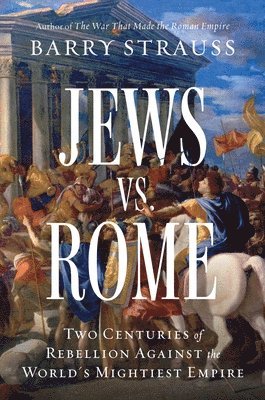
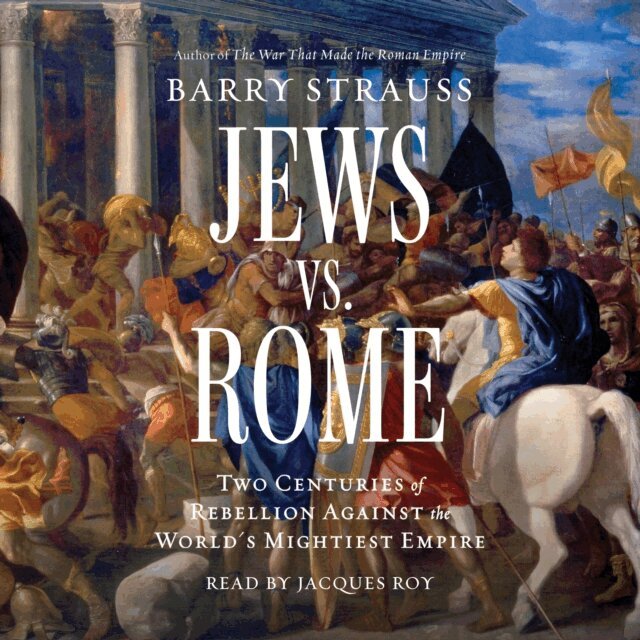
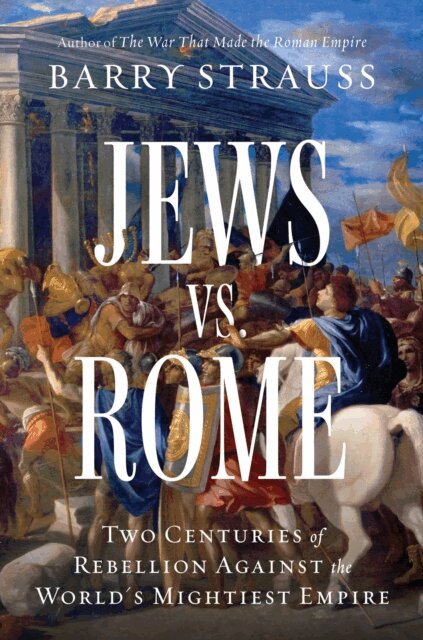
A new history of two centuries of Jewish revolts against the Roman Empire, drawing on recent archeological discoveries and new scholarship by leading historian Barry Strauss.Jews vs. Rome is a gripping account of one of the most momentous eras in human history: the two hundred years of ancient Israel’s battles against Rome that reshaped Judaism and gave rise to Christianity. Barry Strauss vividly captures the drama of this era, highlighting the courageous yet tragic uprisings, the geopolitical clash between the empires of Rome and Persia, and the internal conflicts among Jews. Between 63 BCE and 136 CE, the Jewish people launched several revolts driven by deep-seated religious beliefs and resentment towards Roman rule. Judea, a province on Rome’s eastern fringe, became a focal point of tension and rebellion. Jews vs. Rome recounts the three major uprisings: the Great Revolt of 66–70 CE, which led to the destruction of Jerusalem and the Temple, culminating in the Siege of Masada, where defenders chose mass suicide over surrender; the Diaspora Revolt, ignited by heavy taxes across the Empire; and the Bar Kokhba Revolt. We meet pivotal figures such as Simon Bar Kokhba but also some of those lesser-known women of the era like Berenice, a Jewish princess who played a major role in the politics of the Great Revolt and was improbably the love of Titus—Rome’s future emperor and the man who destroyed Jerusalem and the Temple. Today, echoes of those battles resonate as the Jewish nation faces new challenges and conflicts. Jews vs. Rome offers a captivating narrative that connects the past with the present, appealing to anyone interested in Rome, Jewish history, or the compelling true tales of resilience and resistance.