1 099 kr
Skickas inom 7-10 vardagar
1 099 kr
Skickas inom 7-10 vardagar
603 kr
Läs direkt efter köp
1 471 kr
Skickas inom 7-10 vardagar
2 497 kr
Skickas inom 10-15 vardagar
2 497 kr
Skickas inom 10-15 vardagar
2 497 kr
Skickas inom 10-15 vardagar
2 497 kr
Skickas inom 10-15 vardagar
687 kr
Skickas inom 10-15 vardagar
687 kr
Skickas inom 10-15 vardagar
687 kr
Skickas inom 10-15 vardagar
687 kr
Skickas inom 10-15 vardagar
2 526 kr
Skickas inom 10-15 vardagar
2 526 kr
Skickas inom 10-15 vardagar
695 kr
Skickas inom 10-15 vardagar
656 kr
Skickas inom 10-15 vardagar
2 601 kr
Skickas inom 10-15 vardagar
814 kr
Läs direkt efter köp
814 kr
Läs direkt efter köp
814 kr
Läs direkt efter köp
808 kr
Läs direkt efter köp
International Security Yearbook 1984/85 presents an empirical and objective assessment of the events of the year 1984 and 1985 as they affect U.S. security. It seeks to contribute to the national debate on security policies.
814 kr
Läs direkt efter köp
808 kr
Läs direkt efter köp
808 kr
Läs direkt efter köp
796 kr
Läs direkt efter köp
International Security Yearbook 1984/85 presents an empirical and objective assessment of the events of the year 1984 and 1985 as they affect U.S. security. It seeks to contribute to the national debate on security policies.
814 kr
Läs direkt efter köp
808 kr
Läs direkt efter köp
740 kr
Läs direkt efter köp
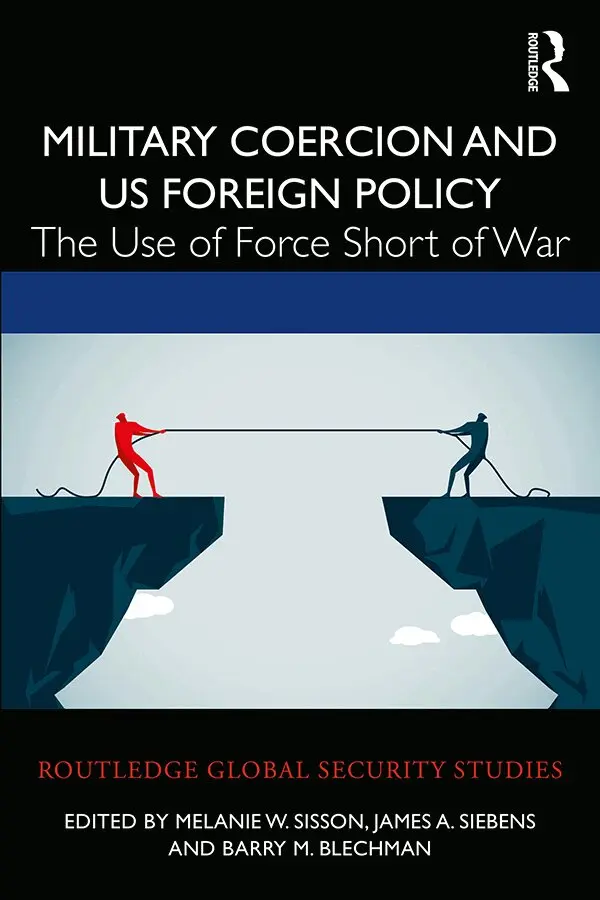
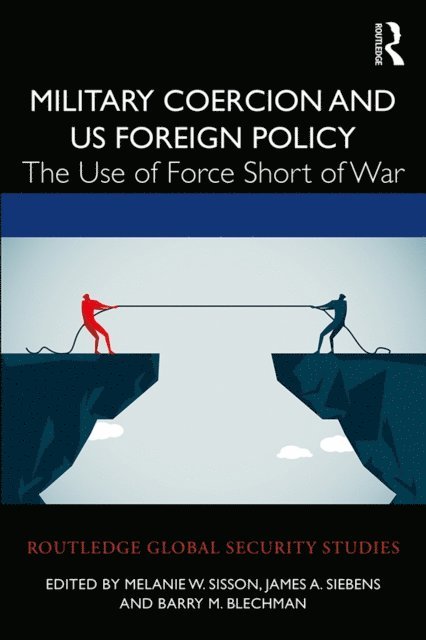
This book examines the use of military force as a coercive tool by the United States, using lessons drawn from the post-Cold War era (1991–2018).
The volume reveals that despite its status as sole superpower during the post-Cold War period, US efforts to coerce other states failed as often as they succeeded. In the coming decades, the United States will face states that are more capable and creative, willing to challenge its interests and able to take advantage of missteps and vulnerabilities. By using lessons derived from in-depth case studies and statistical analysis of an original dataset of more than 100 coercive incidents in the post-Cold War era, this book generates insight into how the US military can be used to achieve policy goals. Specifically, it provides guidance about the ways in which, and the conditions under which, the US armed forces can work in concert with economic and diplomatic elements of US power to create effective coercive strategies.
This book will be of interest to students of US national security, US foreign policy, strategic studies and International Relations in general.
729 kr
Läs direkt efter köp
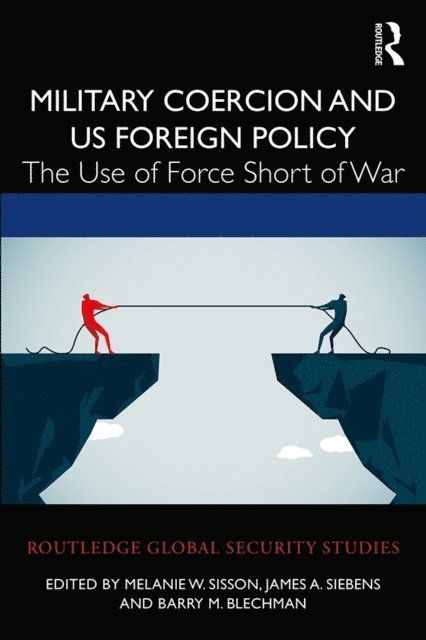
This book examines the use of military force as a coercive tool by the United States, using lessons drawn from the post-Cold War era (1991–2018).
The volume reveals that despite its status as sole superpower during the post-Cold War period, US efforts to coerce other states failed as often as they succeeded. In the coming decades, the United States will face states that are more capable and creative, willing to challenge its interests and able to take advantage of missteps and vulnerabilities. By using lessons derived from in-depth case studies and statistical analysis of an original dataset of more than 100 coercive incidents in the post-Cold War era, this book generates insight into how the US military can be used to achieve policy goals. Specifically, it provides guidance about the ways in which, and the conditions under which, the US armed forces can work in concert with economic and diplomatic elements of US power to create effective coercive strategies.
This book will be of interest to students of US national security, US foreign policy, strategic studies and International Relations in general.
788 kr
Läs direkt efter köp
814 kr
Läs direkt efter köp