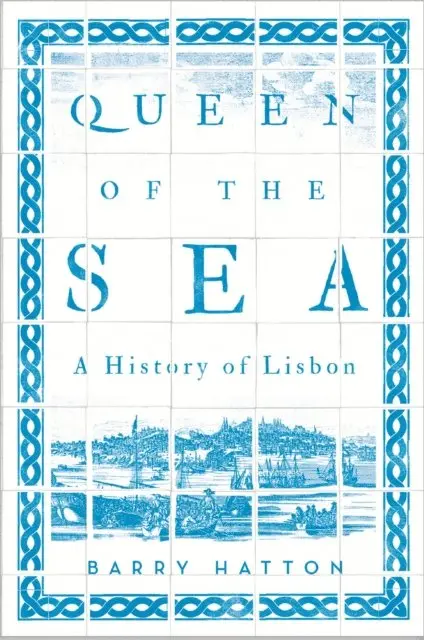
Lisbon''s charm is legendary, but its vibrant 2,000-year history is not widely known, from its Roman legacy to its centuries under Moorish rule. Its journey from port town to Portugal''s capital was not always smooth sailing--in 1755 the city was devastated by the largest earthquake ever to strike modern Europe, followed by a catastrophic tsunami and a six-day inferno that turned sand to glass.Barry Hatton unearths these forgotten memories in a vivid account of Lisbon''s colourful past and present, bringing to life the 1147 siege during the Iberian reconquista, the assassination of the king, the founding of a republic and the darkness of a modern dictatorship. He reveals the rich, international heritage of Portugal''s metropolis--the gateway to the Atlantic and the unrivalled Queen of the Sea.
Lisbon''s charm is legendary, but its vibrant 2,000-year history is not widely known, from its Roman legacy to its centuries under Moorish rule. Its journey from port town to Portugal''s capital was not always smooth sailing--in 1755 the city was devastated by the largest earthquake ever to strike modern Europe, followed by a catastrophic tsunami and a six-day inferno that turned sand to glass.Barry Hatton unearths these forgotten memories in a vivid account of Lisbon''s colourful past and present, bringing to life the 1147 siege during the Iberian reconquista, the assassination of the king, the founding of a republic and the darkness of a modern dictatorship. He reveals the rich, international heritage of Portugal''s metropolis--the gateway to the Atlantic and the unrivalled Queen of the Sea.
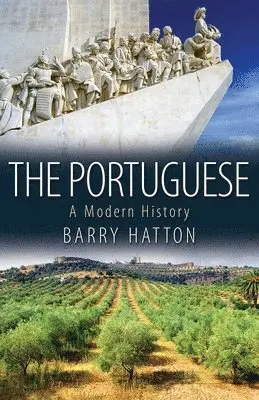
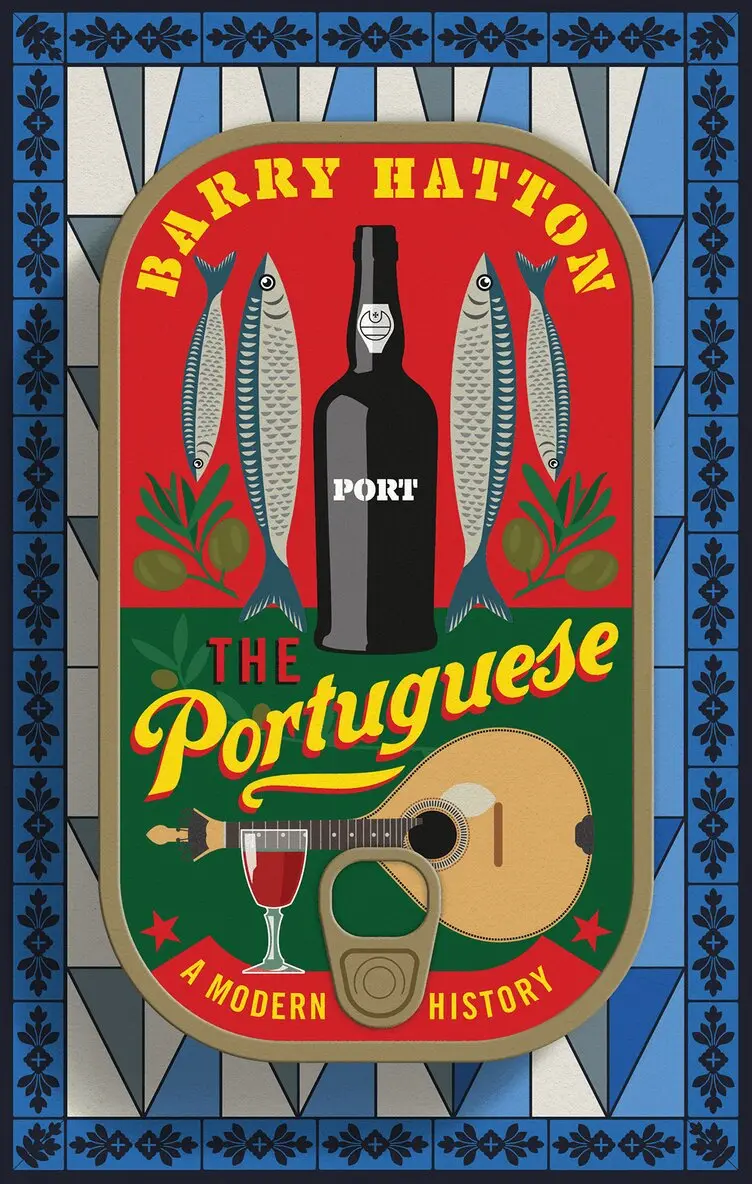
‘Hatton clearly loves Portugal … engaging, often delightful.’ — Publishers WeeklyAn intimate portrait of this fascinating country, capturing its contradictions and charms.Though a founding member of NATO and the euro, Portugal is often overlooked, a small country on Europe’s southwestern edge. In The Portuguese, veteran journalist Barry Hatton blends historical insight with personal anecdotes to explore this enigmatic nation.During the 1400s and 1500s, Portuguese explorers led Europe into the Atlantic and helped connect Asia with Europe, creating a vast four-continent empire. This legacy still resonates today, particularly through the Portuguese language, spoken by over 220 million people worldwide. Hatton examines Portugal’s vibrant yet turbulent past—from the 1755 Lisbon earthquake, which shook European thinking and began a long decline, through António Salazar’s dictatorship, to its end in the 1974 Carnation Revolution, briefly thrusting Portugal into Cold War geopolitics. Hatton also explores the country’s complex ties with neighbouring Spain, and its oldest ally, England.With diverse landscapes, rich cultural heritage, a love of food and fine wine, an easy-going lifestyle and a rebellious streak, the Portuguese are uniquely compelling. Hatton’s portrait is intimate and revealing, capturing the charms and contradictions of a fascinating country.An established classic history of Portugal Author is a journalist who has been based in Lisbon for over 30 years A concise and thorough narrative history of this beguiling country
An intimate portrait of this fascinating country, capturing its contradictions and charms.Though a founding member of NATO and the euro, Portugal is often overlooked, a small country on Europes southwestern edge. In The Portuguese, veteran journalist Barry Hatton blends historical insight with personal anecdotes to explore this enigmatic nation.During the 1400s and 1500s, Portuguese explorers led Europe into the Atlantic and helped connect Asia with Europe, creating a vast four-continent empire. This legacy still resonates today, particularly through the Portuguese language, spoken by over 220 million people worldwide. Hatton examines Portugals vibrant yet turbulent pastfrom the 1755 Lisbon earthquake, which shook European thinking and began a long decline, through Antnio Salazars dictatorship, to its end in the 1974 Carnation Revolution, briefly thrusting Portugal into Cold War geopolitics. Hatton also explores the countrys complex ties with neighbouring Spain, and its oldest ally, England.With diverse landscapes, rich cultural heritage, a love of food and fine wine, an easy-going lifestyle and a rebellious streak, the Portuguese are uniquely compelling. Hattons portrait is intimate and revealing, capturing the charms and contradictions of a fascinating country. .
‘[An] exotic history of triumph and riches, disaster and decline.’ — The Times ‘A companionable history of a darkly intriguing city.’ — Financial Times ‘A readable history . . . hugely engaging.’ — History Today A general history of Lisbon Lisbon’s charm is legendary, but its vibrant 2,000-year history is not widely known, from its Roman legacy to its centuries under Moorish rule. Its journey from port town to Portugal’s capital was not always smooth sailing—in 1755 the city was devastated by the largest earthquake ever to strike modern Europe, followed by a catastrophic tsunami and a six-day inferno that turned sand to glass. Barry Hatton unearths these forgotten memories in a vivid account of Lisbon’s colourful past and present, bringing to life the 1147 siege during the Iberian reconquista, the assassination of the king, the founding of a republic and the darkness of a modern dictatorship. He reveals the rich, international heritage of Portugal’s metropolis—the gateway to the Atlantic and the unrivalled Queen of the Sea. A dramatic and intimate portrait of one of the world’s great cities. Although Lisbon has a rich and colourful past, its 2,000-year history is not well-known An intimate portrait of a city that witnessed the Roman Empire, medieval sieges, the global slave trade, invasion by Napoleon, and a 20th c dictator