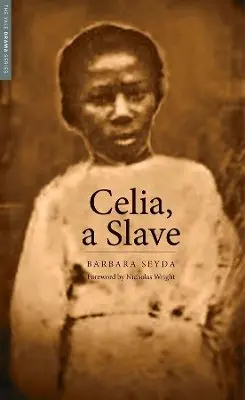
The ninth winner of the Yale Drama Series is a searing and powerful drama of slave litigation, injustice, institutional racism, and the rule of law.The winner of the 2015 Yale Drama Series playwriting competition was selected by Nicholas Wright, former Associate Director of London’s Royal Court. Barbara Seyda’s stunningly theatrical Celia, a Slave is a vivid tableau of interviews with the dead that interweaves oral histories with official archival records. Powerful, poetic, and stylistically bold, this work foregrounds twenty-three diverse characters to recall the events that led to the hanging of nineteen-year-old Celia, an African American slave convicted in a Missouri court of murdering her master, the prosperous landowner Robert Newsom, in 1855. Excavating actual trial transcripts and court records, Seyda bears witness to racial and sexual violence in U.S. history, illuminating the brutal realities of female slave life in the pre–Civil War South while exploring the intersection of rape, morality, economics, and gender politics that continue to resonate today.
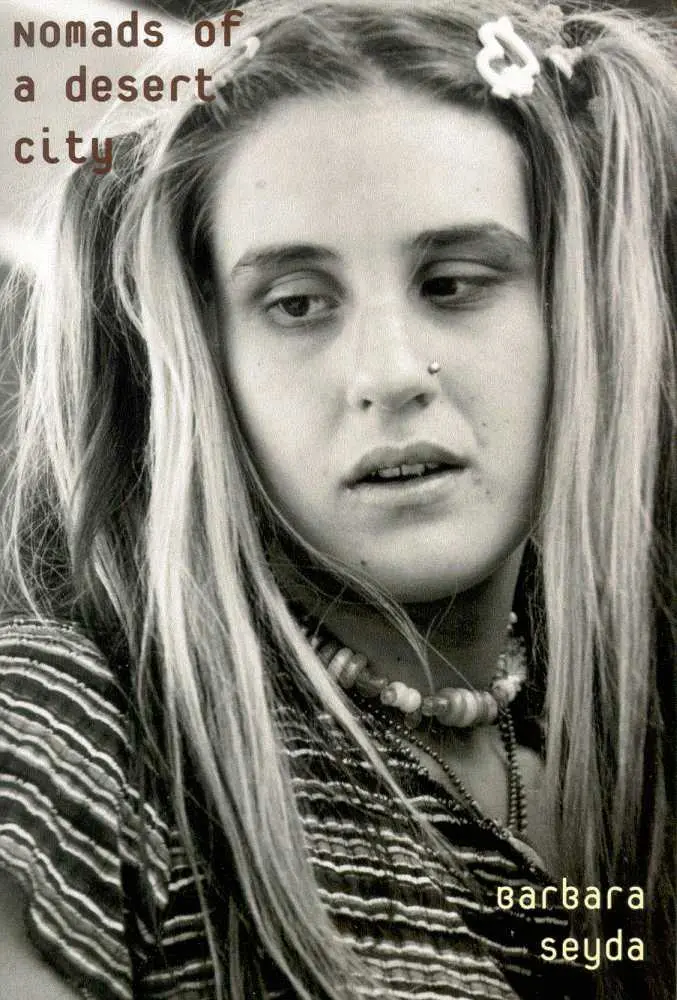
You see them as faceless shapes on the median or in city parks. You recognize them by their cardboard signs, their bags of aluminum cans, or their weathered skin. But you do not know them. In Nomads of a Desert City Barbara Seyda meets the gazes of our homeless neighbors and, with an open heart and the eye of an accomplished photographer, uncovers their compelling stories of life on the edge. Byrdy is a teenager from Alaska who left a violent husband and misses the young daughter her mother now cares for. Her eyes show a wisdom that belies her youth. Samuel is 95 and collects cans for cash. His face shows a lifetime of living outside while his eyes hint at the countless stories he could tell. Lamanda worked as an accountant before an act of desperation landed her in prison. Now she struggles to raise the seven children of a woman she met there. Dorothy whose earliest memories are of physical and sexual abuse lives in a shelter, paycheck to paycheck, reciting affirmations so she may continue to grace the world with my presence. They live on the streets or in shelters. They are women and men, young and old, Native or Anglo or Black or Hispanic.Their faces reflect the forces that have shaped their lives: alcoholism, poverty, racism, mental illness, and abuse. But like desert survivors, they draw strength from some hidden reservoir. Few recent studies on homelessness offer such a revealing collection of oral history narratives and compelling portraits. Thirteen homeless women and men open a rare window to enrich our understanding of the complex personal struggles and triumphs of their lives. Nomads of a Desert City sheds a glaring light on the shadow side of the American Dream, nd takes us to the crossroads of despair and hope where the human spirit survives.