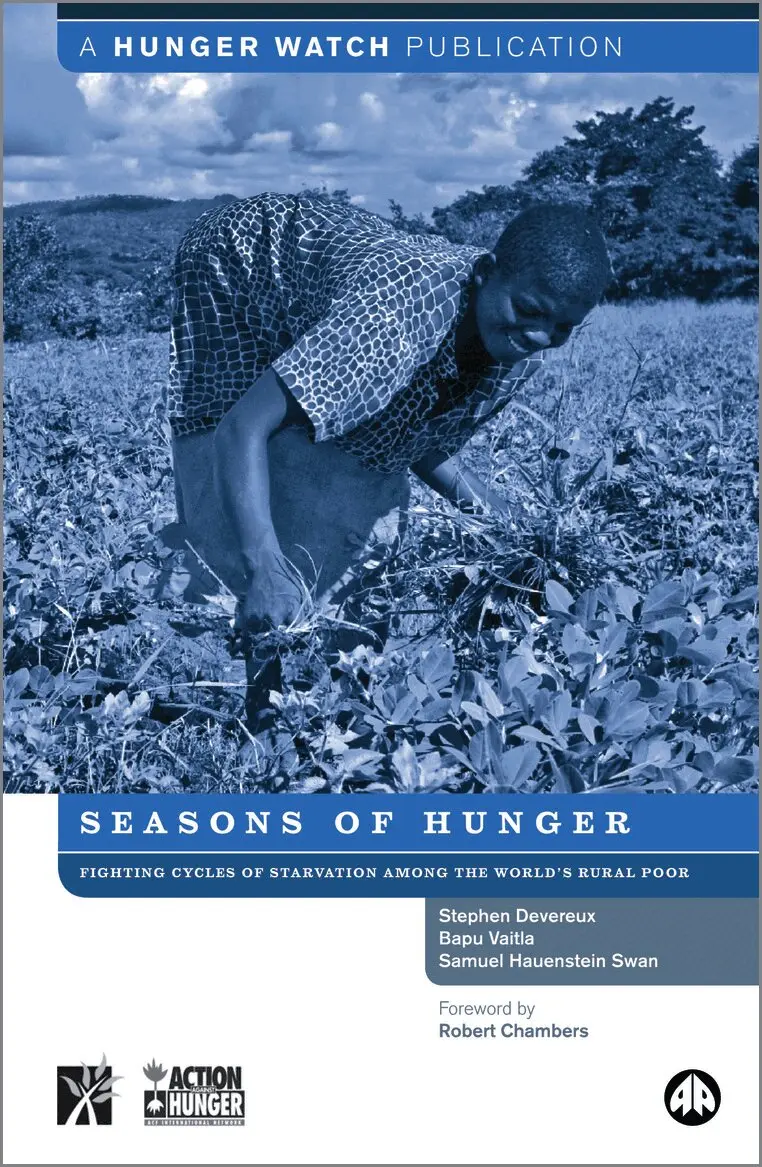
Every year, millions of the rural poor suffer from predictable and preventable seasonal hunger. This hunger is less dramatic but no less damaging than the starvation associated with famines, wars and natural disasters. Seasons of Hunger explores why the world does not react to a crisis that we know will continue year after year.Seasonal hunger is caused by annual cycles of shrinking food stocks, rising prices, and lack of income. This hidden hunger pushes millions of children to the brink of starvation every year, permanently stunting their physical and cognitive development, weakening their immune systems and opening the door for killer diseases. Action Against Hunger argue that ending seasonal hunger could save millions of young lives and is key to achieving the Millennium Development Goals. This book documents seasonal hunger in four countries - India, Malawi, Mali and Myanmar - including personal stories and country-wide data which shows the magnitude of the problem. The authors also find encouraging examples of interventions designed to address seasonality - initiatives led by governments, donors and NGOs, and poor people themselves - and propose a package of advocacy messages that could contribute to the global eradication of seasonal hunger. This book will be a valuable resource for journalists, policy makers, NGO members and students of development studies.
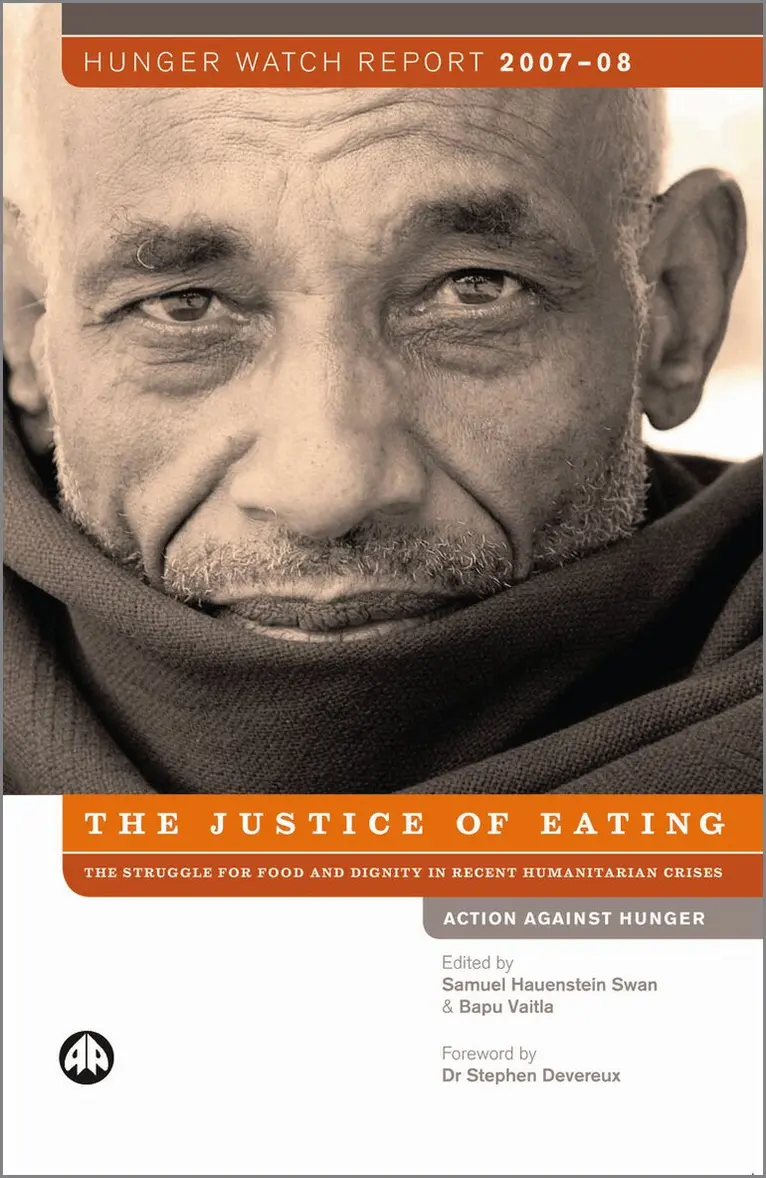
This is the first annual report from leading NGO, Action Against Hunger. It presents an accessible jargon free account of the causes and consequences of acute malnutrition around the world. It is the most up to date account which will be valuable to journalists, policy makers and anyone working in international development.The report assesses the problem of acute malnutrition from the ground up. Beginning with the immediate causes of hunger (inadequate dietary intake and disease) it progresses to study the larger structural and social factors that perpetuate it. Case studies include the impact of HIV/AIDS, conflict, weak markets, mortality and malnutrition.This analysis draws on 450 surveys undertaken by Action Against Hunger, presenting maps and graphs to give a comprehensive global overview of malnutrition. The report recommends that a shift in traditional emergency objectives needs to be considered as part of a holistic approach to persistent hunger.
This is the first annual report from leading NGO, Action Against Hunger. It presents an accessible jargon free account of the causes and consequences of acute malnutrition around the world. It is the most up to date account which will be valuable to journalists, policy makers and anyone working in international development.The report assesses the problem of acute malnutrition from the ground up. Beginning with the immediate causes of hunger (inadequate dietary intake and disease) it progresses to study the larger structural and social factors that perpetuate it. Case studies include the impact of HIV/AIDS, conflict, weak markets, mortality and malnutrition.This analysis draws on 450 surveys undertaken by Action Against Hunger, presenting maps and graphs to give a comprehensive global overview of malnutrition. The report recommends that a shift in traditional emergency objectives needs to be considered as part of a holistic approach to persistent hunger.