50 Jahre Forschung über Hochschulen im Osten Deutschlands: 1964 war das Institut für Hochschulpolitik an der Humboldt-Universität zu Berlin gegründet worden. 2014 war das Institut für Hochschulforschung Halle-Wittenberg (HoF) in seiner heutigen Form inhaltlich und organisatorisch konsolidiert. Dazwischen lagen noch zwei weitere Institute, sehr unterschiedliche Umfeldentwicklungen und mehrere krisenhafte Situationen, darunter ein Wechsel des Gesellschaftssystems. Auf je eigene Weise waren alle vier Einrichtungen mit ihren Vorgängern bzw. Nachfolgern verknüpft. Im Mittelpunkt der Betrachtung steht das Institut, das mit 230 Wissenschaftler.innen den quantitativen Höhepunkt in diesen fünf Jahrzehnten markierte: das Zentralinstitut für Hochschulbildung Berlin (ZHB), gegründet 1982, abgewickelt 1990. Von diesem ausgehend werden das Vorgängerinstitut, das Umfeld sonstiger Forschungen über Hochschulen in der DDR, die Anschlusseinrichtung "Projektgruppe Hochschulforschung Berlin-Karlshorst" (1991–1995) und das wiederum nachfolgende Institut für Hochschulforschung Halle-Wittenberg (HoF, seit 1996) in den Blick genommen. Zu verfolgen sind so organisatorische, kulturelle und inhaltliche Kontinuitäten wie Brüche innerhalb zweier Gesellschaftssysteme und über den 1989er Systemwechsel hinweg: 25 Jahre vor und 25 Jahre nach der Implosion des DDR-Sozialismus.
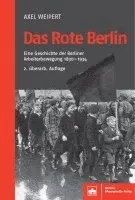
The Berlin council movement of 1919–20 proves that there was a left alternative beyond Social Democracy and Stalinism in the German Revolution. The movement combined an impressive mass mobilisation with extensive socialist and democratic aspirations that pointed far beyond the Weimar order. Berlin was not just the centre of the November Revolution of 1918, but also the most important arena of the Second Revolution that followed. For the first time, the movement is analysed here in all its diversity and on the basis of a broad range of sources. Beside the workers' and factory councils, it also includes councils of students, women, the unemployed and intellectuals. Central events such as the 1919 general strike and the struggle against the Kapp Putsch of 1920 are also examined.