736 kr
Skickas inom 10-15 vardagar
736 kr
Skickas inom 10-15 vardagar
2 620 kr
Skickas inom 10-15 vardagar
856 kr
Läs direkt efter köp
850 kr
Läs direkt efter köp
2 620 kr
Skickas inom 10-15 vardagar
856 kr
Läs direkt efter köp
Differing interpretations of the history of the United Nations on the one hand conceive of it as an instrument to promote colonial interests while on the other emphasize its influence in facilitating self-determination for dependent territories. The authors in this book explore this dynamic in order to expand our understanding of both the achievements and the limits of international support for the independence of colonized peoples. This book will prove foundational for scholars and students of modern history, international history, and postcolonial history.
856 kr
Läs direkt efter köp
Differing interpretations of the history of the United Nations on the one hand conceive of it as an instrument to promote colonial interests while on the other emphasize its influence in facilitating self-determination for dependent territories. The authors in this book explore this dynamic in order to expand our understanding of both the achievements and the limits of international support for the independence of colonized peoples. This book will prove foundational for scholars and students of modern history, international history, and postcolonial history.
1 703 kr
Skickas inom 10-15 vardagar
2 105 kr
Läs direkt efter köp
1 420 kr
Skickas inom 3-6 vardagar
1 027 kr
Läs direkt efter köp
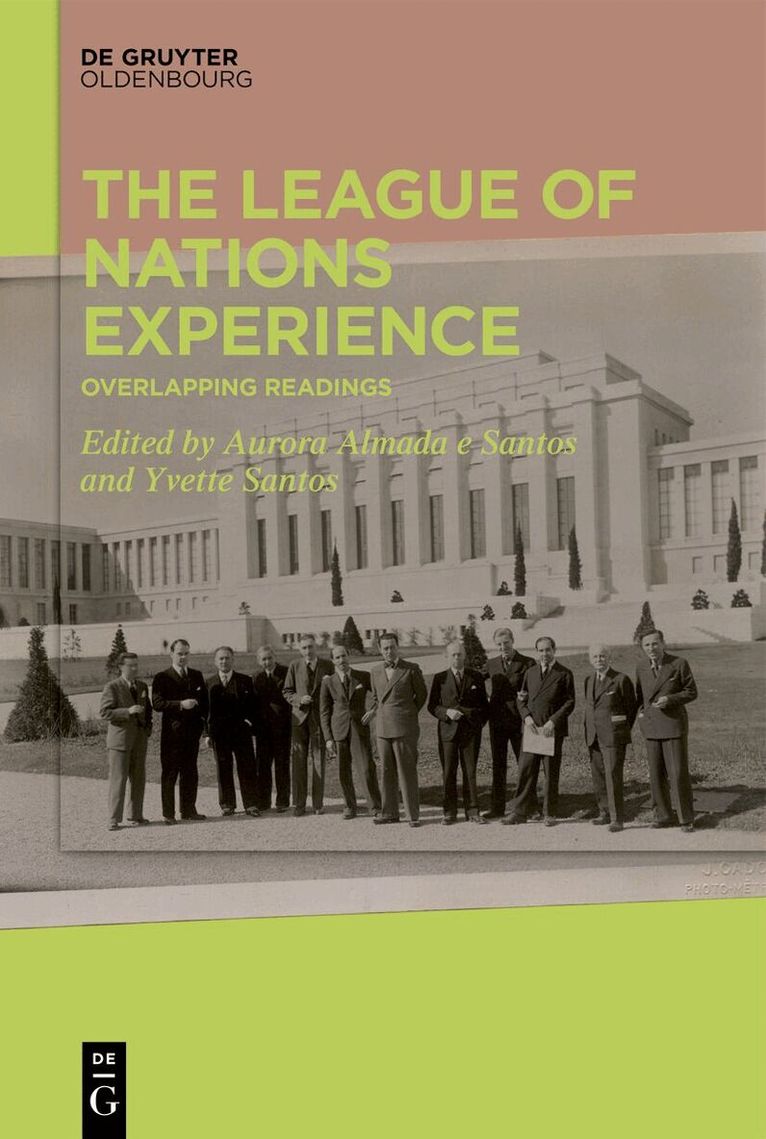
As an early experiment in the creation of multilateral institutions, the League of Nations was entrusted by its members to maintain peace but also to be a standard-maker and a manager of contemporary problems and challenges requiring a global response. Nevertheless, after a while it became clear that its performance in addressing major conflicts did not live up to the expectations of guarantying collective security. In the functional areas, although the organization created precedents, it also showed limitations. Due to its complexity, increasingly the League of Nations has been studied not only from an institutional perspective but also from a more multidimensional and comparative point of view that allows to consider the presence and role of the organization in various scales and spaces, besides its relationship with a diversity of actors and themes. The League of Nations Experience: Overlapping Readings offers a multitude of interpretations, evincing some of the promising avenues through which the League of Nations continues to inspire academic research.