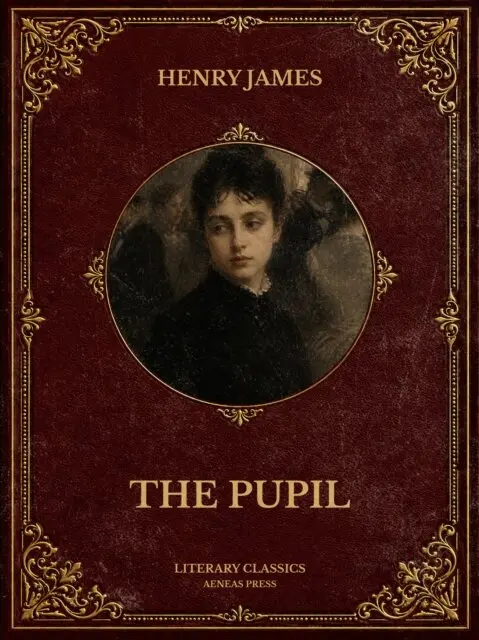
A poor young tutor is hired by a shabby-genteel family drifting round the hotels of Europe, and finds his pupil is the cleverest person in the household and the only one ashamed of it. James wrote it in 1891 and thought it among his best; the boy''s education consists of learning exactly what his parents are, and the tutor''s consists of learning what he himself will not do. Fifty-eight plates of dinners, tea tables, sewing hands and portraits by painters including Henry Sargent and Giovanni Boldini catch the shabby-genteel interiors and watchful faces of the world the tutor enters.
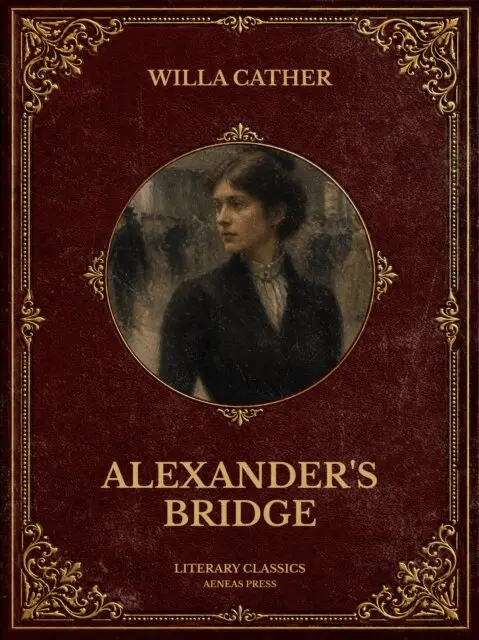
A great bridge-builder, a wife in Boston, a first love found again in London, and a cantilever span over the St Lawrence that his firm has been asked to build cheaper than it can safely be built. Cather moved to the Nebraska prairie at nine and made the homesteaders her subject; this was her first novel, and she later half-disowned it as an imitation of Henry James — which is unfair, because the bridge is entirely hers. Fifty-nine plates, from Henry Sargent to Thomas Eakins, trace the drawing rooms, dinner parties, and public spectacles of the world Cather''s engineer moves through.
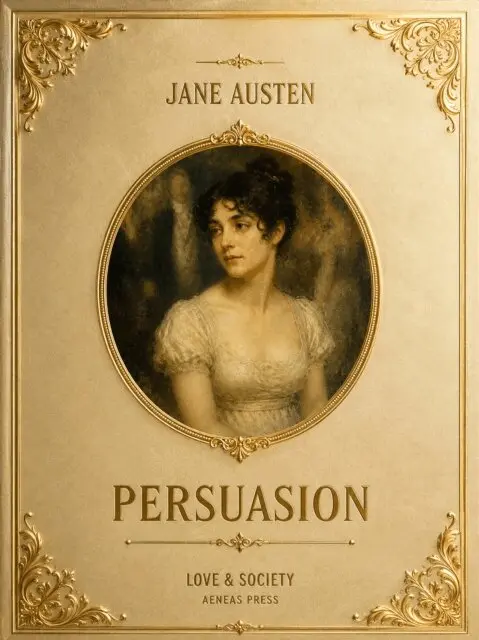
Eight years ago Anne Elliot was persuaded to refuse a naval officer with no fortune. He returns a captain with prize money, and she must watch him court someone else while her family''s debts close in. Austen wrote it as her health failed and did not live to see it published; it is the quietest of her novels and the one her admirers reread. Fifty-nine plates of landscape and sea painting from 1777 to 1850, among them works by Constable and Morland, follow the novel''s own turn from shore to open water.
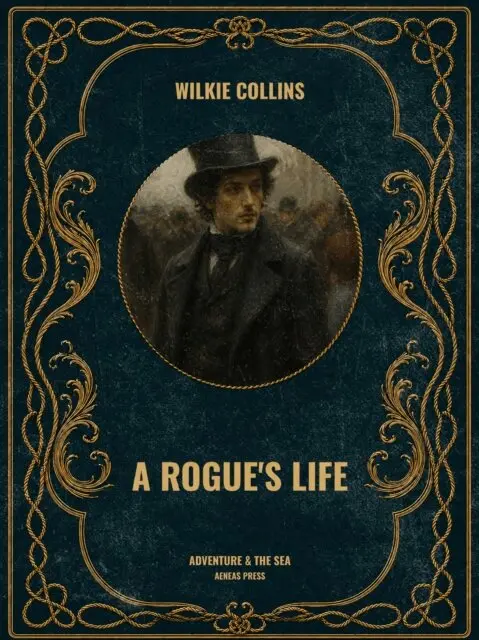
Frank Softly, disinherited, tries caricature, portrait painting, forging Old Masters, and finally coining — and narrates his own downfall with unbroken good humor, from the colony he has been transported to. Collins wrote this in 1856, before The Woman in White; it is the only comic novel he ever produced, and the chapters on manufacturing Rembrandts are technical enough to be useful.
Child Christopher, a king''s son raised in ignorance of it, and Goldilind, a queen kept prisoner in her own castle by the man who governs for her — they meet in a wood, as outlaws. Morris took the plot from the medieval romance of Havelok the Dane and rewrote it in his late deliberate English; his wallpapers are still in production, and this romance, printed at his own Kelmscott Press, was made to be beautiful as an object first. Fifty-eight plates of river light and English landscape, from Constable and Turner to Whistler, run through this tale of a king''s son and a captive queen.
Galusha Bangs, an archaeologist of enormous learning and no practical sense whatever, takes a room in a Cape Cod boarding house to recover his health, and finds himself defending his landlady''s savings from a spiritualist and a bad investment. Lincoln built a whole career out of one place; Galusha is his best character, and the joke is that the vaguest man on the Cape turns out to be the only one paying attention. Fifty-seven plates from 1840 to 1912, including Winslow Homer''s Maine Coast and Saco Bay, follow the shore and cliff light that Cape Cod comedy lives by.
A man with a burden on his back leaves the City of Destruction and walks — through the Slough of Despond, Vanity Fair and the Valley of the Shadow — toward a city he has only heard of. Bunyan, a tinker''s son, wrote it in Bedford jail during twelve years'' imprisonment for preaching without a license; for two centuries it was the book English-speaking households owned besides the Bible. The second part, written six years later, sends Christian''s wife and children down the same road, where the dangers are not the same ones. Its 68 original illustrations have been carefully restored and coloured for this edition.
Tom Grogan is a stevedore contractor on the Staten Island waterfront, hires and fires, faces down the union and the local bosses — and is a woman, running her dead husband''s business under his name because no one would give a contract to a widow. Smith built the foundation of the Statue of Liberty and painted watercolors for major museums; this 1896 novel was drawn from a woman he had watched do it. Fifty-six plates of harbour and waterfront painting by artists including Edvard Munch and George Bellows carry the working life of the port through the years of Tom Grogan.