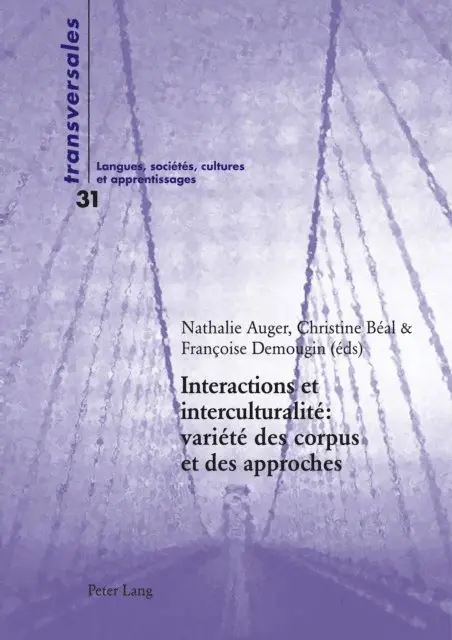
Cet ouvrage propose une reflexion sur les enjeux du multilinguisme a l oeuvre lors de l acquisition d une nouvelle langue, qu il s agisse de contextes formels ou informels. Ces travaux sont essentiels pour ameliorer la formation des enseignants. Ils montrent comment les langues participent au changement social et constituent un terrain fertile d innovations tant epistemologiques que pedagogiques pour les chercheurs en sciences humaines du XXIe siecle. This book offers a reflection on the issue of multilingualism and the social changes at play when considering language acquisition processes (in both informal and formal settings) in order to understand the impact of recognizing these factors on teacher training. This work on the forms of development of bi-plurilingualism and emerging innovative training shows how languages participate in social change and constitute a fertile ground for reflection for researchers in the human sciences of the 21st century.
Cet ouvrage propose une reflexion sur les enjeux du multilinguisme a l oeuvre lors de l acquisition d une nouvelle langue, qu il s agisse de contextes formels ou informels. Ces travaux sont essentiels pour ameliorer la formation des enseignants. Ils montrent comment les langues participent au changement social et constituent un terrain fertile d innovations tant epistemologiques que pedagogiques pour les chercheurs en sciences humaines du XXIe siecle. This book offers a reflection on the issue of multilingualism and the social changes at play when considering language acquisition processes (in both informal and formal settings) in order to understand the impact of recognizing these factors on teacher training. This work on the forms of development of bi-plurilingualism and emerging innovative training shows how languages participate in social change and constitute a fertile ground for reflection for researchers in the human sciences of the 21st century.