With colorful photos and illustrations, the history of nickel once nicknamed “the devil’s copper,” is presented. Nickel’s atomic structure and practical applications are explored in clear, straightforward language. Two classroom experiments are included.
Written for the middle school reader, this is an engaging and accessible explanation of sulfur that covers its atomic structure, unique chemical properties, and place in the periodic table. Sulfur’s important applications in industry, agriculture, technology, biology, and medicine are discussed. Full-color photos of lab experiments illustrate sulfur’s unique properties and diagrams and illustrations of atomic structures elucidate the text.
This book provides an in-depth look at the development of Ebola, one of the most feared diseases in the world. Analyzed are the epidemic''s origins, development, spread, and current treatments.
The makeup of cells is so complex that most books on the subject are mired in complicated language and details. This book offers a comprehensible yet understandable overview of the cell, how it works, its scientific history, and its function in living things. Straightforward sidebars and discernible images support this interesting journey into the cellular world.
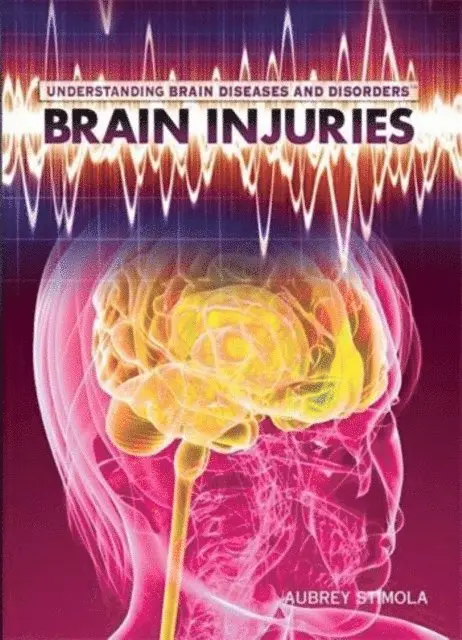
Around 1.4 million people experience traumatic brain injuries in the United States every year, and this unfortunate disorder can affect people of all ages. Brain injuries can happen in a number of ways, from a slip and fall to a car accident or even being tackled on the football field. This volume offers readers detailed information on the variety of ways brain injuries occur with enlightening medical explanations of the how the brain works, is affected by damage, and heals.