
1 211 kr
Kommande
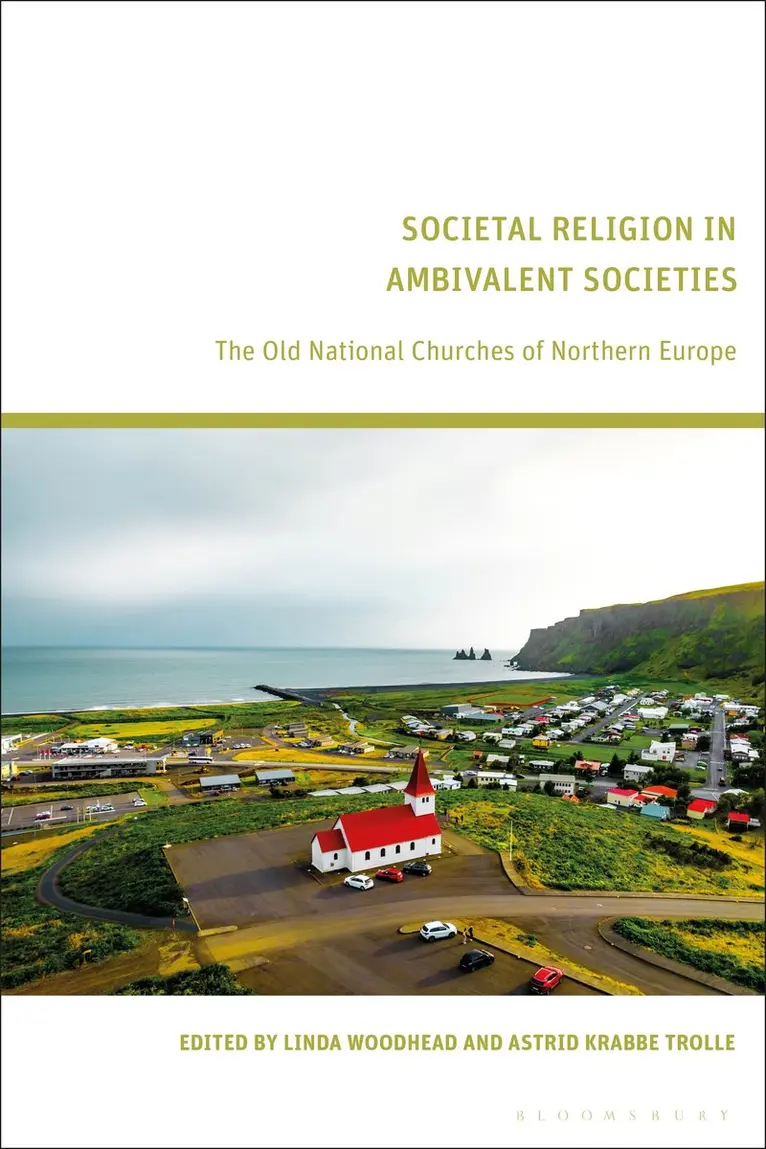
Why do some historic churches continue to command public trust in highly secular societies, while others rapidly decline? This book explores this question through a systematic comparison of seven old national churches of Northern Europe: Denmark, England, Finland, Iceland, Norway, Scotland, and Sweden.Linda Woodhead MBE and Astrid Trolle Krabbe introduce the concept of “societal religion" as a form of religion embedded in state institutions, national identity, and everyday cultural life, despite relatively low levels of active belief or participation. Bringing together leading scholars of each national context, the volume combines original data and expert analysis to examine how these churches are entangled with the state, shape and reflect national identity, and remain present in social and cultural practices.By comparing these closely related yet diverging cases, the book identifies the key factors that sustain or undermine societal religion, including systems of financing, patterns of affiliation, political relationships, and levels of public trust. In doing so, it offers both a new conceptual framework and a rich empirical account of religion’s changing role in late modern societies. At a time of renewed debate about secularisation, nationalism, and culture wars, the book speaks to debates on secularisation, nationalism, and the future of religion in Europe and beyond.