2 140 kr
Läs direkt efter köp
2 140 kr
Läs direkt efter köp
2 140 kr
Läs direkt efter köp
2 007 kr
Läs direkt efter köp
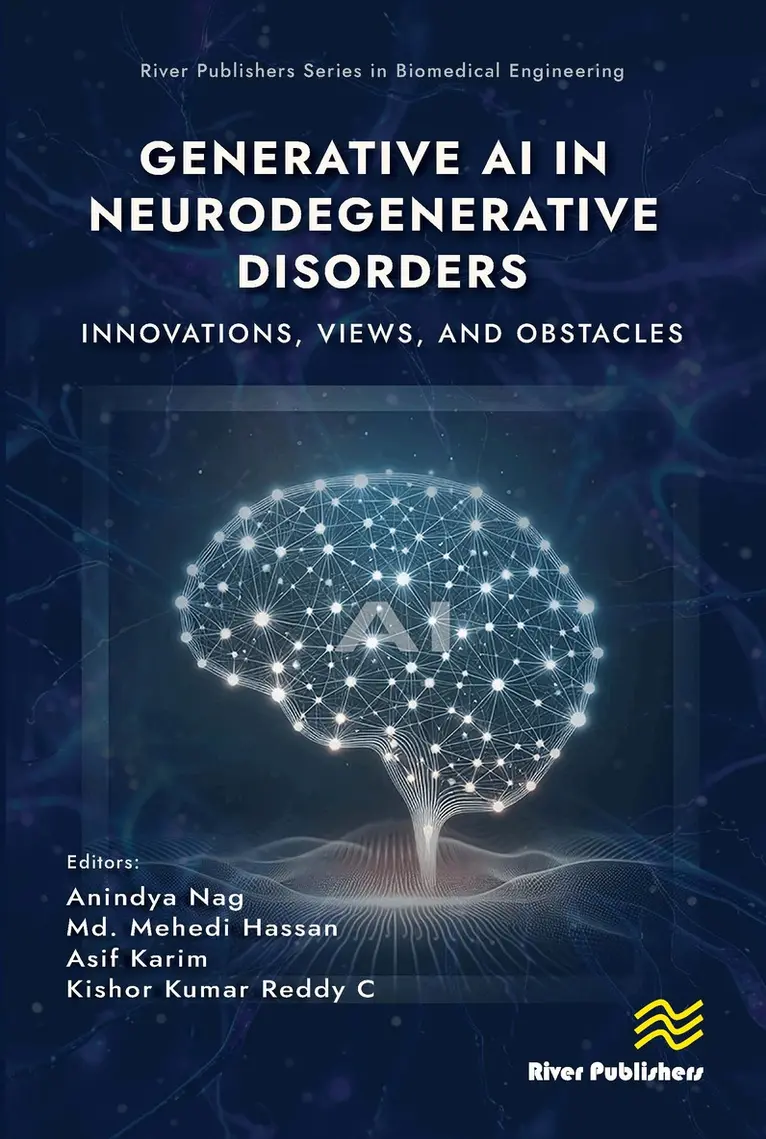
This book delves into the transformative power of AI in the realm of neurodegenerative diseases,covering topics such as ALS, Huntington’s, Parkinson’s, and Alzheimer’s. Generative AIprovides new opportunities for early diagnosis, precise therapy, and individualized rehabilitation,which are crucial as these conditions remain major obstacles for healthcare providersand researchers.
Researchers, physicians, AI developers, and healthcare professionals will find this bookan invaluable resource for understanding how AI is influencing the development of treatmentsfor neurodegenerative diseases. It describes important obstacles and future directions whileproviding insights into the newest breakthroughs, thus bridging the gap between technologyand practical clinical applications. Anyone involved in neurodegenerative healthcare, fromscientists conducting AI-driven medical research to physicians seeking to incorporate AI intopatient care or AI professionals investigating new healthcare applications, will find the informationand insights they need in this comprehensive book.
Predictive analytics, biomarker identification, and drug discovery are being transformedby AI-driven models, such as deep neural networks, generative adversarial networks (GANs),and variational autoencoders (VAEs). This book offers a comprehensive examination of thesedevelopments. Robots, wearable sensors, and cognitive therapy platforms are some of theAI-enhanced rehabilitation tools covered, as are AI-integrated cutting-edge technologies likefMRI and MRI, gene-editing methods like CRISPR, and more.
In addition to discussing recent technical developments, this book takes a close look atthe data privacy, ethics, and regulatory issues that arise when using AI to study neurodegenerativedisorders. Issues like algorithmic bias, model explainability, and fair AI-driven healthcareare thoroughly investigated in light of the growing usage of AI models in clinical decision-making,mental health applications, and cognitive rehabilitation.
1 893 kr
Skickas inom 10-15 vardagar
2 388 kr
Skickas inom 7-10 vardagar
3 251 kr
Läs direkt efter köp
This proposed book provides deeper insights into artificial intelligence techniques and procedures available for earth sciences. This book unveils several applications of metaheuristic approaches (i.e., swarm intelligence and IoT technologies) in collaboration with AI for earth sciences. It presents the science behind smart technologies that reveal the power of artificial intelligence and IoT. These methodologies help to extract meaningful insights from earth sciences big data analytics. These advanced technologies used in earth science practices can remove geographical barriers, locally adaptive, operationally feasible, and economically affordable. The areas can be explored with the aim of digitizing the whole world. Technological advancement also impacts the financial aspect involved in managing the earth sciences. Intelligent AI applications have made significant strides in the field of earth sciences, offering novel solutions to complex challenges, driving impactful research, and revolutionizing data analysis and interpretation. This intersection of artificial intelligence and earth sciences has paved the way for an enhanced understanding of our planet and its various phenomena.
2 400 kr
Skickas inom 10-15 vardagar
1 734 kr
Skickas inom 10-15 vardagar
1 921 kr
Läs direkt efter köp
This book delves into the transformative power of AI in the realm of neurodegenerative diseases,covering topics such as ALS, Huntington’s, Parkinson’s, and Alzheimer’s. Generative AIprovides new opportunities for early diagnosis, precise therapy, and individualized rehabilitation,which are crucial as these conditions remain major obstacles for healthcare providersand researchers.
Researchers, physicians, AI developers, and healthcare professionals will find this bookan invaluable resource for understanding how AI is influencing the development of treatmentsfor neurodegenerative diseases. It describes important obstacles and future directions whileproviding insights into the newest breakthroughs, thus bridging the gap between technologyand practical clinical applications. Anyone involved in neurodegenerative healthcare, fromscientists conducting AI-driven medical research to physicians seeking to incorporate AI intopatient care or AI professionals investigating new healthcare applications, will find the informationand insights they need in this comprehensive book.
Predictive analytics, biomarker identification, and drug discovery are being transformedby AI-driven models, such as deep neural networks, generative adversarial networks (GANs),and variational autoencoders (VAEs). This book offers a comprehensive examination of thesedevelopments. Robots, wearable sensors, and cognitive therapy platforms are some of theAI-enhanced rehabilitation tools covered, as are AI-integrated cutting-edge technologies likefMRI and MRI, gene-editing methods like CRISPR, and more.
In addition to discussing recent technical developments, this book takes a close look atthe data privacy, ethics, and regulatory issues that arise when using AI to study neurodegenerativedisorders. Issues like algorithmic bias, model explainability, and fair AI-driven healthcareare thoroughly investigated in light of the growing usage of AI models in clinical decision-making,mental health applications, and cognitive rehabilitation.