636 kr
Skickas inom 10-15 vardagar
636 kr
Skickas inom 10-15 vardagar
2 311 kr
Skickas inom 10-15 vardagar
1 306 kr
Skickas inom 10-15 vardagar
1 883 kr
Läs direkt efter köp
665 kr
Läs direkt efter köp
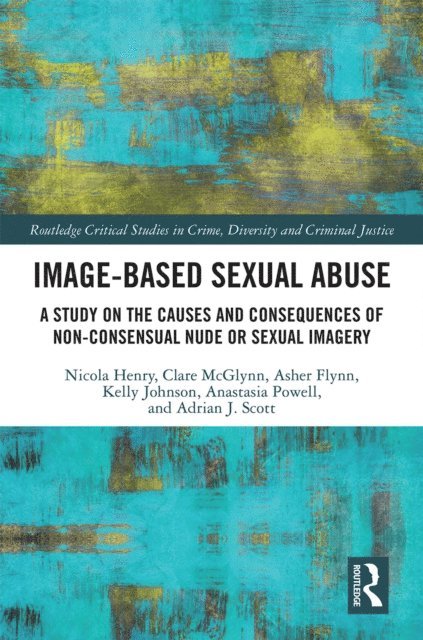
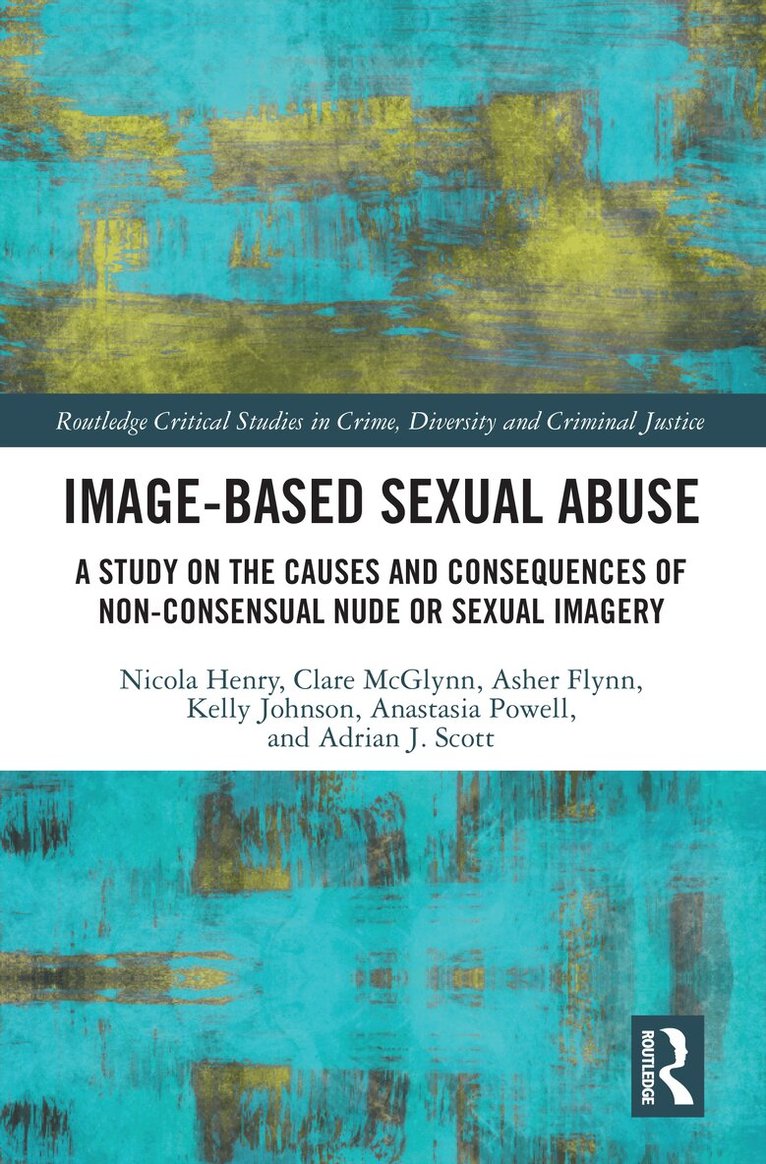
This book investigates the causes and consequences of image-based sexual abuse in a digital era. Image-based sexual abuse refers to the taking or sharing of nude or sexual photographs or videos of another person without their consent. It includes a diversity of behaviours beyond that of "revenge porn", such as the secret trading of nude or sexual images online; "upskirting", "downblousing" and other "creepshots"; blackmail or "sextortion" scams; the use of artificial intelligence to construct "deepfake" pornographic videos; threats to distribute photographs and videos without consent; and the taking or sharing of sexual assault imagery. This book investigates the pervasiveness and experiences of these harms, as well as the raft of legal and non-legal measures that have been introduced to better respond to and prevent image-based sexual abuse.
The book draws on groundbreaking empirical research, including surveys in three countries with over 6,000 respondents and over 100 victim-survivor and stakeholder interviews. Guided by theoretical frameworks from gender studies, sociology, criminology, law and psychology, the authors argue that image-based sexual abuse is more commonly perpetrated by men than women, and that perpetration is higher among some groups, including younger and sexuality minority men. Although the motivations of perpetrators vary, a dominant theme to emerge was that of power and control. The gendered nature of the abuse means that it is best understood as a "continuum of sexual violence" because victim-survivors often experience it as part of a broader pattern of gendered harassment, violence and abuse.
Written in a clear and direct style, this book will appeal to students and scholars of criminology, sociology, law and psychology. Image-based Sexual Abuse is also an essential resource for activists, legal and policy practitioners, technology companies and victim-survivors seeking to understand the deeply complex nature of intimate-image sharing in a digital era.
669 kr
Läs direkt efter köp
This book investigates the causes and consequences of image-based sexual abuse in a digital era. Image-based sexual abuse refers to the taking or sharing of nude or sexual photographs or videos of another person without their consent. It includes a diversity of behaviours beyond that of "revenge porn", such as the secret trading of nude or sexual images online; "upskirting", "downblousing" and other "creepshots"; blackmail or "sextortion" scams; the use of artificial intelligence to construct "deepfake" pornographic videos; threats to distribute photographs and videos without consent; and the taking or sharing of sexual assault imagery. This book investigates the pervasiveness and experiences of these harms, as well as the raft of legal and non-legal measures that have been introduced to better respond to and prevent image-based sexual abuse.
The book draws on groundbreaking empirical research, including surveys in three countries with over 6,000 respondents and over 100 victim-survivor and stakeholder interviews. Guided by theoretical frameworks from gender studies, sociology, criminology, law and psychology, the authors argue that image-based sexual abuse is more commonly perpetrated by men than women, and that perpetration is higher among some groups, including younger and sexuality minority men. Although the motivations of perpetrators vary, a dominant theme to emerge was that of power and control. The gendered nature of the abuse means that it is best understood as a "continuum of sexual violence" because victim-survivors often experience it as part of a broader pattern of gendered harassment, violence and abuse.
Written in a clear and direct style, this book will appeal to students and scholars of criminology, sociology, law and psychology. Image-based Sexual Abuse is also an essential resource for activists, legal and policy practitioners, technology companies and victim-survivors seeking to understand the deeply complex nature of intimate-image sharing in a digital era.

1 183 kr
Skickas inom 10-15 vardagar
513 kr
Läs direkt efter köp
516 kr
Läs direkt efter köp
477 kr
Skickas inom 10-15 vardagar
594 kr
Skickas
302 kr
Skickas inom 7-10 vardagar
1 114 kr
Skickas inom 7-10 vardagar
1 103 kr
Skickas inom 10-15 vardagar
652 kr
Skickas inom 10-15 vardagar
819 kr
Läs direkt efter köp
2 008 kr
Skickas inom 10-15 vardagar
2 925 kr
Läs direkt efter köp
2 008 kr
Skickas inom 10-15 vardagar
457 kr
Skickas inom 10-15 vardagar
596 kr
Läs direkt efter köp
The Pivot explores bystander intervention and image-based sexual abuse. It fills a critical gap in the market on a significant and contemporary legal, social, public health, and criminal justice issue. It is timely in light of a number of recent high-profile instances of image-based sexual abuse perpetration, including those involving the non-consensual digital altering and sharing of sexual imagery – sexualised “deepfakes” created with AI, digital tools or software – of celebrities (e.g. Taylor Swift) and young women. This book draws upon the first mixed methods study of its kind globally and makes a substantial contribution to the conceptualisation of image-based sexual abuse and bystander intervention; an issue that has not yet been explored in detail. Drawing on criminology, gender studies, psychology, and law, it provides new theoretical and practical insights of particular relevance to practitioners, stakeholders, and government and non-government organisations on how bystander intervention can be an untapped prevention resource.
825 kr
Skickas inom 7-10 vardagar
A Handbook for the Indo-Pacific Region
1 226 kr
Skickas inom 7-10 vardagar
We are not making sufficient headway domestically, regionally or globally in eliminating or reducing violence against women. Despite the extent of the crisis, and the increasing awareness of the ubiquity of the problem, the scholarly research on violence against women remains siloed and is primarily focused on Western countries and Anglo communities. This Handbook provides a state-of-the-art overview of violence against women in the Indo-Pacific region. It highlights the factors that cause and compound violence against women, and examines new, evidence-based approaches and effective solutions to improve policy and practice across the Indo-Pacific. The Handbook is unique in centering Indigenous knowledge, principles and leadership, as well as interdisciplinary collaborations and Indo-Pacific partnerships. It applies a sophisticated theory of violence and power as shaped by the dominant norms/beliefs and institutional structures in a society or community. Chapters in the Handbook consider these regimes of violence in the Indo-Pacific region and how they can be changed, taking into account the dynamic social and environmental contexts that sustain them.
This research was conducted by the Australian Research Council Centre of Excellence for the Elimination of Violence against Women (Project number CE230100004) and funded by the Australian Government.
1 107 kr
Skickas inom 10-15 vardagar
1 492 kr
Läs direkt efter köp
Despite a popular view that trials are the focal point of the criminal justice process, in reality, the most frequent way a criminal matter resolves is not through a fiercely fought battle between state and defendant, but instead through a process of negotiation between the prosecution and defence, resulting in a defendant pleading guilty in exchange for agreed concessions from the prosecution. This book presents an original empirical case-study of plea negotiations drawing upon interviews with legal actors and an analysis of defence practitioner case files, to shine light on the processes and ways in which an agreed outcome is reached in criminal prosecutions, within the setting of a jurisdiction, like many others world-wide, which is suffering major shifts in state resources. Plea negotiations, also referred to as “plea bargaining”, “negotiated guilty pleas” and “negotiated resolutions” are neither an alloyed benefit nor a detriment for defendants, victims or the criminal justice system generally, and like all compromises, this book shows how the perfect “justice” outcome gives way to the good, or just the reasonably acceptable justice outcome.