1 153 kr
Skickas inom 7-10 vardagar
1 153 kr
Skickas inom 7-10 vardagar
537 kr
Skickas inom 7-10 vardagar
4 381 kr
Skickas inom 10-15 vardagar
426 kr
Skickas inom 10-15 vardagar
992 kr
Läs direkt efter köp
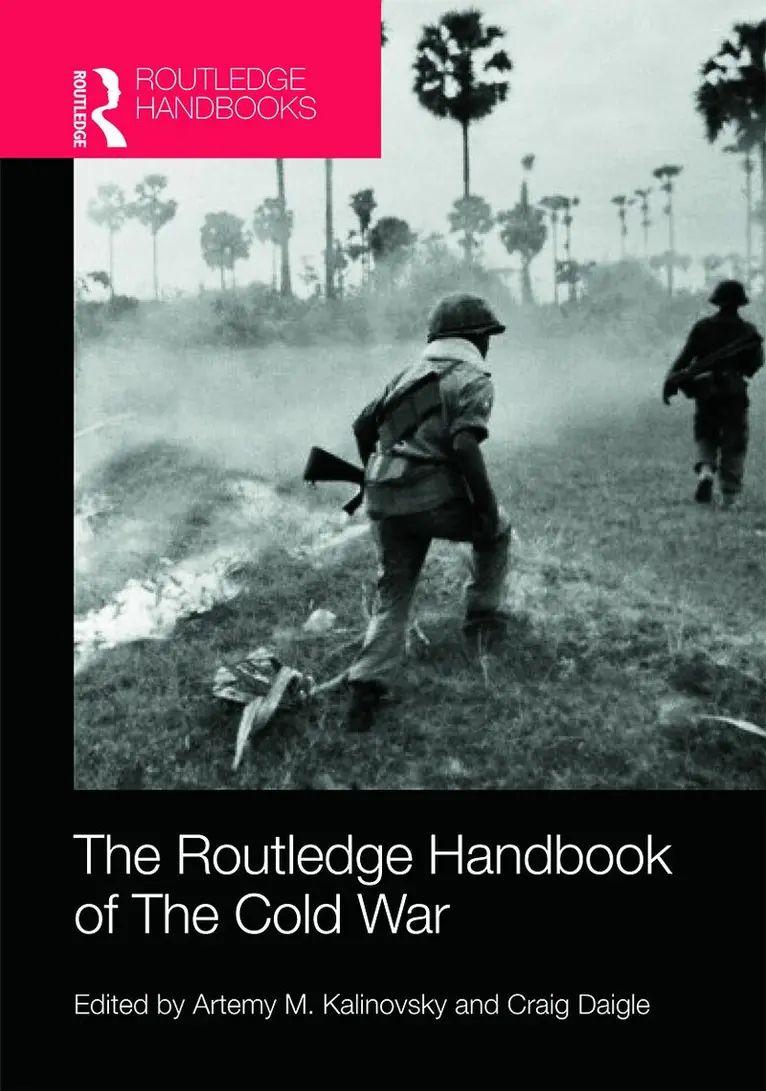
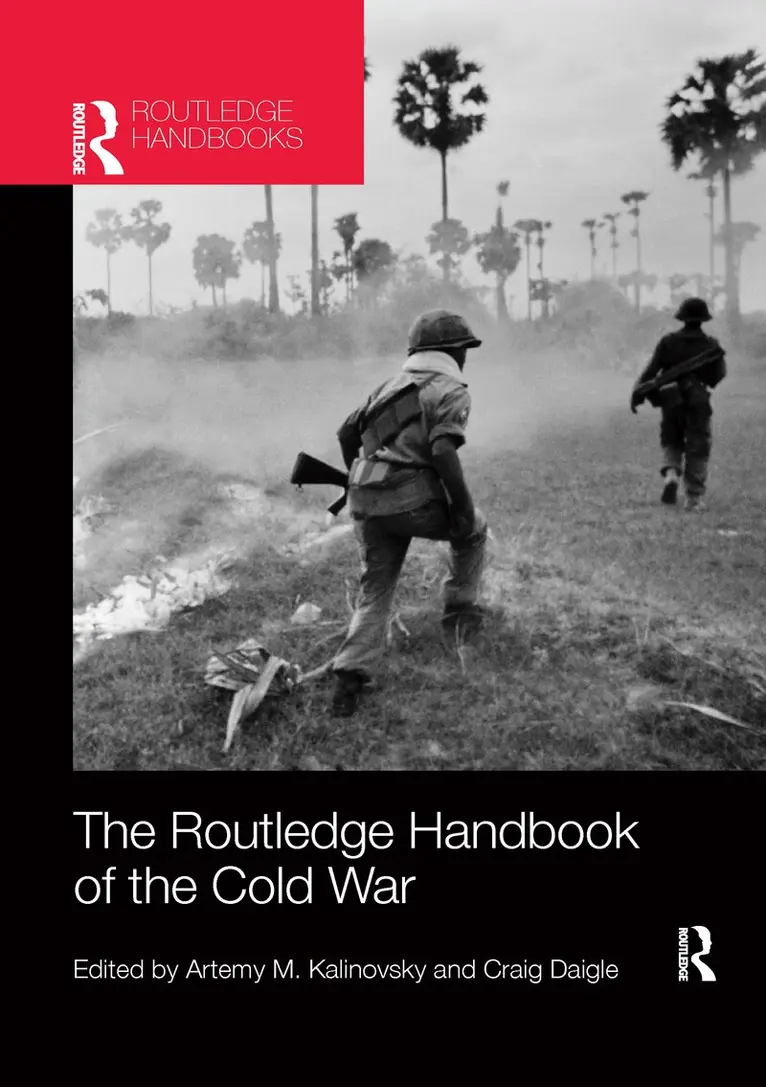
This new Handbook offers a wide-ranging overview of current scholarship on the Cold War, with essays from many leading scholars.
The field of Cold War history has consistently been one of the most vibrant in the field of international studies. Recent scholarship has added to our understanding of familiar Cold War events, such as the Korean War, the Cuban Missile Crisis and superpower détente, and shed new light on the importance of ideology, race, modernization, and transnational movements.
The Routledge Handbook of the Cold War draws on the wealth of new Cold War scholarship, bringing together essays on a diverse range of topics such as geopolitics, military power and technology and strategy. The chapters also address the importance of non-state actors, such as scientists, human rights activists and the Catholic Church, and examine the importance of development, foreign aid and overseas assistance.
The volume is organised into nine parts:
Part I: The Early Cold War
Part II: Cracks in the Bloc
Part III: Decolonization, Imperialism and its Consequences
Part IV: The Cold War in the Third World
Part V: The Era of Detente
Part VI: Human Rights and Non-State Actors
Part VII: Nuclear Weapons, Technology and Intelligence
Part VIII: Psychological Warfare, Propaganda and Cold War Culture
Part IX: The End of the Cold War
This new Handbook will be of great interest to all students of Cold War history, international history, foreign policy, security studies and IR in general.
999 kr
Läs direkt efter köp
This new Handbook offers a wide-ranging overview of current scholarship on the Cold War, with essays from many leading scholars.
The field of Cold War history has consistently been one of the most vibrant in the field of international studies. Recent scholarship has added to our understanding of familiar Cold War events, such as the Korean War, the Cuban Missile Crisis and superpower détente, and shed new light on the importance of ideology, race, modernization, and transnational movements.
The Routledge Handbook of the Cold War draws on the wealth of new Cold War scholarship, bringing together essays on a diverse range of topics such as geopolitics, military power and technology and strategy. The chapters also address the importance of non-state actors, such as scientists, human rights activists and the Catholic Church, and examine the importance of development, foreign aid and overseas assistance.
The volume is organised into nine parts:
Part I: The Early Cold War
Part II: Cracks in the Bloc
Part III: Decolonization, Imperialism and its Consequences
Part IV: The Cold War in the Third World
Part V: The Era of Detente
Part VI: Human Rights and Non-State Actors
Part VII: Nuclear Weapons, Technology and Intelligence
Part VIII: Psychological Warfare, Propaganda and Cold War Culture
Part IX: The End of the Cold War
This new Handbook will be of great interest to all students of Cold War history, international history, foreign policy, security studies and IR in general.
839 kr
Skickas inom 10-15 vardagar
944 kr
Skickas inom 10-15 vardagar
3 129 kr
Skickas inom 10-15 vardagar
999 kr
Läs direkt efter köp
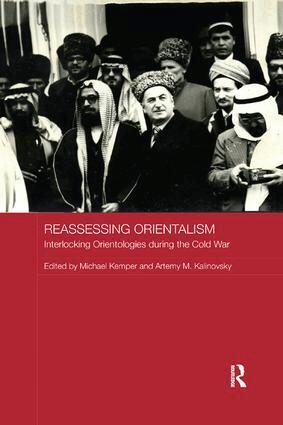
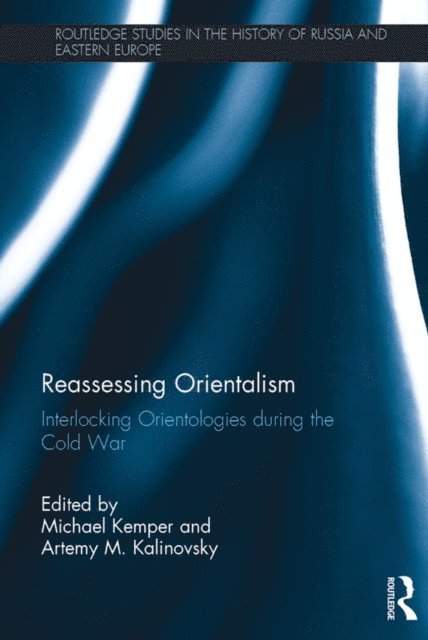
Orientalism as a concept was first applied to Western colonial views of the East. Subsequently, different types of orientalism were discovered but the premise was that these took their lead from Western-style orientalism, applying it in different circumstances. This book, on the other hand, argues that the diffusion of interpretations and techniques in orientalism was not uni-directional, and that the different orientologies – Western, Soviet and oriental orientologies – were interlocked, in such a way that a change in any one of them affected the others; that the different orientologies did not develop in isolation from each other; and that, importantly, those being orientalised were active, not passive, players in shaping how the views of themselves were developed.
992 kr
Läs direkt efter köp
Orientalism as a concept was first applied to Western colonial views of the East. Subsequently, different types of orientalism were discovered but the premise was that these took their lead from Western-style orientalism, applying it in different circumstances. This book, on the other hand, argues that the diffusion of interpretations and techniques in orientalism was not uni-directional, and that the different orientologies – Western, Soviet and oriental orientologies – were interlocked, in such a way that a change in any one of them affected the others; that the different orientologies did not develop in isolation from each other; and that, importantly, those being orientalised were active, not passive, players in shaping how the views of themselves were developed.
636 kr
Skickas inom 10-15 vardagar
1 688 kr
Skickas inom 10-15 vardagar
384 kr
Skickas inom 10-15 vardagar
868 kr
Skickas inom 7-10 vardagar
992 kr
Kommande
833 kr
Skickas inom 3-6 vardagar
535 kr
Skickas inom 7-10 vardagar
892 kr
Läs direkt efter köp