1 093 kr
Skickas inom 10-15 vardagar
1 093 kr
Skickas inom 10-15 vardagar
2 602 kr
Skickas inom 10-15 vardagar
882 kr
Skickas inom 10-15 vardagar
481 kr
Skickas inom 7-10 vardagar
542 kr
Skickas inom 7-10 vardagar
1 569 kr
Skickas inom 10-15 vardagar
518 kr
Skickas inom 10-15 vardagar
589 kr
Läs direkt efter köp
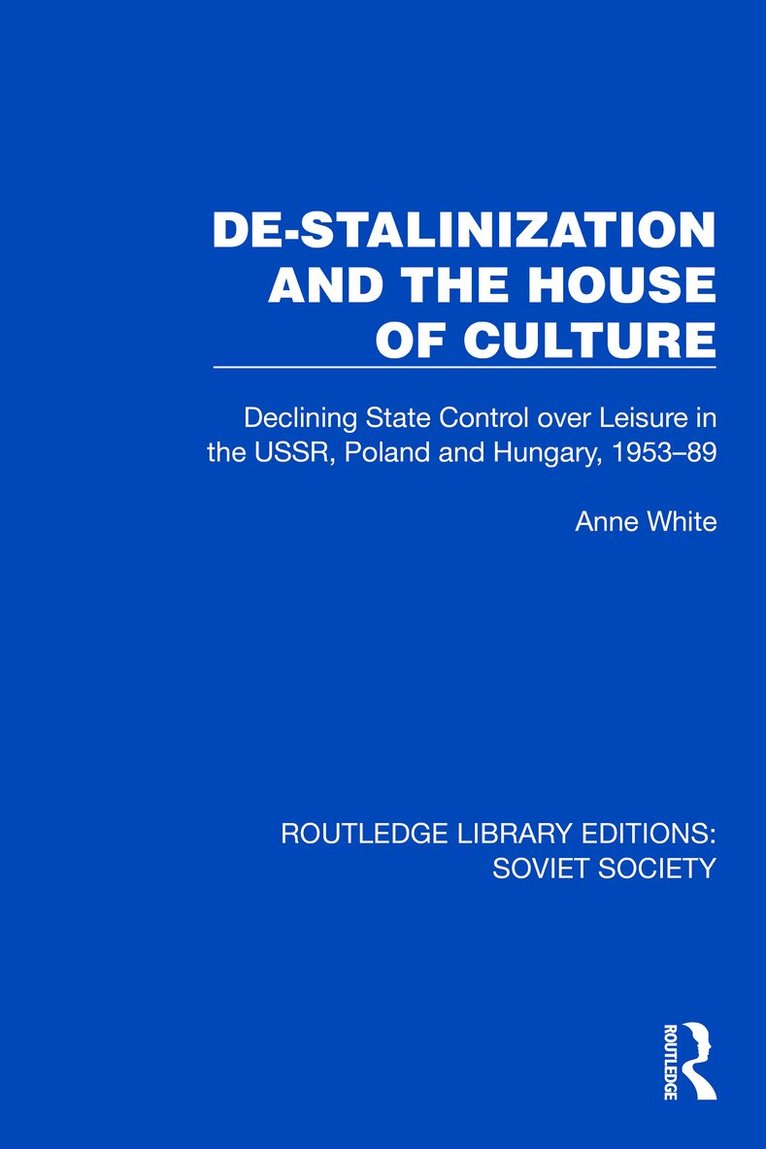
De-Stalinization and the House of Culture (1990) looks at the houses of culture – arts centres which in the Stalinist period functioned as agencies of political socialisation – and the changes in their character and functions since Stalin’s death. This book explores the diminishing control of the Communist Party over public leisure from 1953 to the present day, as one aspect of the de-Stalinization and the dismantling of the totalitarian system. It focuses on the changing nature and functions of the ‘cultural enlightenment’ conducted in houses of culture and similar institutions. Public rejection of the Stalinist attempt to saturate all leisure activities with propaganda and to liquidate many national cultural traditions have gradually forced the party to relinquish much of its leading role in this area. The book compares this process in three different Soviet-type systems, the USSR, Poland and Hungary. It discusses depoliticization of house of culture activities and, especially in the era of perestroika, their eventual repoliticization by unofficial associations concerned with a mix of political, cultural, social and environmental issues. Today the house of culture, a quintessentially Stalinist institution, paradoxically provides a home for an emergent civil society.
576 kr
Läs direkt efter köp
De-Stalinization and the House of Culture (1990) looks at the houses of culture – arts centres which in the Stalinist period functioned as agencies of political socialisation – and the changes in their character and functions since Stalin’s death. This book explores the diminishing control of the Communist Party over public leisure from 1953 to the present day, as one aspect of the de-Stalinization and the dismantling of the totalitarian system. It focuses on the changing nature and functions of the ‘cultural enlightenment’ conducted in houses of culture and similar institutions. Public rejection of the Stalinist attempt to saturate all leisure activities with propaganda and to liquidate many national cultural traditions have gradually forced the party to relinquish much of its leading role in this area. The book compares this process in three different Soviet-type systems, the USSR, Poland and Hungary. It discusses depoliticization of house of culture activities and, especially in the era of perestroika, their eventual repoliticization by unofficial associations concerned with a mix of political, cultural, social and environmental issues. Today the house of culture, a quintessentially Stalinist institution, paradoxically provides a home for an emergent civil society.
1 004 kr
Läs direkt efter köp
1 004 kr
Läs direkt efter köp
1 516 kr
Läs direkt efter köp
1 090 kr
Skickas inom 10-15 vardagar
465 kr
Skickas inom 7-10 vardagar
684 kr
Skickas inom 3-6 vardagar
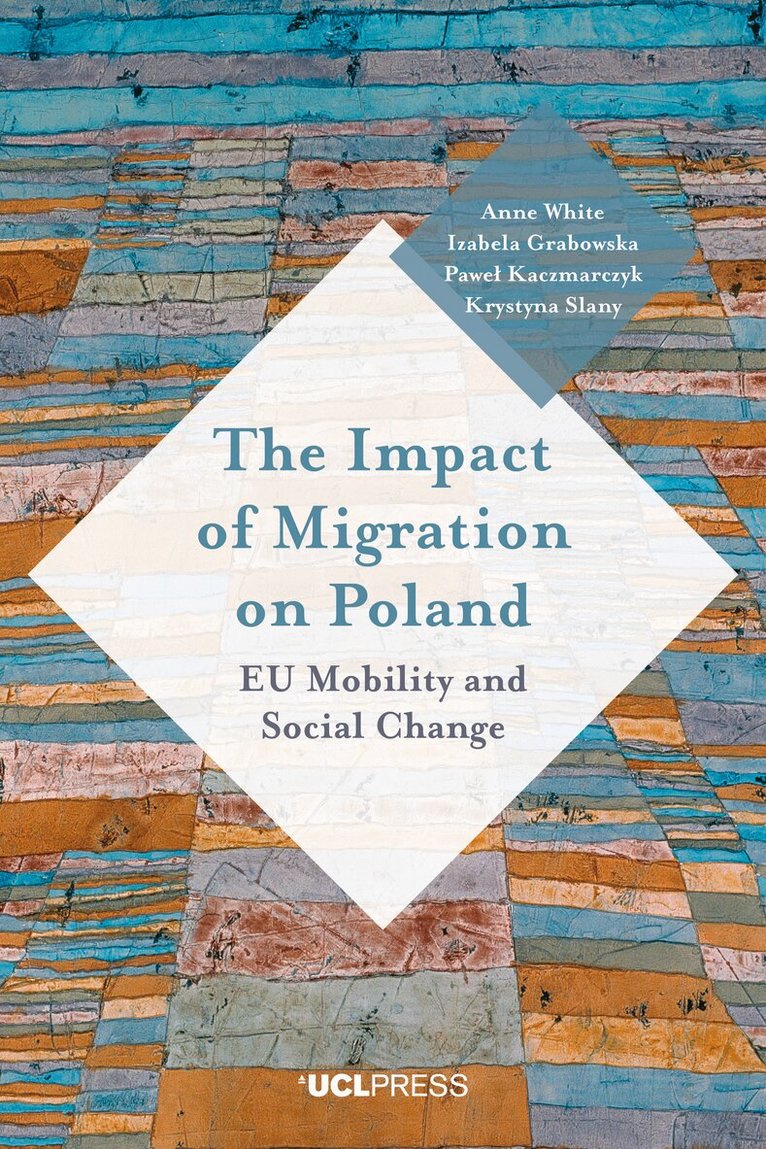
How has the international mobility of Polish citizens intertwined with other influences to shape society, culture, politics and economics in contemporary Poland?
The Impact of Migration on Poland offers a new approach for understanding how migration affects sending countries and provides a wide-ranging analysis of how Poland has changed, and continues to change, since EU accession in 2004. The authors explore an array of social trends and their causes before using in-depth interview data to illustrate how migration contributes to those causes. They address fundamental questions about whether and how Polish society is becoming more equal and more cosmopolitan, arguing that for particular segments of society migration does make a difference, and can be seen as both leveller and eye-opener. While the book focuses mainly on stayers in Poland, and their multiple contacts with Poles in other countries, Chapter 9 analyses ‘Polish society abroad’, a concept that is a far more accurate description than ‘community’ in countries such as the UK.
The book is written in a lively and accessible style, and will be important reading for anyone interested in the influence of migration on society, as well as students and scholars researching EU mobility, migration theory and methodology, and issues facing contemporary Europe.
1 268 kr
Skickas inom 7-10 vardagar
698 kr
Tillfälligt slut