2 246 kr
Skickas inom 10-15 vardagar
2 246 kr
Skickas inom 10-15 vardagar
673 kr
Läs direkt efter köp
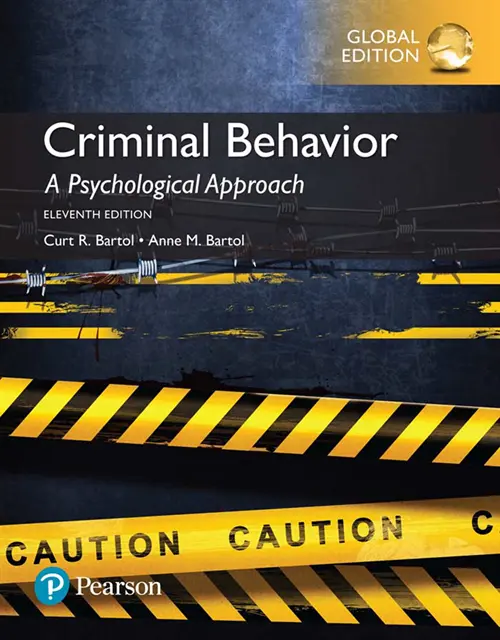
For undergraduate and graduate courses in criminal behavior, criminology, the psychology of crime, crime and delinquency, and forensic psychology.
A comprehensive psychological approach to criminal and antisocial behaviour.
Building on a tradition of excellence, Criminal Behavior: A Psychological Approach is accurate, well-researched, contemporary, and comprehensive. It offers a detailed look at crime, what may lead to it, and how criminal behavior may be prevented — all from a psychological perspective. With a focus on serious crimes, particularly those involving violence, this text offers an all-inclusive look at a very complex field through effective and engaging material that has been classroom-tested for more than thirty years.
Now in the 11th Edition, you’ll find crucial updates relating to crime definitions and DSM-5 categories, as well as the most current statistics and recently proposed models and theories. Numerous topics — such as intimate partner violence, juvenile sex offending, terrorist recruitment, elderly abuse, and sexual burglary — now receive more extensive coverage than ever before.
The full text downloaded to your computer
With eBooks you can:
search for key concepts, words and phrases make highlights and notes as you study share your notes with friendseBooks are downloaded to your computer and accessible either offline through the Bookshelf (available as a free download), available online and also via the iPad and Android apps.
Upon purchase, you''ll gain instant access to this eBook.
Time limit
The eBooks products do not have an expiry date. You will continue to access your digital ebook products whilst you have your Bookshelf installed.

1 580 kr
Skickas inom 3-6 vardagar
897 kr
Läs direkt efter köp
1 465 kr
Skickas inom 3-6 vardagar
884 kr
Läs direkt efter köp
2 111 kr
Skickas inom 10-15 vardagar
1 400 kr
Läs direkt efter köp
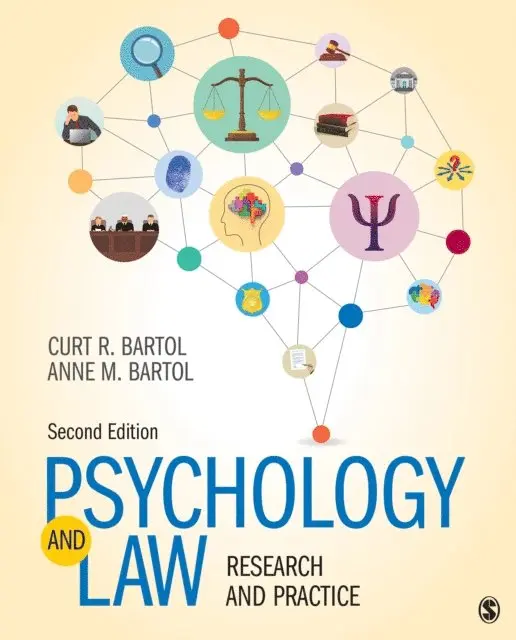
"I like the use of research and citations throughout the text. It is more comprehensive than my current text and does a much better job of presenting the scientific evidence." —Kathy McGuire, Western Illinois University Written by authors with extensive experience in the field and in the classroom, Psychology and Law: Research and Practice, Second Edition, offers the definitive perspective on the practical application of psychological research to the law. Curt R. Bartol and Anne M. Bartol emphasize the various roles psychologists and other mental health professionals play in criminal and civil legal matters. Topics such as family law, mental health evaluations, police interrogation, jury selection and decision making, involuntary civil commitment, and various civil capacities are included. The authors also emphasize the major contributions psychological research has made to the law and encourage critical analysis through examples of court cases, high-profile current events, and research. This comprehensive book examines complex material in detail and explains it in an easy-to-read way. New to the Second Edition:
The new edition has been significantly reorganized to more closely align with the progression through the court system. A new chapter on children, adolescents, and criminal law (Chapter 8) provides students with information on adjudicative competence, comprehension of constitutional rights, and eyewitness identification and courtroom testimony. New feature boxes include case studies, research projects, and contemporary topics with discussion questions for classroom debate. Additional court cases and statutes have been integrated into chapters to emphasize the important role psychology plays in the legal process. The content is applied to real cases such as the Masterpiece Cakeshop case and the Dassey confession (comprehending Miranda). Over 300 recent research findings on topics related to psychology and law highlight cutting-edge research studies that help students understand what research does and prompt them to discuss the methodology and results. New pedagogical tables clearly illustrate complex information around ethical issues, APA amicus briefs, strengths and weaknesses of simulation studies, insanity standards within the states, effects experienced by survivors of traumatic incidents, and more. Increased coverage of contemporary issues encourage critical thinking and active learning by promoting discussions around current issues such as telepsychology, neuropsychology, adversarial allegiance, and actuarial instruments used in bail and sentence decision-making.