
Inbunden, Engelska, 2027
613 kr
Kommande
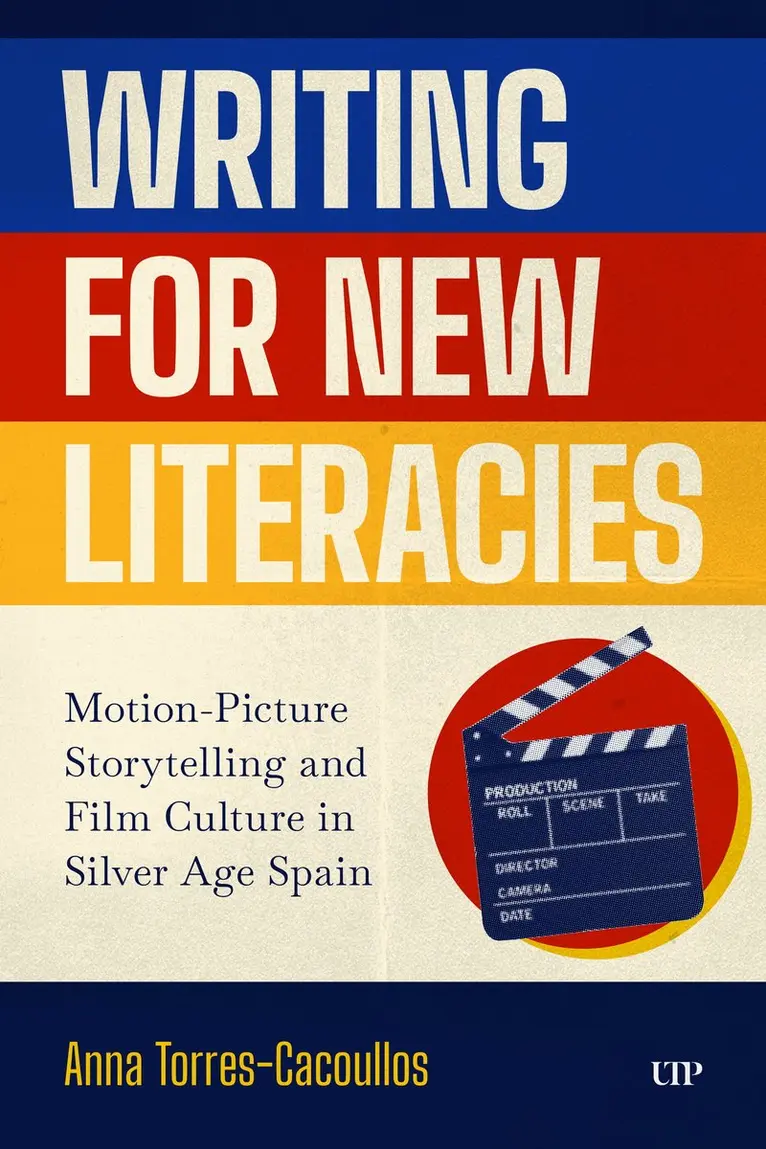
Writing for New Literacies examines how the emergence of cinema transformed literary storytelling and reading practices in early twentieth-century Spain. Rather than focusing on film itself, the book turns to the proliferation of "motion-picture storytelling"— film story types generated by cinema's publicity and industrial networks — to reveal a vibrant site of experimentation at the intersection of literature and film and a forceful context for the expansion of literary storytelling. Adapting to an expanding "film literacy," modernist writers produced new genres, such as metafictional prologues, novel-films, and film scripts, that responded to an increasingly diverse community of film-proficient readers and viewers. The formal possibilities of the film story prompted writers to probe fundamental questions about genre, medium, audience, and interpretation, and the narrative operations of storytelling itself. Bringing literary analysis into conversation with book history and film culture, Writing for New Literacies proposes "film literacy" and film-fan culture as key dimensions of Spanish modernity. It unearths a history of early film audiences in Spain and broadens the geography of cinematic and literary modernity by taking the Spanish Silver Age as a telling case study of media expansion that transformed the shape of stories, reimagined ways of telling them, and invited new forms of attention. The book demonstrates how the commercialization of literature and the business of moviemaking generated new cultures of writing, reading, and participation, bringing interpretive communities into being that unsettled distinctions between high and popular culture, intellectual and consumer.