3 929 kr
Skickas inom 10-15 vardagar
3 929 kr
Skickas inom 10-15 vardagar
2 571 kr
Skickas inom 10-15 vardagar
532 kr
Skickas
2 455 kr
Skickas inom 10-15 vardagar
633 kr
Skickas inom 10-15 vardagar
757 kr
Läs direkt efter köp
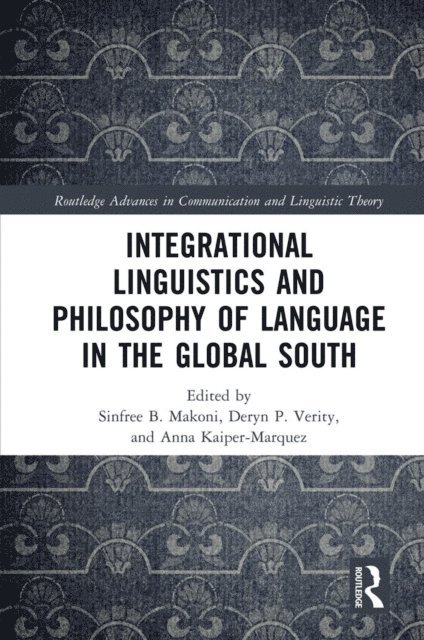
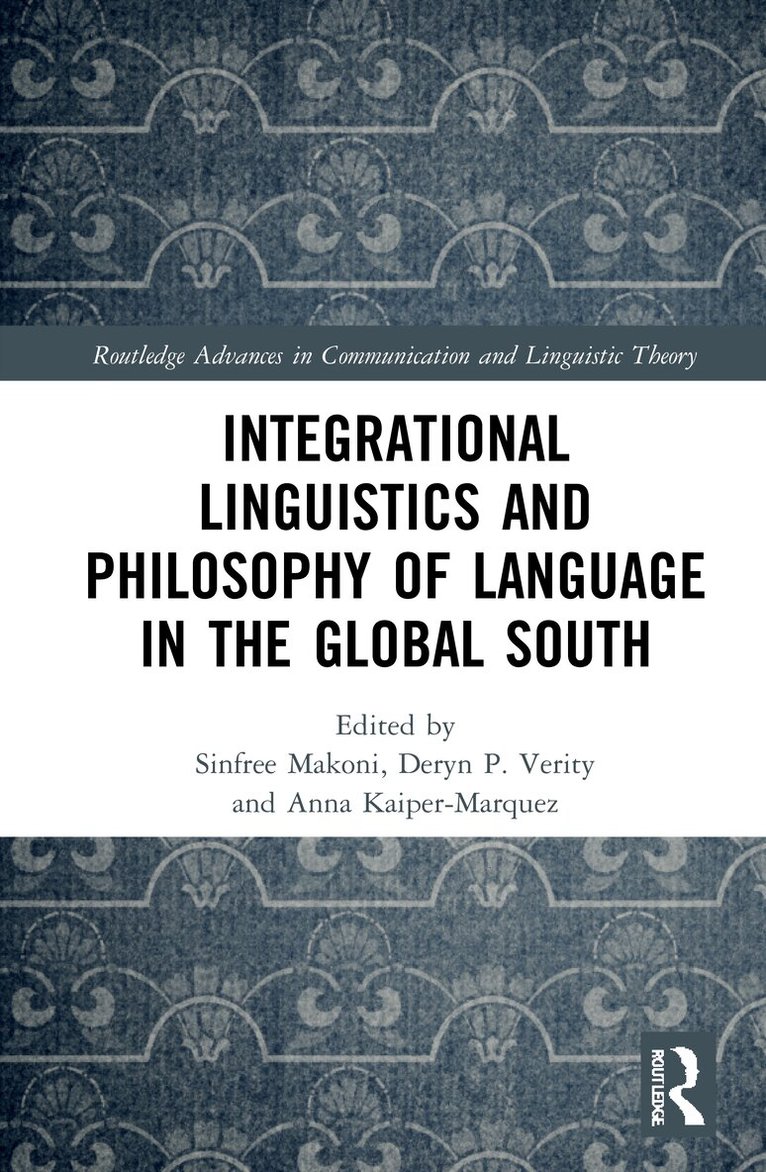
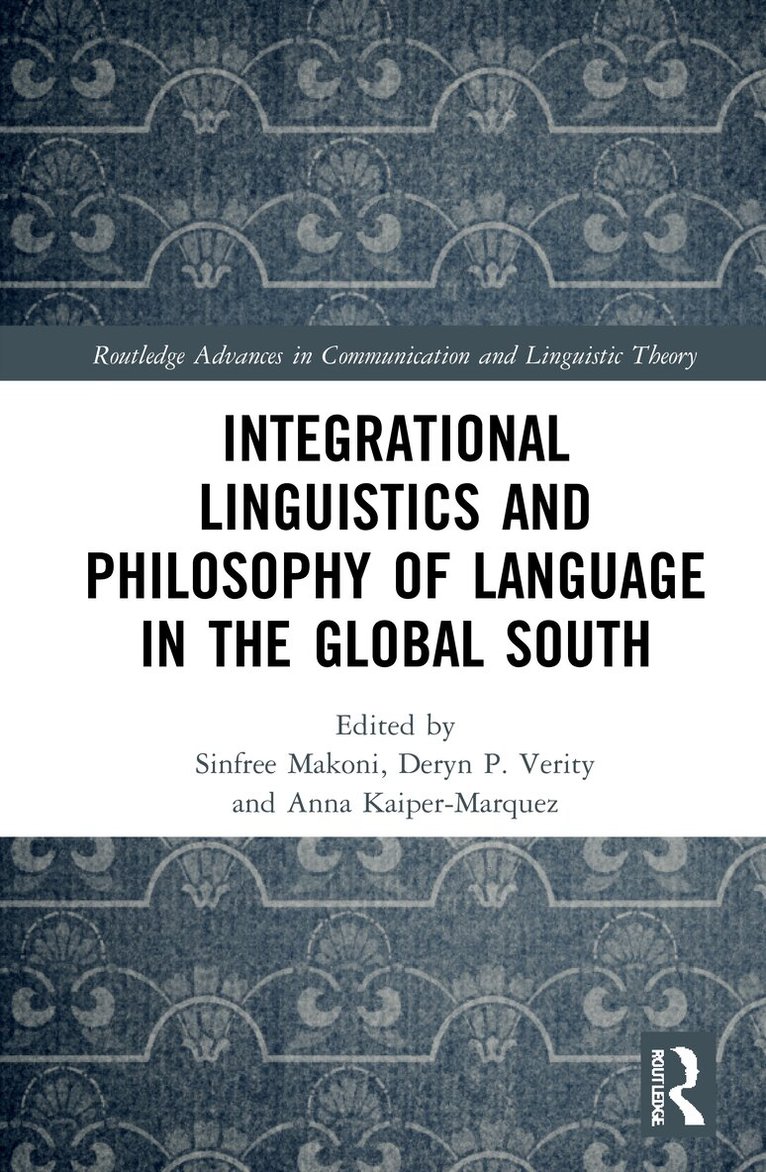
Exploring the nature of possible relationships between Integrational Linguistics and Southern Epistemologies, this volume examines various ways in which Integrational Linguistics can be used to support the decolonizing interests of Southern Epistemologies, particularly the lay-oriented nature of Integrational Linguistics that Southern Epistemologies find productive as a ‘positive counter-discourse.’
As both an anti-elitist and antiestablishment way of thinking, these chapters consider how Integrational Linguistics can be consistent with the decolonial aspirations of Southern Epistemologies. They argue that the relationship between Southern Epistemologies and Integrational Linguistics is complicated by the fact that, while Integrational Linguistics is critical of what it calls a segregationist view of language, i.e., ‘the language myth,’ Southern Epistemologies in language policy and planning and minority language movements find the language myth helpful in order to facilitate social transformation. And yet, both Integrational Linguistics and Southern Epistemologies are critical of approaches to multilingualism that are founded on notions of ‘named’ languages. They are also both critical of linguistics as a decontextualized, and institutionalized extension of ordinary metalinguistic practices, which at times influence the prejudices, preconceptions and ideologies of dominant western cultures.
This book will prove to be an essential resource for scholars and students not only within the field of integrational linguistics, but also in other language and communication fields, in particular the dialogic, distributed, and ecological-enactive approaches, wherein integrational linguistics has been subjected to scrutiny and criticism.
735 kr
Läs direkt efter köp
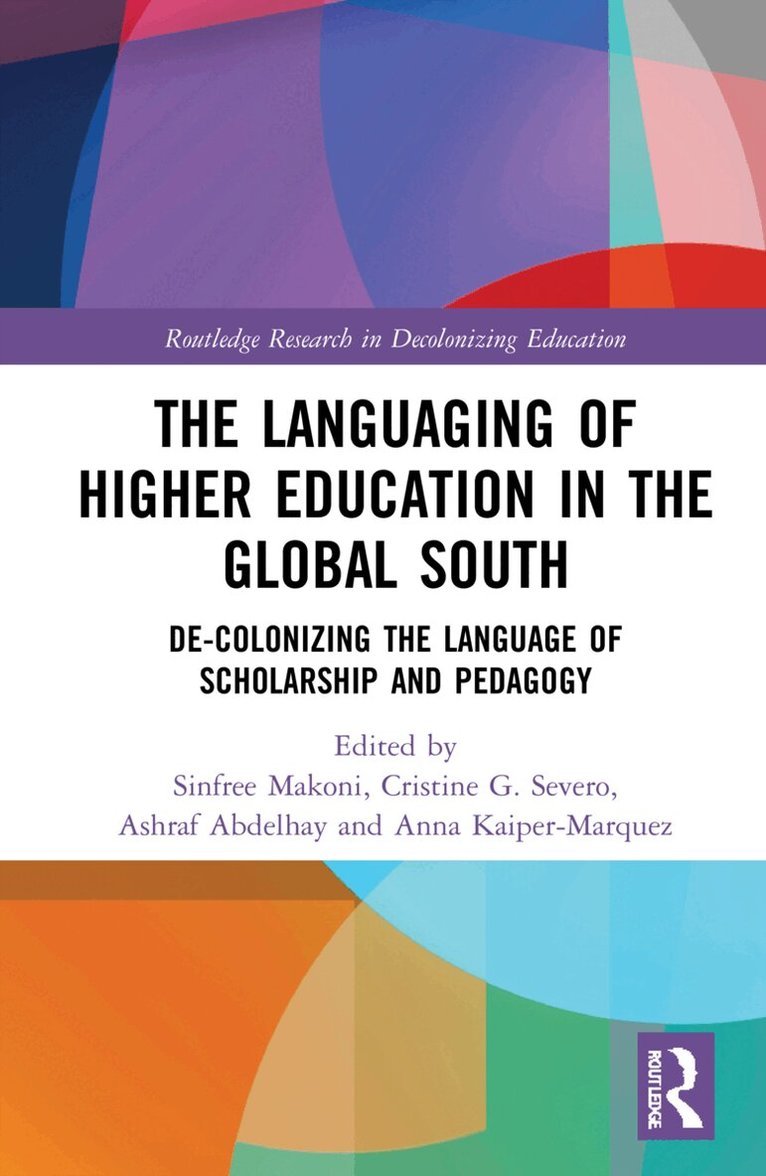
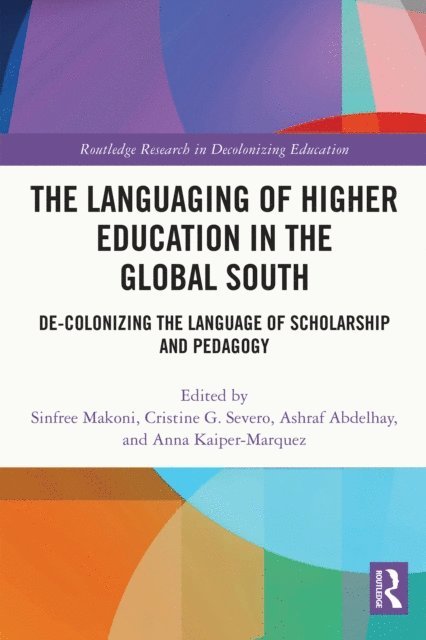
By foregrounding language practices in educational settings, this timely volume offers a postcolonial critique of the languaging of higher education and considers how Southern epistemologies can be used to further the decolonization of post-secondary education in the Global South.
Offering a range of contributions from diverse and minoritized scholars based in countries including South Africa, Rwanda, Sudan, Qatar, Turkey, Portugal, Sweden, India, and Brazil, The Languaging of Higher Education in the Global South problematizes the use of language in various areas of higher education. Chapters demonstrate both subtle and explicit ways in which the language of pedagogy, scholarship, policy, and partcipiation endorse and privelege Western constructs and knowledge production, and utilize Southern theories and epistemologies to offer an alternative way forward – practice and research which applies and promotes Southern epistemologies and local knowledges. The volume confronts issues including integrationism, epistemic solidarity, language policy and ideology, multilingualism, and the increasing use of technology in institutions of higher education.
This innovative book will be of interest to researchers, scholars, and postgraduate students in the fields of higher education, applied linguistics, and multicultural education. Those with an interest in the decolonization of education and language will find the book of particular use.
741 kr
Läs direkt efter köp
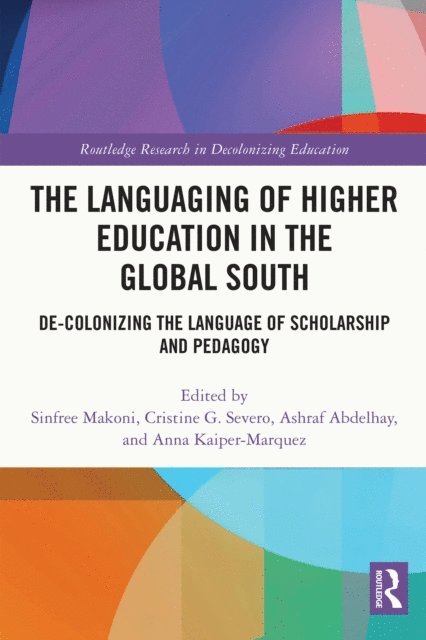
By foregrounding language practices in educational settings, this timely volume offers a postcolonial critique of the languaging of higher education and considers how Southern epistemologies can be used to further the decolonization of post-secondary education in the Global South.
Offering a range of contributions from diverse and minoritized scholars based in countries including South Africa, Rwanda, Sudan, Qatar, Turkey, Portugal, Sweden, India, and Brazil, The Languaging of Higher Education in the Global South problematizes the use of language in various areas of higher education. Chapters demonstrate both subtle and explicit ways in which the language of pedagogy, scholarship, policy, and partcipiation endorse and privelege Western constructs and knowledge production, and utilize Southern theories and epistemologies to offer an alternative way forward – practice and research which applies and promotes Southern epistemologies and local knowledges. The volume confronts issues including integrationism, epistemic solidarity, language policy and ideology, multilingualism, and the increasing use of technology in institutions of higher education.
This innovative book will be of interest to researchers, scholars, and postgraduate students in the fields of higher education, applied linguistics, and multicultural education. Those with an interest in the decolonization of education and language will find the book of particular use.
892 kr
Läs direkt efter köp
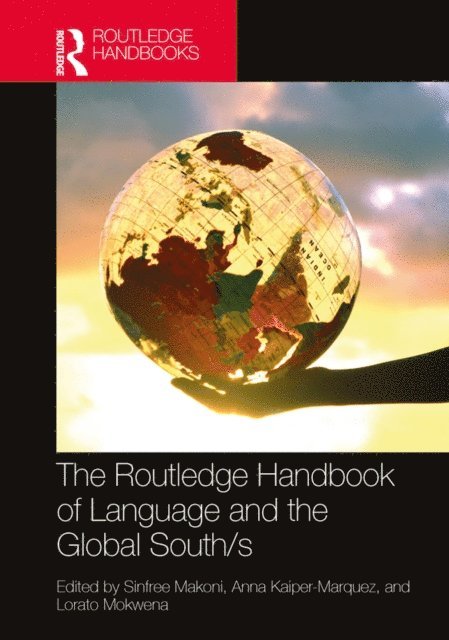
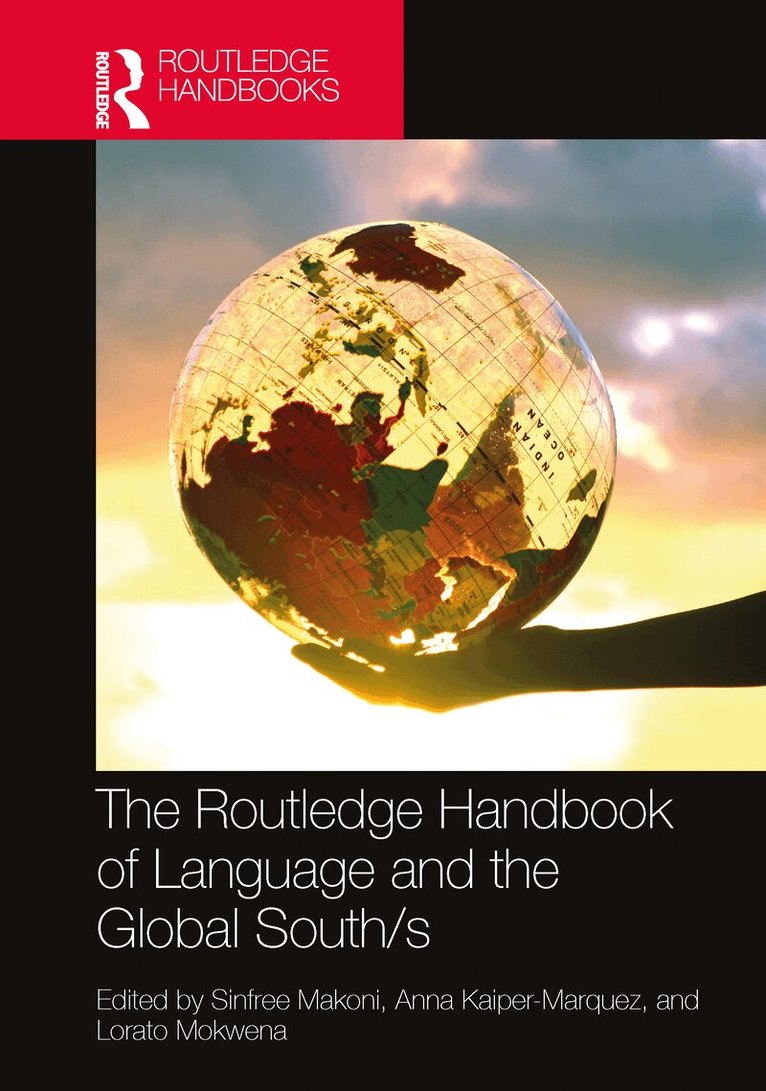
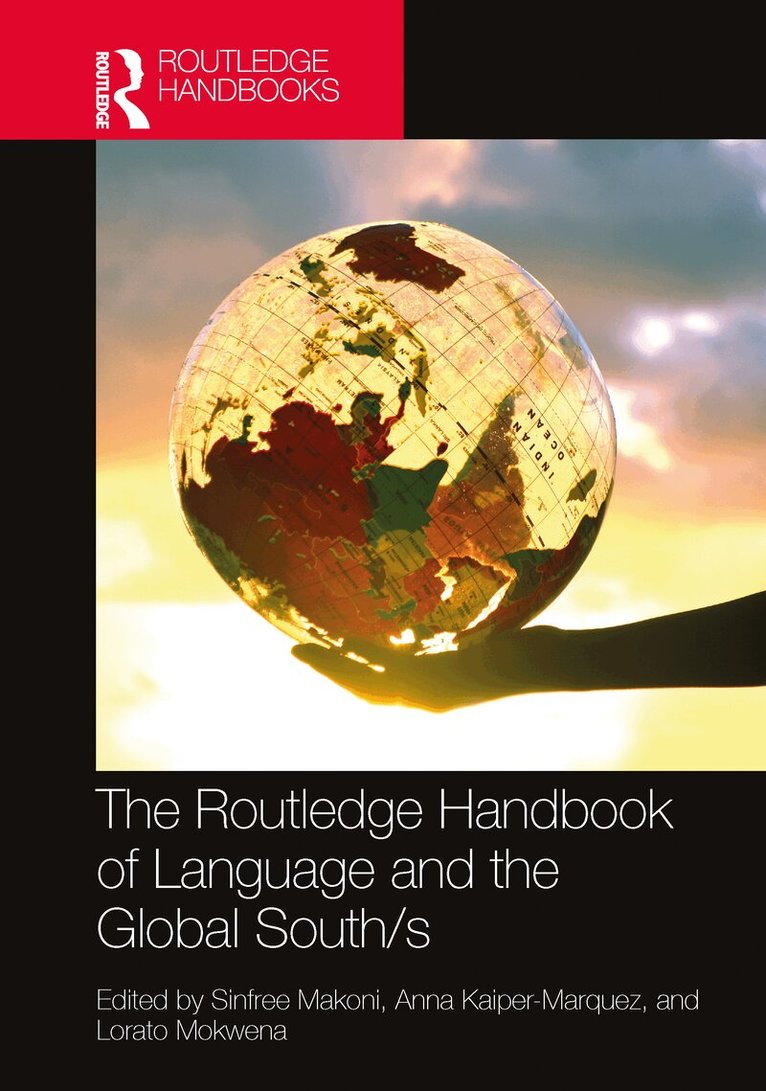
This Handbook centers on language(s) in the Global South/s and the many ways in which both "language" and the "Global South" are conceptualized, theorized, practiced, and reshaped.
Drawing on 31 chapters situated in diverse geographical contexts, and four additional interviews with leading scholars, this text showcases:
Issues of decolonization Promotion of Southern epistemologies and theories of the Global South/s A focus on social/applied linguistics An added focus on the academy A nuanced understanding of global language scholarship.
It is written for emerging and established scholars across the globe as it positions Southern epistemologies, language scholarship, and decolonial theories into scholarship surrounding multiple themes and global perspectives.
886 kr
Läs direkt efter köp
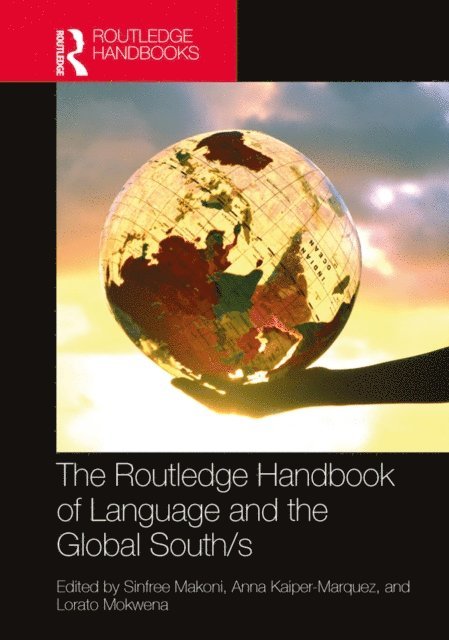
This Handbook centers on language(s) in the Global South/s and the many ways in which both "language" and the "Global South" are conceptualized, theorized, practiced, and reshaped.
Drawing on 31 chapters situated in diverse geographical contexts, and four additional interviews with leading scholars, this text showcases:
Issues of decolonization Promotion of Southern epistemologies and theories of the Global South/s A focus on social/applied linguistics An added focus on the academy A nuanced understanding of global language scholarship.
It is written for emerging and established scholars across the globe as it positions Southern epistemologies, language scholarship, and decolonial theories into scholarship surrounding multiple themes and global perspectives.
736 kr
Skickas inom 10-15 vardagar
416 kr
Skickas inom 7-10 vardagar
1 777 kr
Skickas inom 7-10 vardagar
416 kr
Skickas
1 923 kr
Skickas inom 7-10 vardagar