Unquestionably the first cinematic phenomenon of the twenty-first century, Peter Jackson's trilogy was a project of enormous artistic vision and financial risk. It is also a rich text for those studying film and media, perhaps for the first time. Studying The Lord of the Rings is the first book to consider the films in these terms, looking in turn at each of the major concepts: their complex origins and narrative structure; issues of representation masculinity, femininity and race; their generic patterns (to which genre do the films belong?) and thematic concerns; their industrial context from theatrical release to DVD extended editions; film language fusing classical mise-en-scène with cutting-edge technological practice. The aim throughout is to highlight critical debates and key terms, to relate these to the texts and to explore their stylistic and cultural impact. This Student Edition (a previously published Instructor's Edition is available) brings the story up to date with reflections on The Hobbit films.
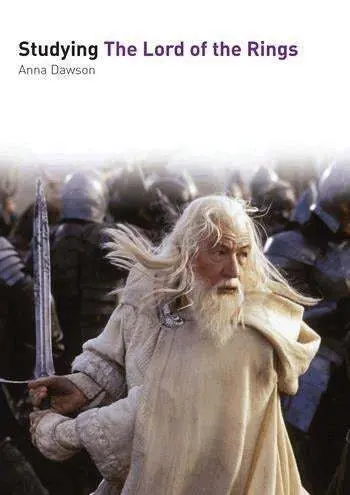
Unquestionably the first cinematic phenomenon of the twenty-first century, Peter Jackson's trilogy was a project of enormous artistic vision and financial risk. It is also a rich text for those studying film and media, perhaps for the first time. Studying The Lord of the Rings is the first book to consider the films in these terms, looking in turn at each of the major concepts: their complex origins and narrative structure; issues of representation masculinity, femininity and race; their generic patterns (to which genre do the films belong?) and thematic concerns; their industrial context from theatrical release to DVD extended editions; film language fusing classical mise-en-scène with cutting-edge technological practice. The aim throughout is to highlight critical debates and key terms, to relate these to the texts and to explore their stylistic and cultural impact. This Student Edition (a previously published Instructor's Edition is available) brings the story up to date with reflections on The Hobbit films.
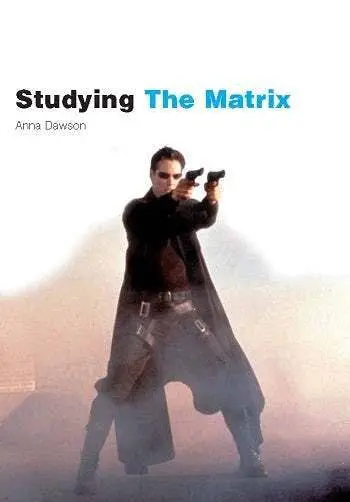
"Anna Dawson feels that The Matrix is far more substantial than it first looks and her enthusiasm for the film is not only valuable but ultimately infectious."—TES2003 saw the release of two sequels to the surprise 1999 hit, The Matrix, prompting producer Joel Silver to declare 2003 as 'the Year of The Matrix'. Certainly, interest in the film and its sequels has never been greater, and there can be no better time for using the original film for study in the classroom. Science fiction fans are absorbed in the revolutionary special effects and the convincingly depicted dystopia narrative; action movie buffs relish the conjunction of Hong Kong martial arts techniques with mainstream Hollywood aesthetics; and intellectuals immerse themselves in the film's explicit and deliberate evocation of Baudrillard and higher mathematics. Studying The Matrix considers the diverse influences behind the filmbe it cinematic, philosophical, literary or comic book—together with its iconographic use of costumes, groundbreaking special effects and its stars, alongside its very particular industrial and ideological background, all in the context of the key concepts of media studies.