708 kr
Skickas inom 10-15 vardagar
708 kr
Skickas inom 10-15 vardagar
641 kr
Skickas inom 10-15 vardagar
2 601 kr
Skickas inom 10-15 vardagar
2 571 kr
Skickas inom 10-15 vardagar
725 kr
Läs direkt efter köp
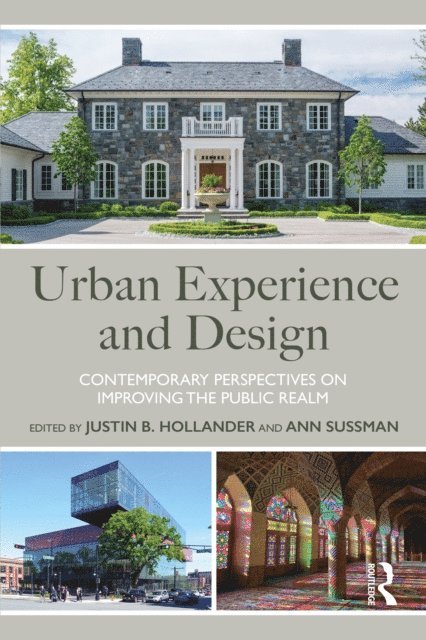
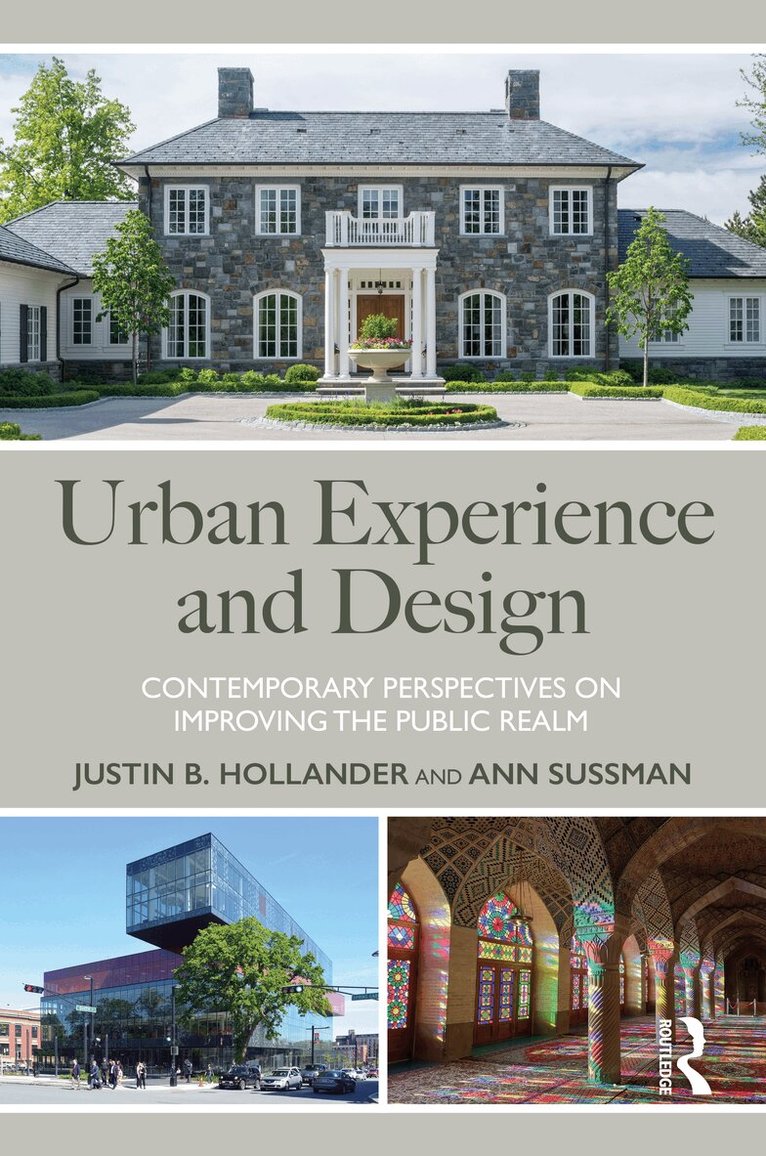
Embracing a biological and evolutionary perspective to explain the human experience of place, Urban Experience and Design explores how cognitive science and biometric tools provide an evidence-based foundation for architecture and planning. Aiming to promote the creation of a healthier and happier public realm, this book describes how unconscious responses to stimuli, outside our conscious awareness, direct our experience of the built environment and govern human behavior in our surroundings.
This collection contains 15 chapters, including contributions from researchers in the US, the UK, the Netherlands, France and Iran. Addressing topics such as the impact of eye-tracking analysis and seeing beauty and empathy within buildings, Urban Experience and Design encourages us to reframe our understanding of design, including the narrative of how modern architecture and planning came to be in the first place.
This volume invites students, academics and scholars to see how cognitive science and biometric findings give us remarkable 21st-century metrics for evaluating and improving designs, even before they are built.
749 kr
Läs direkt efter köp
Embracing a biological and evolutionary perspective to explain the human experience of place, Urban Experience and Design explores how cognitive science and biometric tools provide an evidence-based foundation for architecture and planning. Aiming to promote the creation of a healthier and happier public realm, this book describes how unconscious responses to stimuli, outside our conscious awareness, direct our experience of the built environment and govern human behavior in our surroundings.
This collection contains 15 chapters, including contributions from researchers in the US, the UK, the Netherlands, France and Iran. Addressing topics such as the impact of eye-tracking analysis and seeing beauty and empathy within buildings, Urban Experience and Design encourages us to reframe our understanding of design, including the narrative of how modern architecture and planning came to be in the first place.
This volume invites students, academics and scholars to see how cognitive science and biometric findings give us remarkable 21st-century metrics for evaluating and improving designs, even before they are built.
832 kr
Läs direkt efter köp
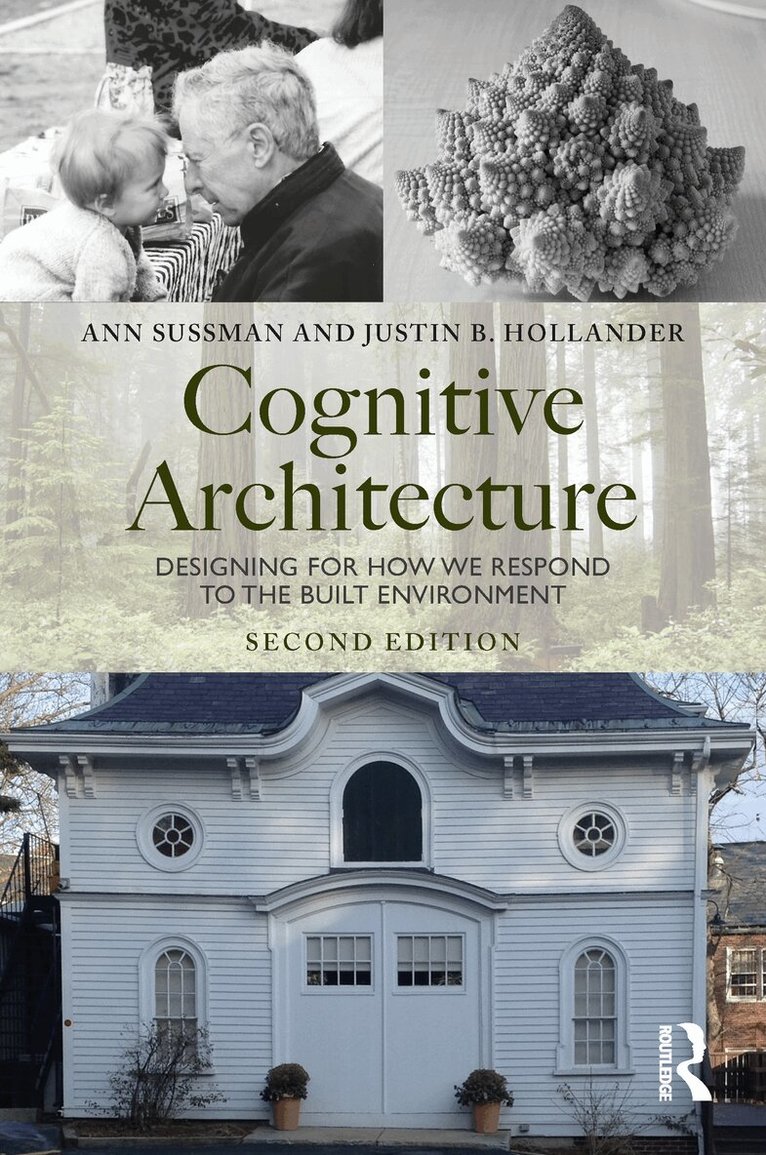
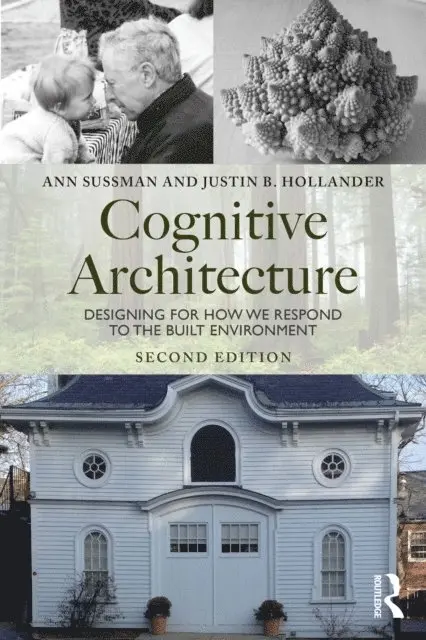
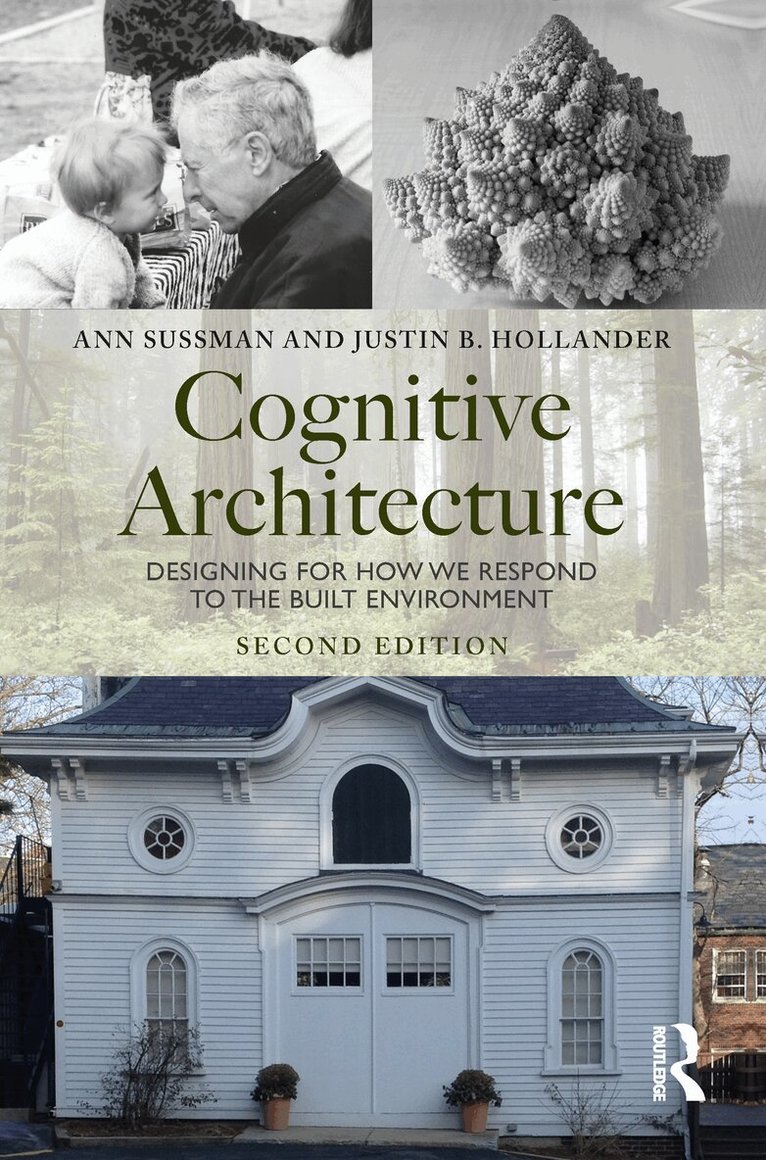
In this expanded second edition of Cognitive Architecture, the authors review new findings in psychology and neuroscience to help architects and planners better understand their clients as the sophisticated mammals they are, arriving in the world with built-in responses to the environment. Discussing key biometric tools to help designers ‘see’ subliminal human behaviors and suggesting new ways to analyze designs before they are built, this new edition brings readers up-to-date on scientific tools relevant for assessing architecture and the human experience of the built environment.
The new edition includes:
Over 100 full color photographs and drawings to illustrate key concepts.
A new chapter on using biometrics to understand the human experience of place.
A conclusion describing how the book’s propositions reframe the history of modern architecture.
A compelling read for students, professionals, and the general public, Cognitive Architecture takes an inside-out approach to design, arguing that the more we understand human behavior, the better we can design and plan for it.
838 kr
Läs direkt efter köp
In this expanded second edition of Cognitive Architecture, the authors review new findings in psychology and neuroscience to help architects and planners better understand their clients as the sophisticated mammals they are, arriving in the world with built-in responses to the environment. Discussing key biometric tools to help designers ‘see’ subliminal human behaviors and suggesting new ways to analyze designs before they are built, this new edition brings readers up-to-date on scientific tools relevant for assessing architecture and the human experience of the built environment.
The new edition includes:
Over 100 full color photographs and drawings to illustrate key concepts.
A new chapter on using biometrics to understand the human experience of place.
A conclusion describing how the book’s propositions reframe the history of modern architecture.
A compelling read for students, professionals, and the general public, Cognitive Architecture takes an inside-out approach to design, arguing that the more we understand human behavior, the better we can design and plan for it.
3 911 kr
Skickas inom 10-15 vardagar
874 kr
Läs direkt efter köp
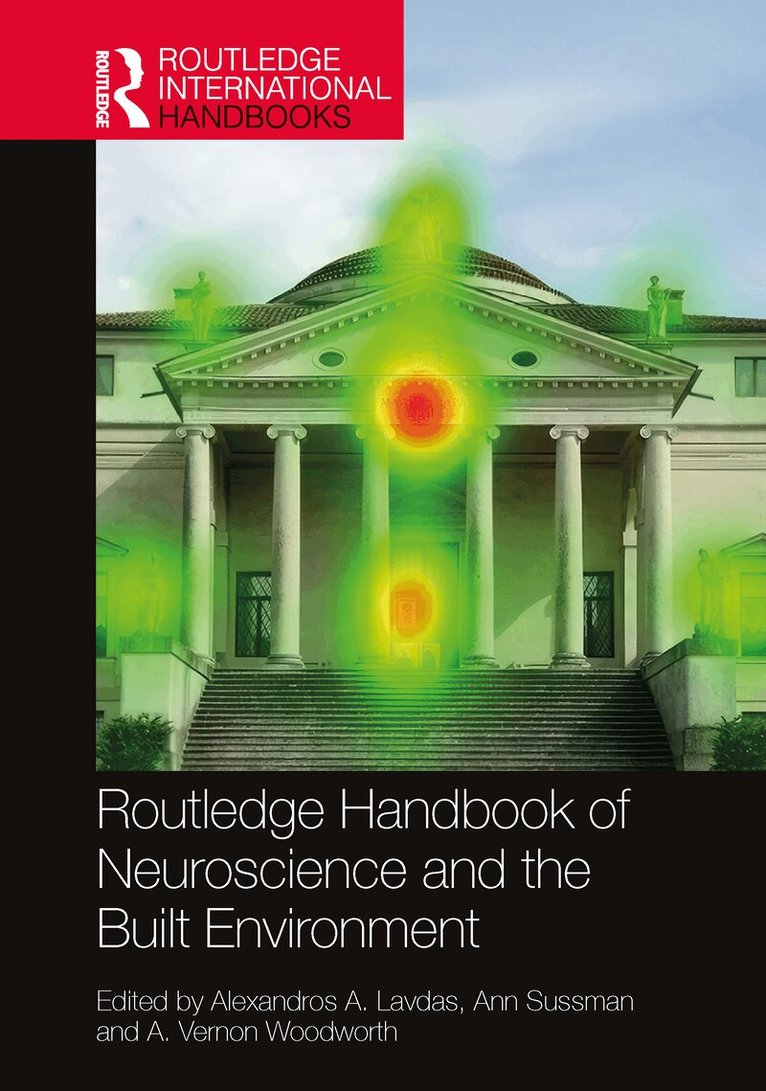
According to the OECD (Organization for Economic Cooperation and Development), in the
21st century, we are living in a New Age of Biology, acknowledging the rapid development
of transformative findings in the life sciences. The Routledge Handbook of Neuroscience and
the Built Environment shows how these new findings impact architecture, planning, and
design, changing our understanding how people respond to their surroundings, and how
these environments can be optimized for human well-being.
A total of 31 chapters, presented in six sections, discuss human perception, the need
for connection, and how design impacts health and well-being, through topics such as
neuroaesthetics, color, memory and place, proportion, sound, neurophenomenology,
neurodiversity, biophilia, beauty, artificial intelligence, among many others. Expert
international contributors look to answer key questions as follows: What do architects and
designers need to know about neuroscience? How does architecture and design impact us
non-consciously? Why is acknowledging the human subliminal experience important? What
tools can designers use to “see†our subliminal behaviors?
This volume will be important reading for the design community, whether practicing,
educating, or studying, as well as policy makers and public health professionals.