2 571 kr
Skickas inom 10-15 vardagar
2 571 kr
Skickas inom 10-15 vardagar
3 047 kr
Skickas inom 10-15 vardagar
792 kr
Skickas inom 10-15 vardagar
745 kr
Skickas inom 10-15 vardagar
234 kr
Skickas inom 7-10 vardagar
157 kr
Läs direkt efter köp
394 kr
Skickas inom 7-10 vardagar
164 kr
Skickas
418 kr
Läs direkt efter köp
696 kr
Läs direkt efter köp
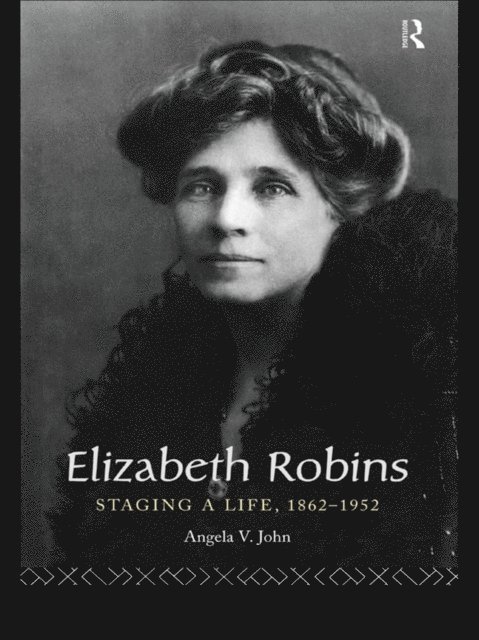
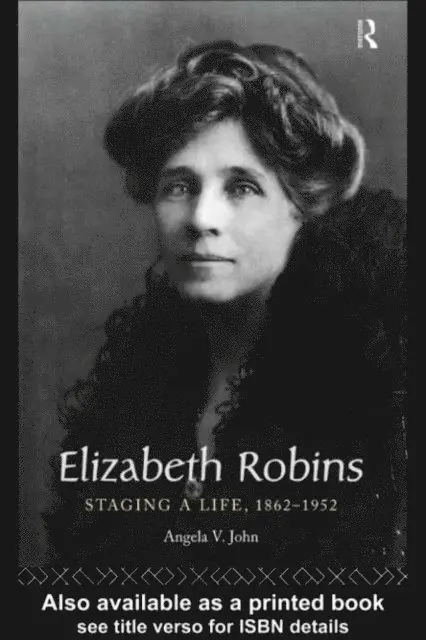
A woman of extraordinary energy, talent and versatility. Elizabeth Robins was an actress who popularised Ibsen on the British stage, a prolific and popular writer of novels and non-fiction, and an Edwardian suffragette. Her extensive circle of friends included Florence Bell, Henry James, John Masefield and William Archer. She worked with the Pankhursts and knew the Woolfs. Through examining the life and work of this vivid and transatlantic figure born during the American Civil War yet surviving into the England of the 1950s, Angela John raises questions about the shaping of historical identities. Situating Elizabeth Robins''s achievement in the context of the British and American cultural history of the period, this is a book which will attract historians, teachers and students of theatre studies and all those fascinated by biography.
921 kr
Läs direkt efter köp
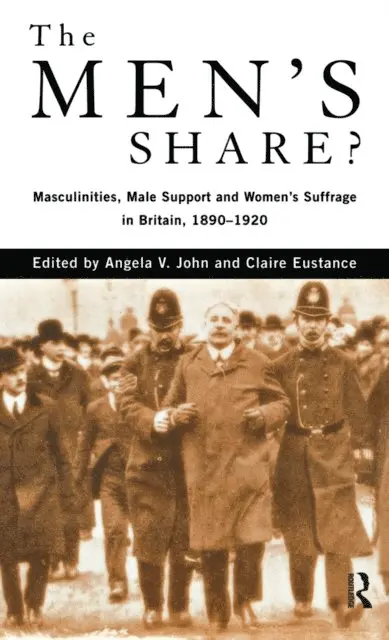
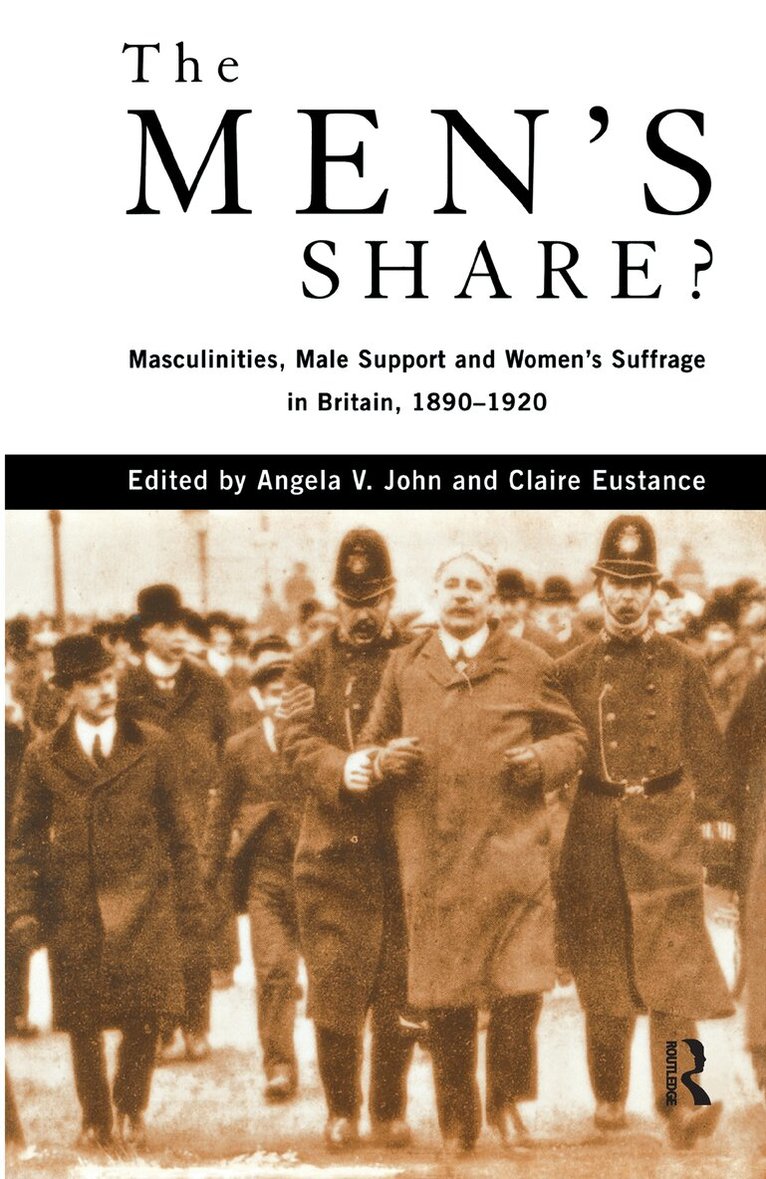
The opposition of men to women''s suffrage is well-known. However, men''s support for women''s suffrage is a neglected subject. In the late nineteenth and early twentieth century, over one thousand men were prepared to join societies and actively work for women''s suffrage, whilst many other men offered support. The Men''s Share?, edited by Angela John and Claire Eustance, examines who these men were, how they organized themselves and how they put pressure on the government.
927 kr
Läs direkt efter köp
The opposition of men to women''s suffrage is well-known. However, men''s support for women''s suffrage is a neglected subject. In the late nineteenth and early twentieth century, over one thousand men were prepared to join societies and actively work for women''s suffrage, whilst many other men offered support. The Men''s Share?, edited by Angela John and Claire Eustance, examines who these men were, how they organized themselves and how they put pressure on the government.
910 kr
Läs direkt efter köp
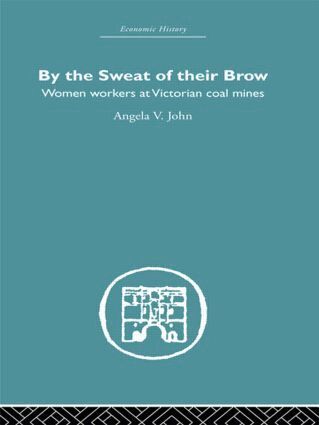
The pit brow lasses who sorted coal and performed a variety of jobs above ground at British coal mines prompted a violent debate about women’s work in the nineteenth century.
Seen as the prime example of degraded womanhood, the pit brow woman was regarded as an aberration in a masculine domain, cruelly torn from her ‘natural sphere’, the home. The, attempt to restrict women’s work at the mines in the 1880s highlights the dichotomy between the fashionable ideal of womanhood and the necessity and reality of female manual labour.
Although only a tiny percentage of the colliery labour force, the pit lasses aroused an interest out of all proportion to their numbers and their work became a test case for women’s outdoor manual employment. Angela John discusses the implications of this debate, showing how it encapsulates many of the ambivalences of late Victorian attitudes towards working-class female employment, and at the same time raises wider questions both about women’s work in industries seen as traditionally male enclaves, and about the ways in which women within the working community have been presented by historians.This book was first published in 1980.

910 kr
Läs direkt efter köp
The pit brow lasses who sorted coal and performed a variety of jobs above ground at British coal mines prompted a violent debate about women’s work in the nineteenth century.
Seen as the prime example of degraded womanhood, the pit brow woman was regarded as an aberration in a masculine domain, cruelly torn from her ‘natural sphere’, the home. The, attempt to restrict women’s work at the mines in the 1880s highlights the dichotomy between the fashionable ideal of womanhood and the necessity and reality of female manual labour.
Although only a tiny percentage of the colliery labour force, the pit lasses aroused an interest out of all proportion to their numbers and their work became a test case for women’s outdoor manual employment. Angela John discusses the implications of this debate, showing how it encapsulates many of the ambivalences of late Victorian attitudes towards working-class female employment, and at the same time raises wider questions both about women’s work in industries seen as traditionally male enclaves, and about the ways in which women within the working community have been presented by historians.This book was first published in 1980.
386 kr
Skickas inom 10-15 vardagar
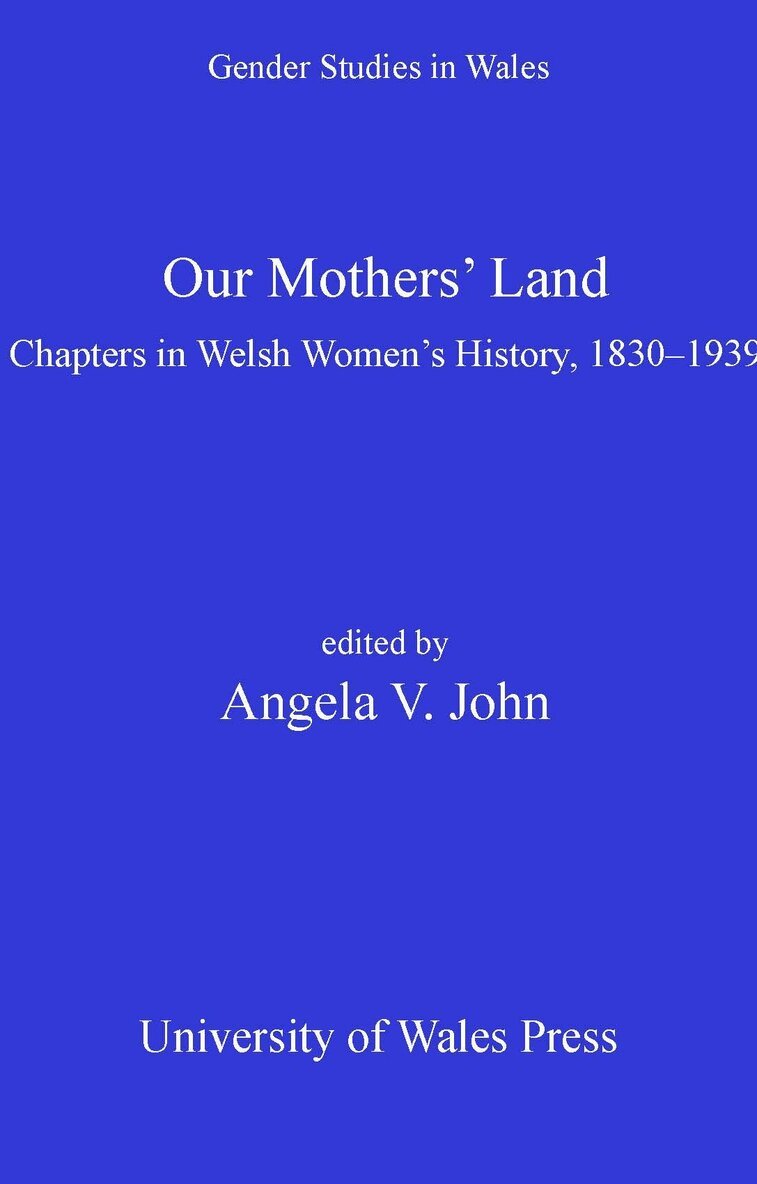
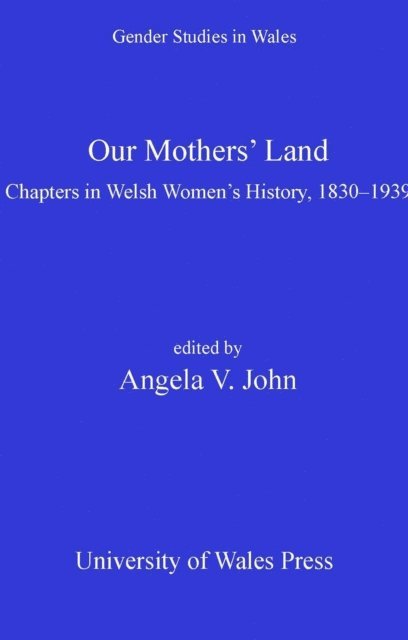
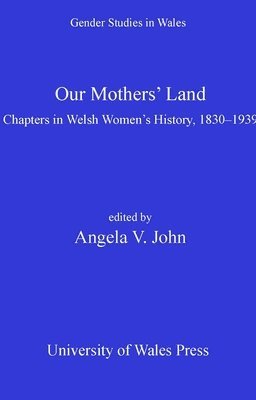
Chapters in Welsh Women's History, 1830-1939
157 kr
Läs direkt efter köp
927 kr
Skickas inom 10-15 vardagar
225 kr
Skickas
116 kr
Skickas
131 kr
Skickas inom 7-10 vardagar
279 kr
Skickas
231 kr
Skickas
141 kr
Tillfälligt slut
1 184 kr
Tillfälligt slut
171 kr
Tillfälligt slut