176 kr
Skickas inom 5-8 vardagar
176 kr
Skickas inom 5-8 vardagar
791 kr
Skickas inom 10-15 vardagar
754 kr
Skickas inom 7-10 vardagar
838 kr
Skickas inom 7-10 vardagar
1 598 kr
Skickas inom 7-10 vardagar
1 915 kr
Skickas inom 7-10 vardagar
1 264 kr
Skickas inom 10-15 vardagar
1 227 kr
Skickas inom 7-10 vardagar
371 kr
Skickas inom 7-10 vardagar
1 192 kr
Skickas inom 7-10 vardagar
386 kr
Skickas inom 7-10 vardagar
392 kr
Skickas inom 7-10 vardagar
3 146 kr
Skickas inom 7-10 vardagar
2 497 kr
Skickas inom 10-15 vardagar
2 489 kr
Skickas inom 10-15 vardagar
2 723 kr
Skickas inom 10-15 vardagar
2 913 kr
Läs direkt efter köp
2 104 kr
Läs direkt efter köp
2 136 kr
Läs direkt efter köp
2 087 kr
Läs direkt efter köp
695 kr
Skickas
949 kr
Skickas inom 11-20 vardagar
642 kr
Skickas inom 10-15 vardagar
2 515 kr
Skickas inom 10-15 vardagar
642 kr
Skickas inom 10-15 vardagar
2 515 kr
Skickas inom 10-15 vardagar
634 kr
Skickas inom 10-15 vardagar
746 kr
Läs direkt efter köp
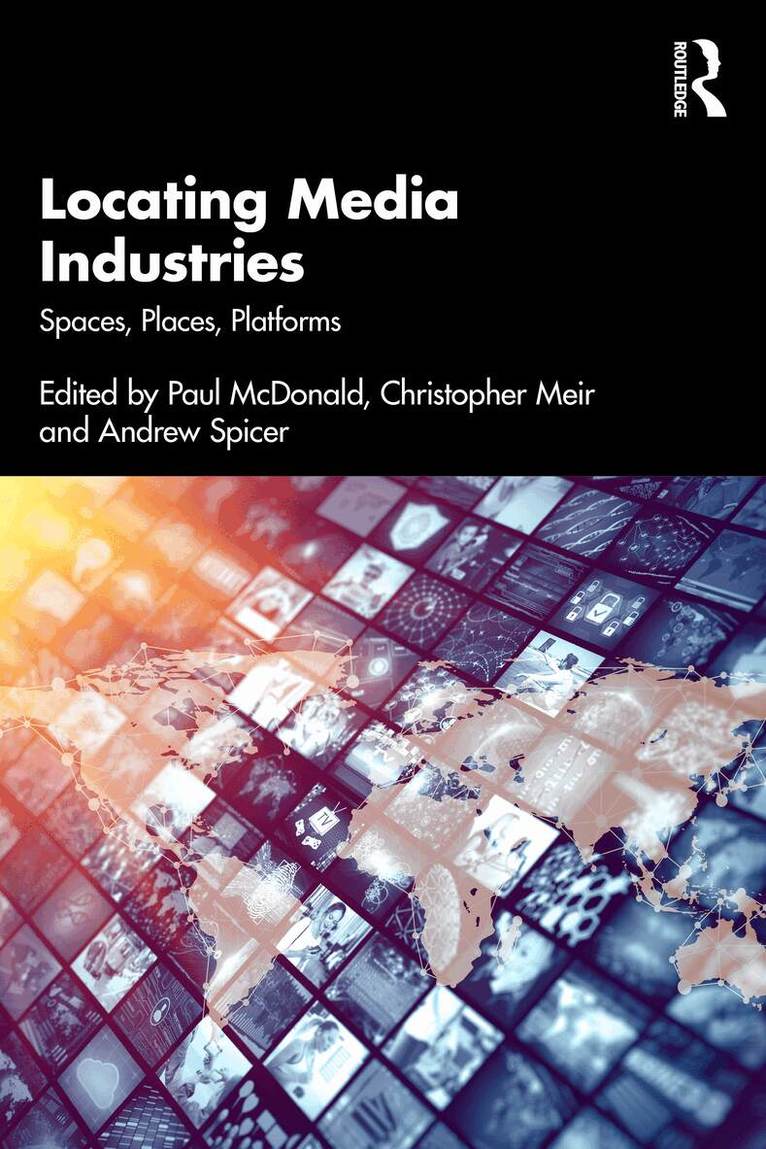
Examining how media industries actively shape, and are shaped by, attachments to place and movements across geographical spaces, Locating Media Industries illuminates the many spatial dimensions of ‘globalised’ media.
In an era where music, video and games can be streamed instantly around the world on numerous digital devices, and films and television series are produced across numerous countries, often featuring globetrotting characters in an array of exotic settings, it is easy to forget that media industries retain any attachments to space or place. While globalised production, distribution and consumption systems structure contemporary media industries, this collection seeks to document and analyse the many ways in which questions of space and place still matter to those industries.
Written by leading scholars in the field, this international collection explores how media industries both occupy and generate spaces and places. Here, spatial dynamics are represented by the formation of global production networks, the impacts of virtual production technologies, media engagements with local communities, questions of accessible participation in film festivals, and the franchising of space at media-themed leisure attractions. Several of the book’s chapters reflect the increasing dominance of streaming media, which also have complex relationships to place and space, even as they actively seek to obscure and even erase these aspects of the media they distribute and, in some cases, produce.
This volume is essential reading for students and scholars of film, media and/or creative industries.

762 kr
Läs direkt efter köp
746 kr
Läs direkt efter köp
Examining how media industries actively shape, and are shaped by, attachments to place and movements across geographical spaces, Locating Media Industries illuminates the many spatial dimensions of ‘globalised’ media.
In an era where music, video and games can be streamed instantly around the world on numerous digital devices, and films and television series are produced across numerous countries, often featuring globetrotting characters in an array of exotic settings, it is easy to forget that media industries retain any attachments to space or place. While globalised production, distribution and consumption systems structure contemporary media industries, this collection seeks to document and analyse the many ways in which questions of space and place still matter to those industries.
Written by leading scholars in the field, this international collection explores how media industries both occupy and generate spaces and places. Here, spatial dynamics are represented by the formation of global production networks, the impacts of virtual production technologies, media engagements with local communities, questions of accessible participation in film festivals, and the franchising of space at media-themed leisure attractions. Several of the book’s chapters reflect the increasing dominance of streaming media, which also have complex relationships to place and space, even as they actively seek to obscure and even erase these aspects of the media they distribute and, in some cases, produce.
This volume is essential reading for students and scholars of film, media and/or creative industries.