The first phase of excavation at Great Western Park sheds new light on settlement and landscape development from the early Mesolithic to the Anglo-Saxon period in the south Oxfordshire Thames Valley.
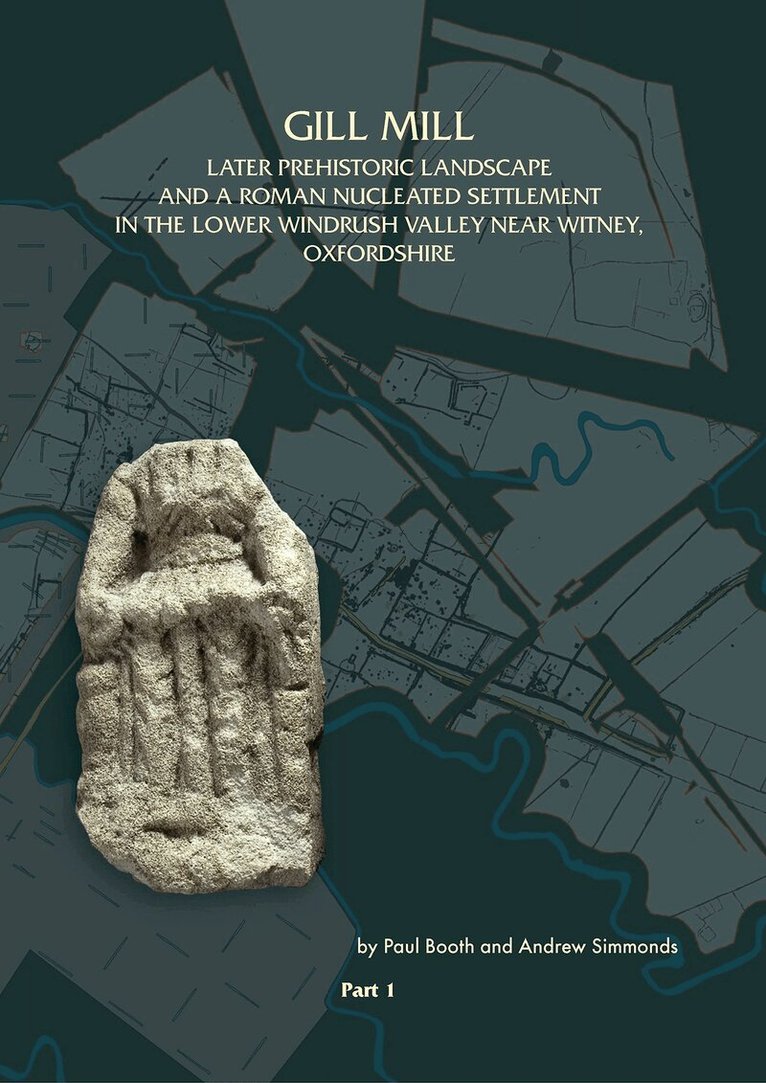
The earliest significant discovery was an early Mesolithic flint scatter associated with an incised stone plaque. Subsequent periods were represented only by sporadic features, including a few early Neolithic pits, one of which contained a complete, inverted bowl. An early Bronze Age stone-paved hollow, comparable to a pond barrow, lay within a landscape which provides sparse evidence for occupation in the late Neolithic and early Bronze Age. A dispersed group of three late Bronze Age roundhouses, set within a field system, provides the first clearer evidence for later occupation.
The most significant discovery was an extensive early and middle Iron Age settlement, represented by a band of around a thousand pits, spread over 400m along a ditched boundary, dating from c 440-50 cal BC. Loose clusters of roundhouses, four-post structures and other features were built in locations which shifted around the pit scatter over time.
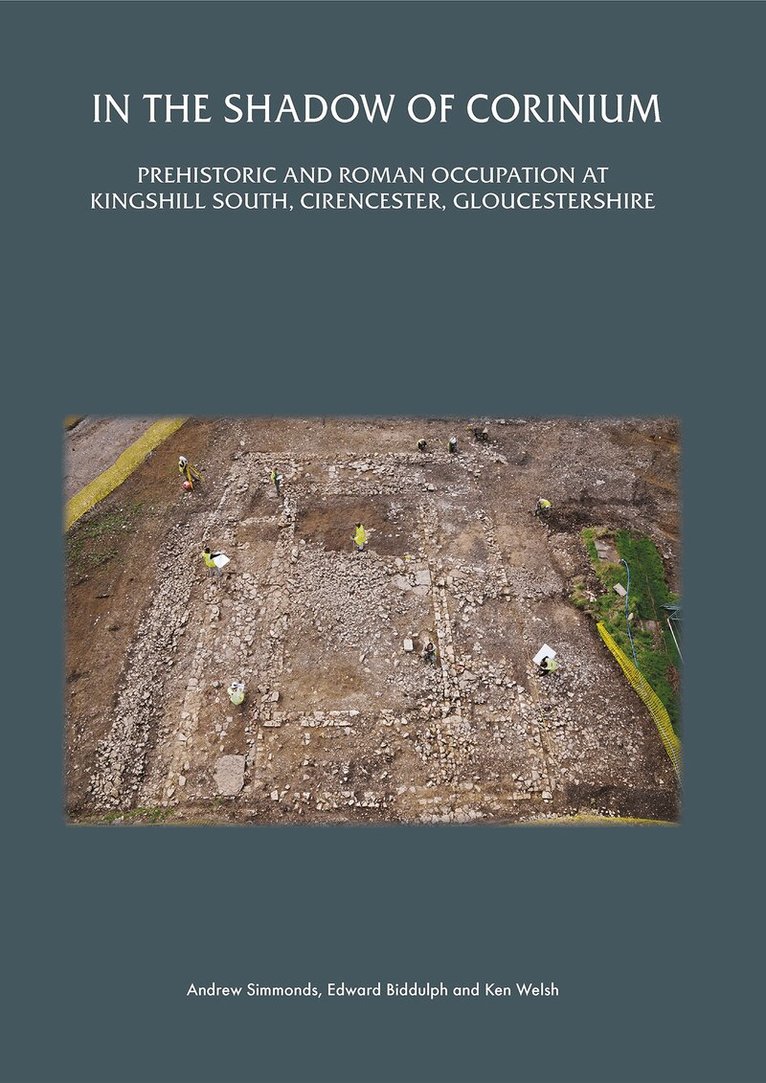
After a decline in activity in the late Iron Age, a series of trackways and enclosures, associated with corn drying ovens, wells and a few burials, was laid out in the Roman period. In the late Roman period a villa, only very partially exposed in the excavations, was constructed on the site.
A single sunken-featured building indicates occupation in the Anglo-Saxon period, after which the site became part of the open fields of Didcot and Harwell.