1 926 kr
1 926 kr
1 265 kr
Läs direkt efter köp
1 256 kr
Läs direkt efter köp
1 737 kr
Läs direkt efter köp
1 737 kr
Läs direkt efter köp
2 501 kr
Skickas inom 7-10 vardagar
816 kr
Skickas inom 10-15 vardagar
3 103 kr
Skickas inom 11-20 vardagar
1 845 kr
Skickas inom 3-6 vardagar
1 599 kr
Skickas inom 10-15 vardagar
389 kr
Skickas inom 10-15 vardagar
1 206 kr
Läs direkt efter köp
1 139 kr
Skickas inom 10-15 vardagar
443 kr
Skickas inom 7-10 vardagar
655 kr
Läs direkt efter köp
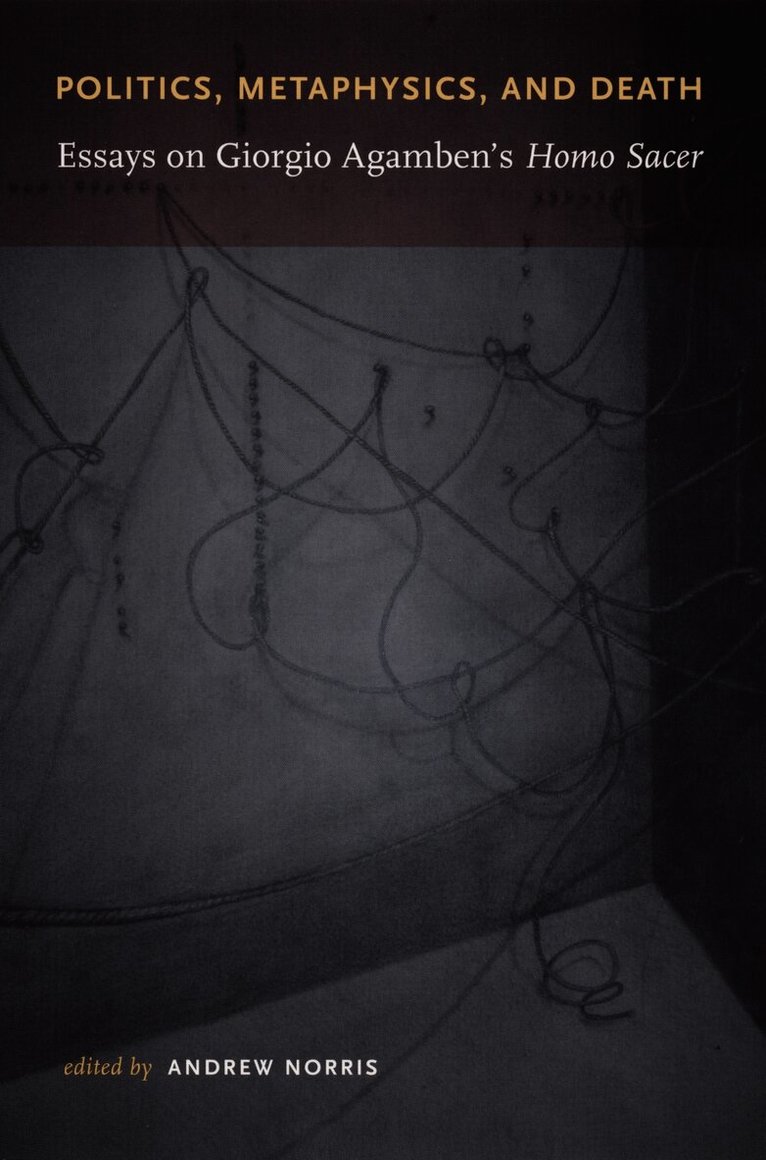
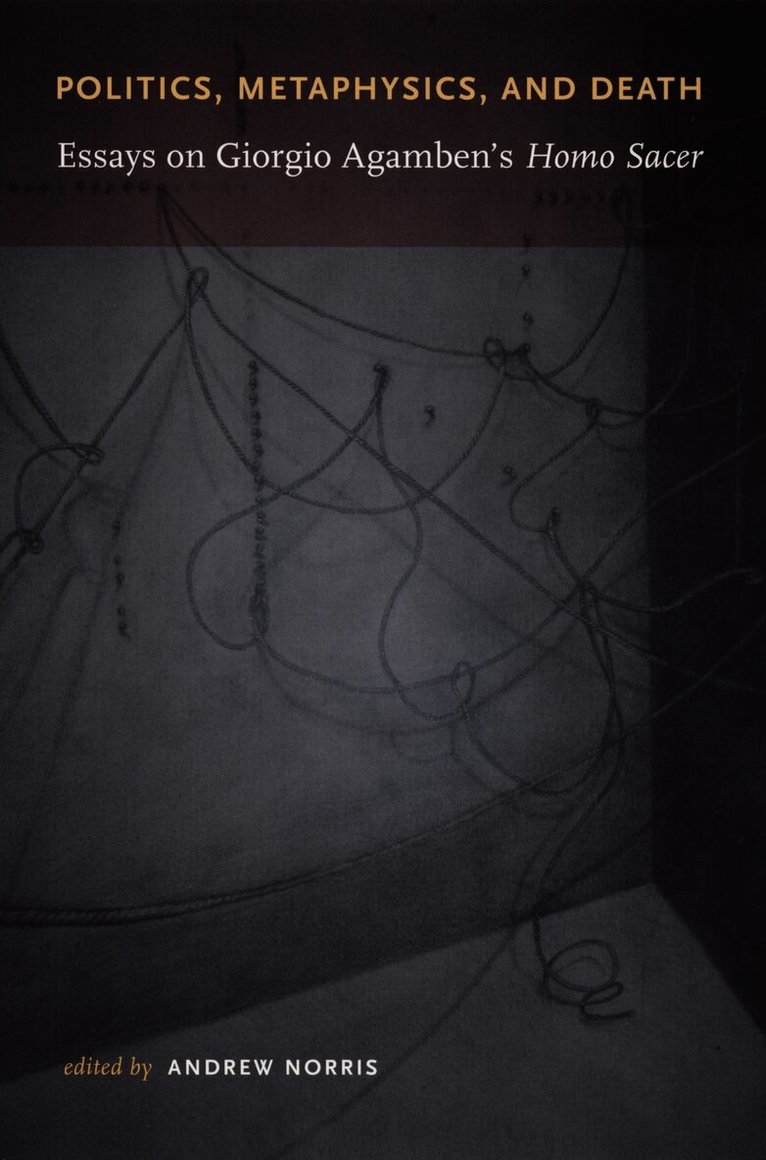
The contributors analyze Agamben’s thought from the perspectives of political theory, philosophy, jurisprudence, and the history of law. They consider his work not only in relation to that of his major interlocutors—Hannah Arendt, Michel Foucault, Carl Schmitt, Walter Benjamin, and Martin Heidegger—but also in relation to the thought of Plato, Pindar, Heraclitus, Descartes, Kafka, Bataille, and Derrida. The essayists’ approaches are varied, as are their ultimate evaluations of the cogency and accuracy of Agamben’s arguments. This volume also includes an original essay by Agamben in which he considers the relation of Benjamin’s “Critique of Violence” to Schmitt’s Political Theology. Politics, Metaphysics, and Death is a necessary, multifaceted exposition and evaluation of the thought of one of today’s most important political theorists.
Contributors: Giorgio Agamben, Andrew Benjamin, Peter Fitzpatrick, Anselm Haverkamp, Paul Hegarty, Andreas Kalyvas, Rainer Maria Kiesow , Catherine Mills, Andrew Norris, Adam Thurschwell, Erik Vogt, Thomas Carl Wall
2 863 kr
Skickas inom 10-15 vardagar
956 kr
Läs direkt efter köp
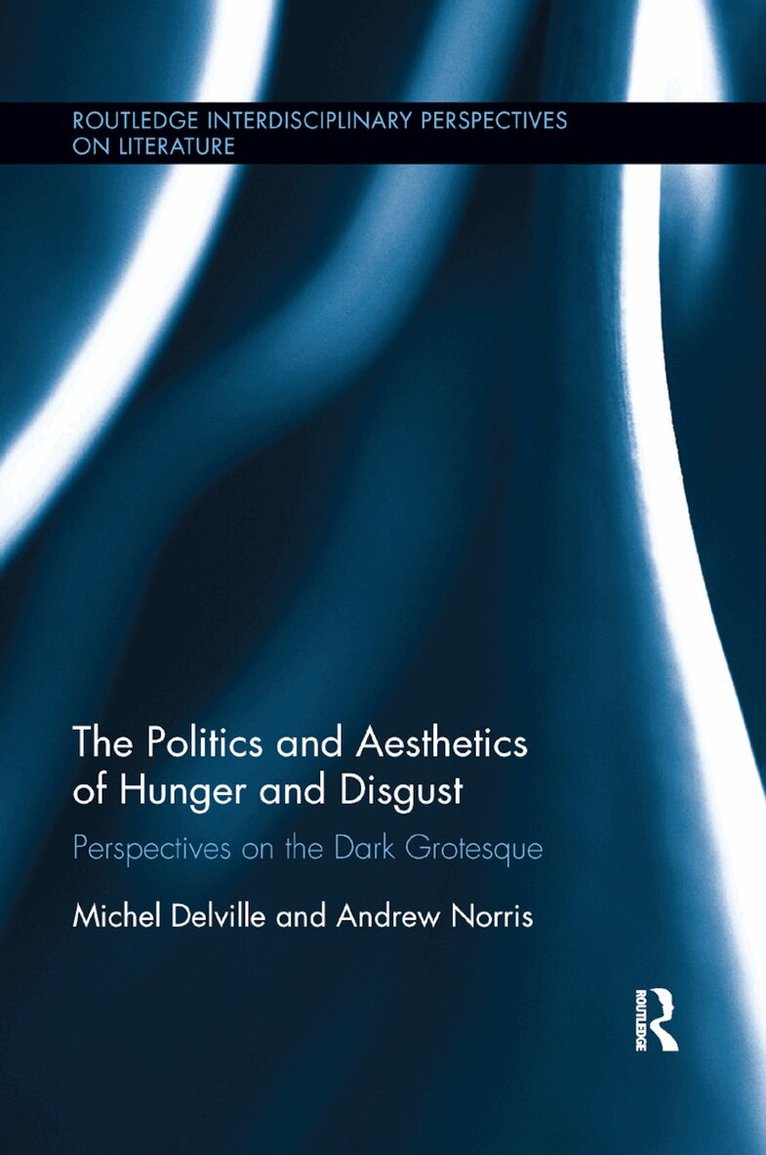
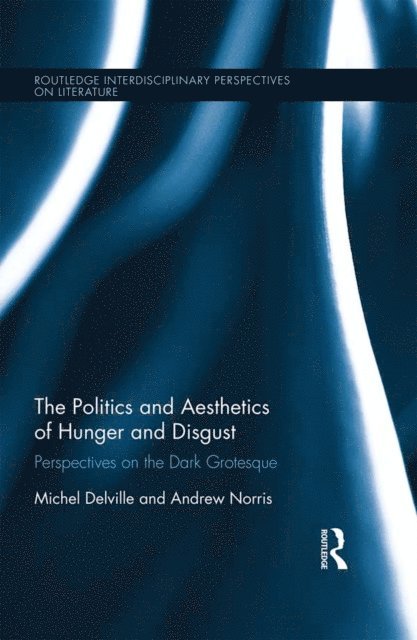
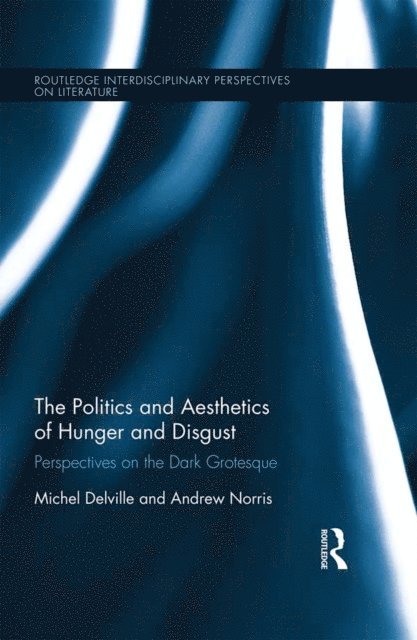
This study examines how hunger narratives and performances contribute to a reconsideration of neglected or prohibited domains of thinking which only a full confrontation with the body’s heterogeneity and plasticity can reveal. From literary motif or psychosomatic symptom to revolutionary gesture or existential malady, the double crux of hunger and disgust is a powerful force which can define the experience of embodiment. Kafka’s fable of the "Hunger Artist" offers a matrix for the fast, while its surprising last-page revelation introduces disgust as a correlative of abstinence, conscious or otherwise. Grounded in Kristeva’s theory of abjection, the figure of the fraught body lurking at the heart of the negative grotesque gathers precision throughout this study, where it is employed in a widening series of contexts: suicide through overeating, starvation as self-performance or political resistance, the teratological versus the totalitarian, the anorexic harboring of death. In the process, writers and artists as diverse as Herman Melville, Percy Bysshe Shelley, Christina Rossetti, George Orwell, Knut Hamsun, J.M. Coetzee, Cindy Sherman, Pieter Breughel, Marina Abramovic, David Nebreda, Paul McCarthy, and others are brought into the discussion. By looking at the different acts of visceral, affective, and ideological resistance performed by the starving body, this book intensifies the relationship between hunger and disgust studies while offering insight into the modalities of the "dark grotesque" which inform the aesthetics and politics of hunger. It will be of value to anyone interested in the culture, politics, and subjectivity of embodiment, and scholars working within the fields of disgust studies, food studies, literary studies, cultural theory, and media studies.
271 kr
Skickas inom 7-10 vardagar
237 kr
Skickas inom 7-10 vardagar
1 530 kr
Tillfälligt slut